
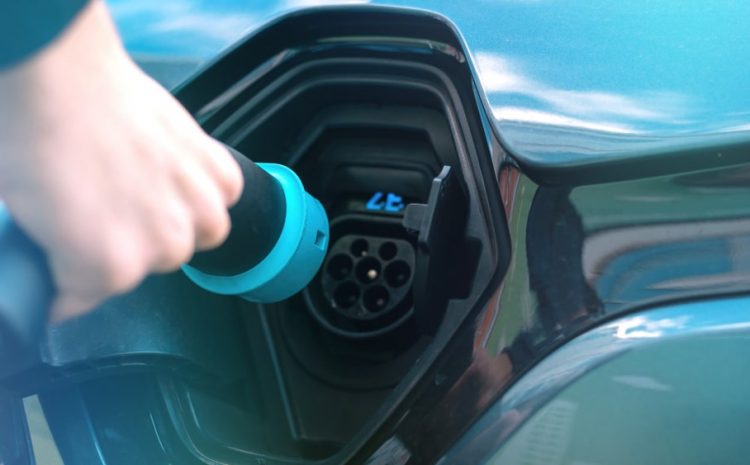
EV Range Testing and Improvement Guide | Daily Driving Energy Saving and Extending Mileage
As electric vehicles become increasingly popular in Hong Kong and global markets, “range” has become one of the core issues of greatest concern to owners and potential buyers. Whether for commuting, weekend getaways or long-distance driving, range performance directly affects the driving experience and economic efficiency. This article takes a professional perspective to analyse in depth the testing methods, influencing factors and improvementtechniques, combined with a practical guide to energy saving in everyday driving, helping you master every kilometre with ease and achieve optimal motoring economy. Whether you are new to new-energy vehicles or an experienced owner, you will find practical knowledge and key advice here to improve range.
EV Range Fundamentals
As electric vehicles gradually become a mainstream form of transport, “range” has become one of the main focuses for consumers when choosing and using a car day to day. Understanding what range is, the differences between mainstream international test standards, and the real-world factors that affect range can help you choose the model that best suits your needs and better anticipate and manage everyday driving performance. This sectionwill give you a solid foundation in electric vehicle range knowledge.
What is range? Comparing WLTP, NEDC and EPA standards
“Range” refers to the maximum theoretical distance an electric vehicle can travel on a single full charge (usually measured in kilometres or miles). To give consumers an objective reference, different countries and regions have developed their own test standards. The common ones are NEDC, WLTP and EPA:
| Test standard | Description | Characteristics | Range figure tendency |
|---|---|---|---|
| NEDC | Old European standard, being phased out | Low test speeds and simple driving conditions | On the high side; not a realistic reflection |
| WLTP | Current mainstream European standard | Test cycles are closer to everyday driving | Closer to actual |
| EPA | US standard | Rigorous testing covering multiple road conditions | Closest to real-world |
The range figures for the same model can vary greatly under different standards. For example, a Tesla Model 3 can reach an NEDC figure of600 km, with WLTP around560 km, while EPA is around500 km. Therefore, when choosing a vehicle, it is advisable to use the WLTP or EPA standard as a reference, as these standards are closer to everyday driving conditions in Hong Kong and internationally.
To learn more about the details of the different standards, please refer toOfficial EU WLTP guidance,Introduction to US EPA testing.
Main factors affecting EV range
Even if official range figures are the same, actual driving distance can vary significantly due to a range of real-world factors:
- Battery capacity (kWh): the larger the capacity, the longer the theoretical range.
- Vehicle weight and aerodynamic design: the lighter the vehicle and the lower the drag, the more energy-efficient it is.
- Tyre resistance and tyre pressure condition: insufficient tyre pressure increases resistance, affecting range.
- Driving speed and driving habits: rapid acceleration and frequent hard braking both consume more power.
- Use of air conditioning, heating and other electrical appliances: using air conditioning/heating in hot or cold weather significantly increases energy consumption.
- Differences in road conditions: range performance differs greatly between urban roads, mountain roads and motorways.
- Outside temperature and weather: high temperatures, low temperatures or humid weather all affect battery performance.
- Vehicle load and number of passengers: the greater the load, the shorter the range.
- Battery health (SOH) and vehicle age: battery ageing causes range to drop.
| Main factor | Impact on range |
|---|---|
| Battery capacity | Directly proportional; larger capacity means longer range |
| Tyre resistance/tyre pressure | Higher resistance reduces range |
| Air conditioning/heating use | Increased energy consumption lowers range |
| Outside temperature | Extreme temperatures reduce range |
| Vehicle load | Heavier loads reduce range |
Tip: checking tyre pressure regularly, reducing unnecessary load and maintaining good driving habits can all genuinely improve your EV’s real-world range.
To learn more about how to maintain battery health, please refer to our related internal content:Complete guide to how EV battery health affects range | How to check and maintain SOH.
Differences between official range figures and real-world driving
Many owners driving an EV for the first time often find that the actual distance they can travel is far from the official figure. This is because official figures are mostly based on standardised laboratory tests, while real-world driving conditions are full of variables.
- Actual range is commonly lower than official figures10-30%, especially noticeable at high speeds, in cold or high-temperature environments.
- In urban conditions, actual range is often better due to frequent deceleration and energy recuperation; on highway sections, range drops noticeably because of prolonged high speeds and greater aerodynamic drag.
- On mountain roads/slopes, uphill driving drains the battery quickly, while downhill driving recovers energy, but overall range fluctuates greatly.
| Road conditions | Official range (km) | Measured range (km) | Difference ratio |
|---|---|---|---|
| Urban | 400 | 380 | -5% |
| Highway | 400 | 320 | -20% |
| Mountain roads | 400 | 340 | -15% |
How can you estimate your real-world range?
- Refer to your past driving experience and routes.
- Regularly monitor the real-time remaining range on the vehicle dashboard and in the app.
- If you often encounter traffic congestion or adverse weather, it is advisable to reserve more battery charge as a safety buffer.
For more real-world experience, refer toEV Database’s real-world dataorthe Hong Kong Environmental Protection Department’s electric vehicle information.
Want more practical ways to improve your EV’s range? Continue reading the next chapter, orjoin our EV community, and share your energy-saving tips with other owners!
Further reading
- How EV Battery Health Affects Range: A Complete Guide | How to Check and Maintain SOH
- A Guide to the Range Differences Between EV Fast and Slow Charging and Energy-Saving Strategies
Friendly reminder: Regularly keep up with the latest range data and testing methods published by official and professional bodies; this will help you manage your driving habits more scientifically and get more value from every kilometre.
Real-World Range Testing Methods and Data Interpretation
To truly understand your EV’s range, official data alone is far from enough. Different models, driving habits, weather and road conditions all affect real-world performance. This section breaks down the standardised real-world range testing process in detail, compares real data across various road conditions, and teaches you how to interpret the data correctly, avoiding common misconceptions so you can drive with confidence every day.
Standardised Real-World Range Testing Process
To obtain scientifically sound and useful range data, it is recommended to follow the standardised process below:
| Steps | Key description |
|---|---|
| 1. Draw up a test plan | Select the test vehicle model, set the route, and record the weather and driving mode (such as ECO/Normal/Sport) |
| 2. Charging preparation | Charge the battery fully to 100%, and record the starting mileage and battery level |
| 3. Standardise test conditions | Keep the driver, payload and air-conditioning settings constant to ensure data comparability |
| 4. Route design | Cover typical road types including urban roads, highways and mountain roads |
| 5. Real-world driving | Complete the different sections as planned and record the energy consumption and mileage for each section |
| 6. Test completion | At the end of the test, record the remaining battery level and calculate the total achievable range |
| 7. Repeat testing | Conduct multiple tests and take the average to improve accuracy |
| 8. Data collection | Use professional instruments or an in-car app as an aid to ensure the data is complete |
Further reading: Want to learn more about professional testing tools and data analysis methods?EV Database testing principlesProvides a reference for mainstream international approaches.
Comparison of real-world results across different road conditions (urban, highway, mountain roads)
Range performance varies greatly under different road conditions. Using the same model as an example, real-world results for urban, highway and mountain roads usually differ significantly:
| Road condition | Power consumption per hundred kilometres (kWh/100km) | Real-world range (km) | Feature Description |
|---|---|---|---|
| Urban | 13 | 380 | Frequent stopping and starting; regenerative braking is highly effective |
| High speed | 18 | 320 | Sustained high speeds and greater aerodynamic drag mean higher energy consumption |
| Mountain roads | 16 | 340 | Uphill driving uses energy, while downhill regeneration recovers some, but consumption fluctuates widely |
Urban routes: frequent deceleration and energy regeneration generally deliver the best range.
Motorway routes: at high speeds, aerodynamic drag is pronounced and range falls fastest.
Mountain roads / inclines: uphill sections consume a great deal of energy, downhill sections recover some of it, but overall consumption fluctuates widely.
Quick tip: Real-world tests show that urban and motorway range can differ by more than 20%. Driving habits, load and weather also affect performance, so it is worth monitoring and recording your own vehicle data regularly.
Internal recommendation: For an in-depth comparison of battery performance in different environments, seeHow EV Battery Health Affects Range: A Full Breakdown.
How to Interpret Real-World Test Results and Common Misconceptions
Interpreting test data correctly is the only way to truly understand your EV’s range performance:
- Key metric: average energy consumption per 100 kilometres (kWh/100km): this is an important reference for assessing energy efficiency and estimating range. Compare it with official figures and note the test conditions (such as weather, load and driving mode).
- Multiple tests / multiple environments: different drivers, routes and weather all lead to different results. Carry out several real-world tests and take the average as your guide.
- Common misconceptions:
- Relying only on the displayed remaining range and ignoring actual energy use and environmental differences.
- Overlooking the effect of short-term factors such as tyre pressure and extreme weather on range.
- Overlooking practical energy draws such as payload and in-car electronics.
External recommendation:What Car? UK real-world EV test dataprovides real-world range comparisons across a range of models.
Key takeaways
- A standardised real-world testing process helps produce more reliable range data.
- Across different road conditions, range can vary by more than 20%.
- Testing repeatedly and interpreting energy consumption per 100 kilometres correctly will help you set range expectations that fit your own needs more closely, boosting your confidence and cost-effectiveness in everyday driving.
Want to learn more professional tips for improving range? ReadEveryday Driving Energy-Saving Guideandpractical battery maintenance advice, making every kilometre more efficient!
A friendly reminder: EV range performance is closely linked to your driving habits. We recommend regularly recording and analysing your own vehicle data, and sharing tips with other owners to improve the driving experience together.
Practical ways to improve EV range
As electric vehicles become an important choice for city dwellers’ daily travel, how to effectively increase the actual driving distance per charge with an existing model has become a topic of great concern for many owners. In fact, whether you are a novice or an experienced user, as long as you master the correct charging methods, manage the battery scientifically, and combine this with good driving and maintenance habits, you can significantly improvethe range performance of electric vehicles. Below, we comprehensively break down the most practical energy-saving and range-enhancing tips to help you unlock more possibilities.
Scientific charging and battery management tips
The battery is the ‘heart’ of an electric vehicle. Correct charging and management strategies not only extend battery life but also directly affect range performance. Here are our professional recommendations:
- Keep the charge level between 20%and 80%: Leaving the battery at very high or very low charge for long periods accelerates ageing. For daily charging, keep it between 20%and 80%; only for long journeys charge to100%.
- Prioritise original or compliant equipment: Manufacturer-approved chargers ensure charging safety and efficiency, reducing the risk of battery wear.
- Regularly perform full charge and full discharge calibration: Performing a full charge and full discharge once every one to two months helps improve the accuracy of charge calculations and prevents range display deviations.
- Appropriately alternate fast and slow charging: Frequent fast charging increases battery heat and ageing. For daily use, rely mainly on slow charging; use fast charging for emergencies or long journeys.
- Ambient temperature management: High temperatures or extreme cold affect battery performance. In summer, avoid direct sunlight; in winter, use the preheating function.
- Software and health checks: Update your vehicle software regularly to obtain the best optimisation for the battery management system, and follow the manufacturer’s recommendations for professional health checks.
| Daily charging recommendations | Reasons and benefits |
|---|---|
| 20%-80% charging | Slows ageing and extends lifespan |
| Moderate fast charging | Convenient for emergencies and reduces heat loss |
| Regular full charge and discharge | More accurate charge level calculation |
Further reading: Want to learn more about battery life and management? You can refer toHow to Prolong Lithium-based Batteries (Battery University)andHow EV Battery Health Affects Range: Full Guide | How to Check and Maintain SOH.
Everyday Driving Energy-Saving Tips
Good driving habits are key to improving range. By paying close attention to everyday driving details, you can effectively reduce unnecessary energy loss.
- Drive smoothly and avoid sudden acceleration and hard braking: Smooth starts and deceleration are not only safer but also reduce energy consumption.
- Make good use of regenerative braking mode (Regen): Use downhill or deceleration to automatically recharge some energy, improving overall efficiency.
- Reduce weight and aerodynamic drag: Remove unnecessary roof racks and clutter to reduce weight and lower drag.
- Use air conditioning and heating sensibly: High-consumption features such as air conditioning and seat heating should be used as needed, avoiding leaving them on full blast for long periods.
- Maintain correct tyre pressure: Under-inflated tyres increase friction and consume more electricity; check monthly.
- Plan your route in advance: Avoid long traffic jams or frequent uphill sections, and use navigation to predict traffic.
- Activate ECO/energy-saving driving mode: Most models have a built-in energy-saving mode that automatically adjusts power output and air conditioning performance, ideal for daily commuting.
| Energy-Saving Action | Range Improvement Effect |
|---|---|
| Smooth driving | Noticeably reduces energy consumption |
| Regenerative braking | Improves recharging efficiency |
| Correct tyre pressure | Reduces rolling resistance |
| Sensible air conditioning use | Reduces additional power consumption |
External recommendation:Energy Saving Tips for Electric Vehicles (U.S. Department of Energy)
Internal link:A Clear Guide to the Range Differences Between EV Fast and Slow Charging and Energy-Saving Strategies
The Long-Term Impact of Vehicle Maintenance on Range
Regular maintenance not only extends your vehicle’s lifespan but also directly affects future range performance. Consistent upkeep keeps your electric vehicle in optimal condition.
- Regularly inspect and maintain the battery: A decline in battery health (SOH) will noticeably shorten range; it is recommended to have it checked and recorded regularly at an authorised service centre.
- Maintain the power and drivetrain systems: Key components such as the electric motor and reduction gear should be inspected and maintained on schedule to preserve energy efficiency.
- Replace and maintain tyres regularly: Tread wear or ageing increases driving resistance, affecting energy consumption.
- Chassis and brake system maintenance: Keep the chassis clean and the brakes responsive to reduce unnecessary energy loss.
- Upgrade the in-car software: Software upgrades provide access to the manufacturer’s latest energy-efficiency optimisation, improving battery management and range performance.
- Keep the bodywork clean: Reduce external drag so the body design can deliver its best aerodynamic benefit.
| Maintenance item | Range impact |
|---|---|
| Battery health maintenance | Extend range lifespan |
| Tyre maintenance | Reduce rolling resistance |
| Software updates | Improve energy efficiency and power |
Further reading:How to Maintain Your EV for Maximum Range
Internal link:Hong Kong EV Charging Station Map and Best Charging Habits Guide
Expert tips: 5 must-learn energy-saving techniques
- Avoid overcharging or over-discharging when charging to protect battery health
- Make the most of energy recuperation while driving to improve energy efficiency
- Check tyre pressure regularly to maintain optimal resistance
- Adjust air-conditioning use according to the season to save power wisely
- Anticipate traffic conditions to reduce unnecessary stopping and starting
Want to keep up with the latest EV energy-saving information? Subscribe to our EV feature now, or jointhe EV Owners Community, and share your energy-saving insights with more owners and discover new driving wisdom together!
To learn more about the factors affecting EV range and battery care details, please visit the related further reading on our website.
Energy-Saving Driving FAQs and Advanced Strategies
Whether you are a novice who has just got an EV or an experienced veteran owner, you will always encounter various questions and challenges about saving energy and managing range in everyday driving. This section will analyse common driving misconceptions, range adjustment strategies in extreme weather, and compare the differences between novice and veteran owners in energy-saving techniques to help you improve your vehicle-useefficiency and driving confidence. There is also an FAQ section that focuses on answering owners’ most common range questions.
Common Driving Misconceptions and Range Loss Warnings
Many owners find that their range performance is significantly reduced in everyday driving because of certain misconceptions or habits. The following are the most common driving misconceptions and loss warnings:
| Common misconceptions/behaviours | Impact on range |
|---|---|
| Relying only on official range figures and ignoring the real-world environment | Real-world driving conditions are complex, and range tends to be lower 10-30% |
| Prolonged high-speed driving/rapid acceleration | Energy consumption rises sharply and range falls rapidly |
| Ignoring tyre pressure or load | Increases resistance and raises electricity consumption |
| Air conditioning and heating left on for long periods | Battery consumption rises noticeably |
| Keeping the battery at very high or very low charge for long periods | Accelerates ageing and shortens range |
| Neglecting regular maintenance | Hidden energy consumption increases, affecting battery and vehicle performance |
| Relying only on the remaining range display | Ignoring actual changes caused by the environment and driving habits |
Tips: It is advisable for owners to check tyre pressure and load regularly, use air conditioning sensibly, and make regular maintenance a habit. Never judge solely by official figures or dashboard displays; take your own driving environment and real-world experience into account.
Further reading:Analysis of the difference between official EV range figures and real-world conditions
Range management in high- and low-temperature environments
In extreme weather, EV range falls noticeably. Mastering the right management methods helps reduce losses and safeguard driving safety.
- In high temperatures:
- Avoid prolonged exposure to direct sunlight and choose shaded parking spaces
- Reduce the duration and intensity of air conditioning and make good use of ventilation
- Where possible, charge after sunset or in the early morning to reduce battery heating
- In low temperatures:
- Preheat the cabin and battery before starting (use the vehicle’s scheduled charging/heating function if available)
- Use seat heating instead of air conditioning to save more power
- Maintain a steady speed while driving and avoid multiple short trips with repeated starts
| Weather conditions | Power-saving tips | Expected range change |
|---|---|---|
| High temperature | Reduce air conditioning use and avoid direct sunlight | Range falls by about 10-15% |
| Low temperature | Pre-heat the battery and cabin, and choose suitable tyres | Range may drop by up to 20% |
In addition, you should choose tyres suited to the season, adjust the driving mode according to the weather, and keep sufficient charge in reserve for unexpected situations. Extreme temperatures can also affect battery health, so regular SOH (State of Health) checks are recommended.
External links:Does Temperature Affect EV Range?
A comparison of energy-saving driving techniques: new versus experienced owners
The driving habits of new and experienced owners often differ noticeably. Understanding each other’s strengths and weaknesses can help improve the overall driving experience.
| Energy-saving techniques | Common behaviour among new owners | Advantages of experienced owners |
|---|---|---|
| Use of regenerative braking | Often overlooked or insufficiently configured | Make good use of regenerative braking to improve driving efficiency |
| Energy-saving driving mode | Used infrequently | Switch flexibly and adjust to road conditions |
| Tyre pressure/load management | Paid less attention | Check regularly to maintain optimal condition |
| Route anticipation | Over-reliance on navigation | Anticipate ahead to reduce harsh braking and acceleration |
| Data analysis | Makes little use of app or dashboard data | Analyse regularly to optimise driving habits |
Expert advice: New owners should learn more from experienced owners, for example by developing habits such as checking tyre pressure monthly, making good use of regenerative braking and energy-saving modes, and charging in stages. Experienced owners can refine their approach further through data analysis, for example by using the vehicle app to monitor daily energy consumption, studying performance on different routes/weather conditions, and regularly exchanging experience with the community.
Internal links:Practical energy-saving advice for everyday driving
FAQ: Common questions about EV range
Q1: How can I tell when I need to charge?
A1: It is generally recommended that you consider charging once the remaining charge falls below20%, to avoid battery wear caused by deep discharge.
Q2: Does frequent fast charging damage the battery?
A2: Frequent fast charging accelerates battery ageing. For everyday use, slow charging is recommended, with fast charging reserved for emergencies or long journeys.
Q3: What should I do if the remaining range display is inaccurate?
A3: Perform a full charge and discharge once periodically to calibrate the battery management system. If the problem persists, it is advisable to have it checked at a service centre.
Q4: Does using the air conditioning have a big impact on range?
A4: Yes, especially in hot weather. Adjusting the air conditioning temperature sensibly and making good use of ventilation can effectively reduce power consumption.
Q5: Does long-term parking cause the battery to self-discharge?
A5: There will be slight self-discharge; for long-term parking, it is recommended to keep the charge level at50% or above, and check regularly.
Q6: Are electric vehicles suitable for long-distance travel?
A6: Mainstream electric vehicles today are already suitable for long journeys, but you should plan your charging route in advance and pay attention to charging facilities along the way.
Q7: How can I maintain battery health (SOH)?
A7: Avoid extreme charging/discharging and excessive fast charging, and carry out regular battery health checks.
Q8: What causes a sudden large drop in range?
A8: It is often related to temperature, load, tyre pressure, battery ageing or software anomalies; it is advisable to troubleshoot each one by one.
Q9: What apps or tools can help monitor energy consumption?
A9: Most car manufacturers provide their own apps (such as the Tesla App, Nissan EV App, etc.), and you can also use ABRP (A Better Routeplanner)and other third-party tools for monitoring and route planning.
Want to master more practical driving and energy-saving tips? Subscribe to our EV feature now, or jointhe EV owners’ community, and hone your driving skills with other owners!
Further reading:Practical ways to improve EV range|How EV battery health affects range: a full analysis
🧭 Recommended further reading
-
-
What is the best way to maintain an EV in Hong Kong's climate? 5 practical tips you need to know
-
A complete guide to Tesla battery life and replacement timing in Hong Kong | When is the best time to replace it? How can you extend battery life?
-
Tesla servicing costs revealed: repair expenses by model at a glance
-