
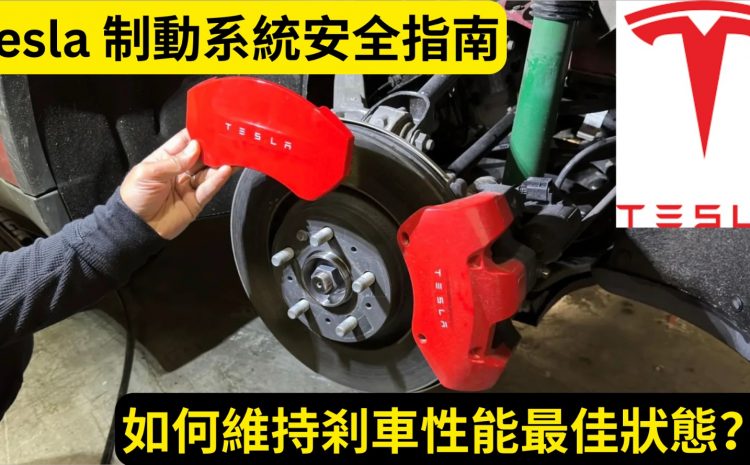
Tesla Braking System Safety Guide | How to Maintain Optimal Braking Performance
The Tesla braking system is a vital component of driving safety, and its performance and stability directly affect your safety on the road.Braking abnormalities not only reduce the driving experience but may also pose potential safety hazards. This article will explain in detail the structure of the Tesla braking system, common issues, and repair and maintenance advice, helping you extend the service life of the braking system and ensure driving safety.
How Does the Tesla Braking System Work? Unlocking the Core Technology and Functions
What Are the Main Components of the Tesla Braking System?
The Tesla braking system is a core part of ensuring vehicle driving safety. It is made up of several key components, each of which plays a vital role in braking performance.Understanding the functions and features of these main components can help owners better maintain their vehicles and ensure the stable operation of the braking system.
- Brake Pads and Brake Discs
Brake pads and brake discs are core parts of the mechanical braking system, responsible for generating friction to slow the vehicle when braking.
- Brake pads:
Made from specially formulated high-temperature-resistant materials, they rub against the brake discs during braking to provide braking force. The degree of wear on the brake pads directly affects braking performance. - Brake discs:
Usually made of cast iron or ceramic materials, they generate friction through contact with the brake pads. Brake discs should be checked regularly for cracks or excessive wear.
- Brake Fluid
Brake fluid is the medium that transmits braking pressure and is essential for maintaining the stability of the entire system.
- Function:
Brake fluid transfers the force generated when the driver presses the brake pedal to the brake calipers, enabling immediate braking. - Maintenance advice:
Brake fluid absorbs moisture over time, reducing its effectiveness, so it is recommended to replace it every 2 years or every40,000 kilometres.
- Brake Calipers
Brake calipers are part of the actuating mechanism in the braking system, responsible for pressing the brake pads against the brake discs to achieve braking.
- Type:
Tesla uses electronic brake calipers, which can provide more precise braking control. - Common Issues:
Prolonged periods without use or frequent emergency braking may cause the calipers to seize, affecting braking performance.
- Brake Booster System
The brake booster system helps drivers reduce the force required to press the brake pedal, thereby improving the driving experience.
- Electric power assistance:
Tesla’s brake assist system uses electronically controlled technology, giving a faster and more stable response. - Why it matters:
If the assist system fails, the driver may need to apply greater force to brake effectively.
- Regenerative braking system
Tesla’s regenerative braking system converts kinetic energy into electrical energy during deceleration and stores it in the battery, making more efficient use of energy.
- Benefits:
It reduces wear on the brake pads and brake discs, extending the service life of the mechanical braking system. - Driving tip:
Understanding how regenerative braking behaves allows for smoother deceleration while driving.
Summary
Tesla’s braking system is made up of core components including brake pads, brake discs, brake fluid, brake calipers, the brake assist system and the regenerative braking system.Each component works closely with the others during operation to ensure stable and reliable braking performance. Checking and maintaining these key components regularly is an essential step in safeguarding driving safety.
How EV braking systems differ from those of conventional vehicles
There are notable differences between the braking system designs of electric vehicles and conventional petrol or diesel cars. These differences are not only technical; they also directly affect owners’ driving experience and how their vehicles are maintained. Understanding them helps Tesla owners better grasp the key points of vehicle maintenance and avoid potential problems caused by unfamiliarity.
- The use of regenerative braking
One of the biggest differences between the braking systems of electric vehicles and conventional petrol or diesel cars lies in regenerative braking.
- Tesla’s regenerative technology:
During deceleration or braking, kinetic energy is converted into electrical energy and stored in the battery, thereby improving energy efficiency. - Effect on brake pads:
Conventional petrol or diesel cars rely entirely on brake pads to slow down, whereas electric vehicles use them less frequently, extending their service life.
- Precision of electronic control
EV braking systems rely heavily on electronic control technology, offering greater precision and stability.
- Tesla’s braking advantage:
Electronic brake calipers respond faster, completing braking actions within milliseconds to help keep driving safe. - Limitations of conventional vehicles:
Conventional vehicles mostly use hydraulic or pneumatic braking systems, which offer relatively lower response speed and precision.
- Brake pedal feedback response
Tesla’s braking system uses a brake pedal sensor to deliver instant feedback, optimising the driving experience.
- Braking response in electric vehicles:
An electric vehicle’s brake pedal is more responsive, adjusting braking force more precisely according to the pressure applied by the driver. - Characteristics of petrol vehicles:
In conventional vehicles, the mechanical linkage of the brake pedal leads to a slightly slower response, and after prolonged use the pedal may feel soft.
Summary
Compared with conventional petrol vehicles, an electric vehicle’s braking system is not only more advanced technologically, but also reduces mechanical wear through energy recuperation, improving overall energy efficiency.Tesla owners should familiarise themselves with these characteristics so they can make the most of the vehicle’s performance while driving, and should also pay attention to regular system maintenance to keep the braking system stable and reliable.
How Tesla’s Regenerative Braking System Works (Regenerative Braking System)
Tesla’s Regenerative Braking System is a breakthrough technology that not only significantly improves energy efficiency but also reduces wear on mechanical braking components. A deeper understanding of how the system operates and what it does can help Tesla owners maximise driving benefits and extend the vehicle’s service life.
- How Does the Regenerative Braking System Work? (How Does Regenerative Braking Work?)
When decelerating, Tesla’s regenerative braking system converts kinetic energy into electrical energy and stores it in the battery, recovering and reusing that energy.
- Core principle (Key Principle):
When the driver releases the accelerator pedal (Accelerator Pedal), the electric motor (Electric Motor) switches to generator mode (Generator Mode), and deceleration is achieved through electromagnetic resistance (Electromagnetic Resistance). - Energy storage (Energy Storage):
The electrical energy converted from kinetic energy is fed back to the lithium-ion battery (Lithium-Ion Battery), providing energy to support the vehicle’s subsequent driving.
- The Driving Experience of Regenerative Braking (Driving Experience with Regenerative Braking)
Regenerative braking gives drivers a driving feel completely different from that of conventional vehicles, and it takes some getting used to.
- One-pedal driving (One-Pedal Driving):
Tesla’s regenerative braking system allows drivers to control deceleration and stopping via the accelerator pedal, significantly reducing reliance on the brake pedal (Brake Pedal). - Immediacy of deceleration (Immediate Deceleration):
System deceleration responds quickly and smoothly, enhancing driving smoothness and safety.
- Protective effect on the brake system (Protection of the Brake System)
The regenerative braking system not only improves energy efficiency but also effectively reduces wear on mechanical components.
- Reduced brake pad wear (Reduced Brake Pad Wear):
By fulfilling most deceleration needs through regenerative braking, the service life of brake pads (Brake Pads) and brake discs (Brake Discs) is significantly extended. - Lower Risk of Brake System Failure (Lower Risk of Brake System Failure):
Due to less frequent use, the maintenance requirements for brake calipers (Brake Calipers) and brake fluid (Brake Fluid) are also reduced.
Conclusion
Tesla’s regenerative braking system (Regenerative Braking System) is not only a key technology for improving energy efficiency but also significantly reduces mechanical wear on the braking system. By using this function correctly, owners can improve the driving experience and extend the vehicle’s lifespan. Understanding its operating principles and best usage practices is a must for every Tesla owner.
Analysis of Causes and Solutions for Tesla Brake Abnormalities
Causes and Solutions for Brake Noise
Brake noise is one of the common complaints among Tesla owners. This not only affects the driving experience but may also indicate potential problems with the braking system. Understanding the common causes of brake noise and their solutions is crucial for maintaining Tesla’s braking performance.
- Common Causes of Brake Noise
- Excessive brake pad wear (Worn Brake Pads)
- When brake pad thickness is too low, the metal backing plate contacting the brake disc produces a sharp noise.
- Long-term neglect may damage the brake discs, leading to higher repair costs.
- Rusty brake discs (Rusty Brake Discs)
- Because electric vehicles use regenerative braking systems (Regenerative Braking System), mechanical brakes are used less frequently, making the brake disc surfaces prone to rust.
- Rusty brake discs will rub against the brake pads and produce noise.
- Foreign objects in the brake system (Foreign Objects in the Brake System)
- If gravel or small foreign objects get between the brake pads and brake discs, they may cause scraping or other abnormal noises when braking.
- How to Fix Brake Noise
- Inspect and replace brake pads (Inspect and Replace Brake Pads)
- Regularly check the thickness of the brake pads to ensure they are within the safe range.
- If the brake pads are too thin, they should be replaced immediately; choose high-quality brake pads to extend their service life.
- Clean or replace brake discs (Clean or Replace Brake Discs)
- If the brake disc surface is slightly rusted, the rust can be cleaned off by braking frequently.
- If the rust is severe, consider replacing the brake discs to restore braking performance.
- Remove foreign objects (Remove Foreign Objects)
- Have a professional inspection carried out at a repair centre to remove foreign objects from the brake system.
- Protective accessories can be installed to reduce the chance of gravel entering the brake system.
- How to Prevent Brake Noise
- Regular maintenance (Regular Maintenance)
- It is recommended that every 10,000 kilometres, the braking system should be inspected to keep the brake pads and brake discs in good condition.
- Proper use of regenerative braking (Proper Use of Regenerative Braking)
- Although regenerative braking reduces the use of the brake pads, the mechanical brakes still need to be used occasionally to remove rust from the brake discs.
- Choose suitable brake components (Choose Suitable Brake Components)
- Use original or high-quality brake pads and brake discs to ensure the stability and durability of the braking system.
Conclusion
Although brake noise is common, it may hide underlying problems in the braking system.Tesla owners should promptly inspect and repair key components such as brake pads and brake discs, and adopt correct driving habits to reduce the occurrence of abnormal noises.Regular maintenance of the braking system not only improves driving comfort but also ensures driving safety.
Solutions for Soft Brakes and Increased Stopping Distance
When When a Tesla vehicle’s braking system feels soft or the braking distance increases, this may be a sign of declining braking system performance. Understanding the causes and solutions helps to ensure the safety and stability of the braking system.
- Common Causes of Soft Brakes
- Insufficient or Contaminated Brake Fluid (Insufficient or Contaminated Brake Fluid)
- Insufficient brake fluid leads to inadequate braking pressure, causing the brake pedal to feel soft.
- Brake fluid absorbing moisture or becoming contaminated also reduces braking efficiency.
- Air in the Brake Lines (Air in the Brake Lines)
- Air entering the brake lines affects braking pressure, causing the brake pedal to feel soft or weak.
- Excessive wear on brake pads or brake discs (Worn Brake Pads or Discs)
- Excessively worn brake pads or discs can affect friction and cause braking performance to decline.
- Causes of Increased Stopping Distance
- Brake pad or disc ageing (Ageing Brake Pads or Discs)
- Reduced friction performance of the brake pads and discs directly affects stopping distance.
- Vehicle overload (Overloaded Vehicle)
- Overloading the vehicle places extra strain on the braking system, increasing stopping distance.
- Tyre wear or insufficient tyre pressure (Worn Tyres or Underinflated Tyres)
- Insufficient tyre grip reduces braking effectiveness and affects stopping distance.
- Methods to Address Soft Brakes or Increased Stopping Distance (How to Fix Soft Brakes and Increased Stopping Distance)
- Replace Brake Fluid (Replace Brake Fluid)
- Replace the brake fluid regularly to ensure it remains clean and at the correct level.
- It is recommended every 2 years or 40,000 km to replace the brake fluid once.
- Bleed air from the brake lines (Bleed the Brake Lines)
- Use professional tools to bleed air from the brake lines and restore normal braking pressure.
- Inspect and replace worn components (Inspect and Replace Worn Components)
- Replace excessively worn brake pads and brake discs to ensure optimum performance of the braking system.
- Also check tyre condition and replace tyres or adjust tyre pressure if necessary.
- How to Prevent Brake Performance Deterioration (How to Prevent Brake Performance Issues)
- Regular Brake System Maintenance (Regular Brake Maintenance)
- Every Inspect the brake pads, brake discs and brake fluid at 10,000 km.
- Avoid Overloading the Vehicle (Avoid Overloading the Vehicle)
- Manage the vehicle’s load to avoid placing excessive strain on the braking system.
- Maintain Proper Driving Habits (Maintain Proper Driving Habits)
- Avoid frequent emergency braking and make sensible use of regenerative braking to reduce brake pad wear.
Summary
Soft brakes and increased braking distance can create driving safety hazards. By checking the brake fluid, brake pads, brake lines and tyre condition in good time, and adopting correct driving habits,Tesla owners can ensure the stability and safety of the braking system. Regular maintenance is key to extending the life of the brake system, and choosing a professional repair centre for inspection and servicing is recommended.
Common Brake Light Warning Issues and Repair Solutions
When the Tesla brake light warning indicator comes on, this indicates that there may be a potential issue with the braking system. Understanding the common causes of these warnings and the solutions available can help owners quickly identify faults and take appropriate repair measures.
- Common Causes of Brake Light Warnings
- Low Brake Fluid Level (Low Brake Fluid Level)
- Insufficient brake fluid is the most common cause; it may be due to the fluid level dropping through prolonged use, or there may be a leak.
- Excessively Worn Brake Pads (Excessively Worn Brake Pads)
- When the brake pad thickness drops below the safety standard, the vehicle automatically triggers the brake warning light.
- Faulty Brake Sensors (Faulty Brake Sensors)
- Brake sensors can fail because of dirt, damage or circuit problems, causing the warning light to trigger incorrectly.
- Brake System Electronics Malfunction (Brake System Electronics Malfunction)
- An electric vehicle’s braking system relies heavily on electronic components, so any circuit issue can trigger a warning light.
- How to Diagnose Brake Light Warning Issues
- Check Brake Fluid Levels ()
- Refer to the vehicle’s owner’s manual to locate the brake fluid reservoir, and check whether the fluid level is below the “MIN” mark.
- Check the condition of the brake pads (Inspect Brake Pads)
- Use professional tools to check the thickness of the brake pads. If the thickness is insufficient, they should be replaced immediately.
- Use diagnostic tools to check the electronic components (Use Diagnostic Tools for Electronics)
- Use OBD-II diagnostic tools or Tesla-specific equipment to check the status of the sensors and electronic systems.
ImmediatelyWhatsAppcontact us to book a brake system inspection
- Repair Measures for Brake Light Warnings (Repair Solutions for Brake Light Warnings)
- Replace Brake Fluid (Replace Brake Fluid)
- If the fluid level is too low, use the brake fluid recommended by the manufacturer to top up or replace it. It is necessary to check whether there are any leak points.
- Replace Brake Pads (Replace Brake Pads)
- Replace severely worn brake pads and check whether the brake discs need to be replaced at the same time.
- Repair or Replace Sensors (Repair or Replace Sensors)
- Clean or replace faulty sensors and, if necessary, check whether the related circuits are working properly.
- Update Brake System Electronics (Update Brake System Electronics)
- If the problem lies with the electronic components, you can contact a Tesla service centre for a software upgrade or hardware repair.
- How to Avoid Brake Light Warnings (How to Prevent Brake Light Warnings)
- Regular Checks of Brake Fluid and Pads (Regular Checks of Brake Fluid and Pads)
- Every 10,000 kilometres, carry out an inspection to ensure the brake system is in optimal condition.
- Keep Sensors Clean (Keep Sensors Clean)
- Clean the brake system regularly to prevent dirt from affecting sensor operation.
- Schedule Comprehensive Inspections (Schedule Comprehensive Inspections)
- Carry out a professional inspection of the braking system every year or before long-distance driving.
Conclusion
Brake light warnings may be caused by a number of factors, including low brake fluid level, worn brake pads and faulty electronic components. Vehicle owners should inspect promptly and take repair measures to avoid potential driving risks. Choosing a Tesla-certified service centre for inspection and repair can ensure the stability and safety of the brake system and extend its service life.
Tesla Brake Repair and Maintenance Guide: Expert Advice and Practical Tips
How do you properly check the degree of brake pad wear? (How to Properly Inspect Brake Pad Wear)
Brake pads are As a core component of Tesla’s braking system, its condition directly affects braking performance and driving safety. Regularly checking brake pad wear not only extends the life of the braking system but also helps avoid safety hazards caused by brake failure.
- Why is it necessary to inspect brake pad wear? (Why Inspect Brake Pad Wear?)
- Ensuring stable braking performance
- Excessive brake pad wear reduces braking effectiveness, lengthens braking distance and increases the risk of accidents.
- Preventing damage to other braking components
- If worn brake pads are not replaced in time, they may damage the brake rotors (Brake Rotors), further increasing repair costs.
- Preventing abnormal noise from the braking system
- Excessively worn brake pads may cause sharp noises when braking, affecting driving comfort.
- How should brake pad wear be checked? (Steps to Inspect Brake Pad Wear)
- Visual check (Visual Inspection)
- Use a torch to check the thickness of the brake pads. Brake pads in normal condition should have at least 6 mm in thickness. If the thickness is below 3 mm, they should be replaced immediately.
- Monitoring abnormal brake signals (Monitor Brake Warning Signs)
- When brake pad wear approaches the limit, Tesla will usually trigger a brake warning light. In addition, abnormal noises when braking or increased braking distance are also clear signs of brake pad wear.
- Professional inspection (Professional Assessment)
- Visit a Tesla-certified repair centre, where professional tools are used to measure the exact thickness of the brake pads and inspect the surface condition of the brake rotors.
- Typical causes of brake pad wear (Common Causes of Brake Pad Wear)
- Frequent emergency braking (Frequent Emergency Braking)
- Emergency braking increases the load on the brake pads, causing them to wear quickly.
- Driving with heavy loads (Driving Under Heavy Loads)
- Driving with heavy loads over long periods places greater strain on the braking system and shortens the life of the brake pads.
- Brake pad quality (Quality of Brake Pads)
- Using low-quality brake pads can lead to faster wear and may even affect braking performance.
- Brake pad inspection frequency and replacement recommendations (Inspection Frequency and Replacement Recommendations)
- Inspection frequency
- Every 10,000 km, check the brake pads, or have them checked during routine servicing.
- Replacement recommendations
- When the brake pad thickness falls below 3 mm, it should be replaced immediately. Tesla original brake pads are recommended to ensure stable performance.
- Check the brake discs at the same time
- When replacing the brake pads, also check the flatness and thickness of the brake discs to ensure the stability of the overall braking system.
Summary
Checking the degree of brake pad wear is key to ensuring the safety performance of the Tesla braking system. Through visual inspection, monitoring warning signals and professional testing, owners can identify and address potential issues in good time and extend brake pad life. Choosing a Tesla certified repair centre for maintenance ensures the optimal performance and safety of the braking system, giving you greater peace of mind while driving.
Brake Fluid Replacement Intervals and Points to Note
Brake Fluid Replacement Intervals and Points to Note (Brake Fluid Replacement Intervals and Tips)
Brake fluid (Brake Fluid) plays a vital role in the Tesla braking system, transmitting braking force from the brake pedal to the brake calipers. Maintaining brake fluid quality and the correct level is essential to ensuring braking system performance. This article explains brake fluid replacement intervals, inspection methods and points to note during replacement, helping you maintain brakingsystem safety and stability.
- The Role and Characteristics of Brake Fluid (Role and Features of Brake Fluid)
- Transmitting braking pressure
- Brake fluid is a hydraulic medium that converts pressure from the brake pedal into braking force, driving the brake calipers to clamp the brake discs.
- High-temperature resistance
- Brake fluid does not vaporise easily at high temperatures, ensuring the braking system remains stable under frequent use.
- Hygroscopic nature (Hygroscopic Nature)
- Brake fluid absorbs moisture from the air, lowering its boiling point and affecting braking performance, so it needs to be replaced regularly.
- Replacement Intervals for Brake Fluid (Brake Fluid Replacement Intervals)
- Tesla’s official recommendation
- According to Tesla’s official service manual, brake fluid should be replaced every 2 years or 40,000 km, although the exact timing can be adjusted according to driving conditions.
- Adjustments for special driving conditions
- If you frequently drive in humid environments or on mountain roads, the brake fluid may deteriorate sooner; it is recommended to check every 18 months.
- Regular inspections
- During every routine service, check the brake fluid level and quality to ensure there is no contamination or obvious discolouration.
- Steps and Precautions for Replacing Brake Fluid
- Replacement Steps
- Drain the old brake fluid: use professional tools to completely drain the old brake fluid from the braking system.
- Add new brake fluid: use Tesla-recommended DOT3 or DOT4 brake fluid, filling to the appropriate level.
- Bleeding: ensure there are no air bubbles in the system to prevent affecting braking performance.
- Precautions
- Use the appropriate brake fluid: using brake fluid of a non-recommended specification may cause system failure.
- Avoid brake fluid contamination: brake fluid is extremely sensitive to air and moisture, and the filling process must be kept clean.
- Seek professional assistance: replacing brake fluid requires professional equipment; it is recommended to visit a Tesla-certified repair centre.
- How to check brake fluid quality? (How to Check Brake Fluid Quality?)
- Fluid level check
- Check whether the fluid is within the specified range via the level line on the brake fluid reservoir.
- Colour observation
- Fresh brake fluid is usually transparent to light yellow; if the colour darkens or becomes cloudy, replacement may be required.
- Moisture test
- Use a professional tester to measure the water content of the brake fluid; if the water content exceeds 3%, it should be replaced immediately.
- Risks of Not Replacing Brake Fluid
- Reduced braking efficiency
- After absorbing water, brake fluid has a lower boiling point; vapour lock may occur during braking, leading to brake failure.
- Damage to braking components
- Deteriorated brake fluid may corrode the metal components of the braking system, increasing repair costs.
- Shortened system lifespan
- Long-term use of poor-quality or expired brake fluid can cause irreversible damage to the entire braking system.
Conclusion
Regularly replacing brake fluid is an important step in ensuring the stable operation of the Tesla braking system. By following the officially recommended replacement intervals, checking the fluid level and quality, and using the appropriate brake fluid, owners can effectively extend the service life of the braking system and improve driving safety. Choosing professional repair services is the best way to ensure the quality of brake fluid replacement.
How to determine whether brake calipers need replacement? (How to Determine If Brake Calipers Need Replacement)
Brake calipers (Brake Caliper) is one of the core components of the Tesla braking system, responsible for converting brake pressure into actual braking force to ensure the vehicle slows down or stops. Because it operates under high pressure and high temperatures, brake calipers may suffer wear or failure. Ignoring these issues will not only affect braking performance but also create safety risks. The following are methods to determinewhether the brake calipers need to be replaced, along with maintenance advice.
- Common Signs of Brake Caliper Problems (Common Signs of Brake Caliper Issues)
- Braking Noise
- If you hear a sharp metallic grinding sound or unusual noise when braking, it may be caused by a sticking caliper piston or sliding component.
- Vehicle Pulling to One Side
- If the vehicle pulls to one side when braking, it may be caused by the caliper being unable to apply pressure evenly.
- Abnormal Brake Pedal Feel
- If the brake pedal feels too soft or requires more force to brake, this may be related to a leaking caliper or a damaged piston.
- Brake Overheating
- After prolonged braking, if you notice an unusual smell or feel that the wheels are abnormally hot, the caliper may be failing to release braking pressure properly.
- Steps for Inspecting Brake Calipers (Steps to Inspect Brake Calipers)
- Visual Inspection
- Check the caliper for obvious cracks, deformation or rust. These problems are usually signs of an aged or damaged caliper.
- Test Piston Operation
- Use professional tools to check whether the caliper piston extends and retracts smoothly; if the piston sticks, it may need to be replaced.
- Check for Brake Fluid Leaks
- If there are traces of brake fluid around the caliper, this may indicate a damaged seal and requires further repair or replacement.
- The Best Time to Replace Brake Calipers (When to Replace Brake Calipers)
- Checks During Routine Servicing
- During every braking system service, ask a professional technician to check the condition of the calipers. It is usually recommended to have this checked every 40,000 to 60,000 kilometres.
- When the Caliper Cannot Be Repaired
- If the caliper piston or sliding components are severely damaged or no longer working properly, the entire caliper should be replaced immediately.
- When Replacing Brake Pads or Brake Discs
- When replacing the brake pads or brake discs, check the wear on the calipers and replace them at the same time if necessary to ensure the overall performance of the braking system.
- How to Choose the Right Brake Caliper (Choosing the Right Brake Caliper)
- Use genuine parts (OEM Parts)
- Tesla OEM brake calipers offer greater assurance in terms of quality and durability, and fit the vehicle’s braking system perfectly.
- Check compatibility
- If you choose non-OEM parts, please ensure that the model is compatible with Tesla models and meets the manufacturer’s specification requirements.
- Professional installation
- Replacing calipers requires professional tools and expertise, so it is advisable to have the work carried out at a Tesla-certified repair centre, to avoid improper installation affecting braking performance.
- Potential Risks of Ignoring Brake Caliper Issues
- Reduced braking performance
- A caliper fault can cause uneven braking, increase braking distance and affect driving safety.
- Accelerated wear of brake pads and discs
- A damaged caliper may apply uneven pressure to the brake pads or discs, causing premature wear of these components.
- Triggering faults in other systems
- Caliper problems left unaddressed over time can cause irreversible damage to the entire braking system and increase repair costs.
Conclusion
Regular inspection and maintenance of brake calipers is essential to ensuring the reliability and safety of the Tesla braking system. By paying attention to unusual brake noises, changes in braking performance and hydraulic issues, owners can identify potential caliper problems in good time and take appropriate repair measures. Choosing professional repair services and high-quality components can effectively extend the service life of the braking system and ensure driving safety.
How to Choose Tesla Brake Repair? Avoiding Common Repair Pitfalls
Criteria for Choosing a Professional Repair Centre
Choosing a professional repair centre is the key to ensuring the quality of Tesla braking system repairs. As Tesla’s braking system is high-tech and precision-engineered, not all repair centres have the corresponding expertise and equipment. The following are several important criteria for choosing a professional repair centre, to help owners avoid common repair pitfalls.
- Does It Have Tesla-Certified Technicians?
- Officially certified technicians
- Tesla-Certified Technicians are professionally trained and familiar with Tesla’s braking system and other key technologies.
- The importance of certification
- Uncertified technicians may, due to a lack of Experience in servicing Tesla models, leading to repair errors or the use of substandard parts, which in turn affects braking performance.
- Check certification status
- Vehicle owners can the Tesla official website or by calling Tesla customer service to confirm the repair centre’s certification.
- Whether the repair centre has access to professional equipment (Access to Advanced Tools and Equipment)
- Tesla-specific diagnostic equipment
- Tesla’s braking system and regenerative braking system require specialised diagnostic tools for precise testing and calibration.
- The importance of upgraded equipment
- Professional repair centres are usually equipped with the latest lifts, brake system testers and high-voltage battery safety equipment, ensuring precision and safety during repairs.
- Potential risks of inadequate equipment
- Using generic repair equipment may fail to detect subtle issues with Tesla’s braking system, thereby affecting the repair outcome.
- Whether OEM parts are available (Availability of OEM Parts)
- The importance of Tesla OEM parts
- OEM parts (OEM Parts) are rigorously tested to ensure perfect compatibility and consistent performance with Tesla models.
- Risks of non-OEM parts
- Using low-quality aftermarket parts can lead to reduced braking efficiency, increased noise and even brake failure.
- Parts sourcing at the repair centre
- Owners can ask the repair centre to provide proof of the parts’ origin, confirming whether they are genuine parts supplied by an authorised Tesla dealer.
- Whether the repair process is transparent (Transparent Repair Process)
- Detailed diagnostic report
- Professional repair centres should provide a clear diagnostic report explaining the braking system issues, recommended solutions and associated costs.
- Itemised quotation breakdown
- Owners should ask the repair centre for a detailed cost breakdown to avoid paying unreasonable charges due to vague quotations.
- Real-time repair status updates
- Transparent repair centres will show owners the repair progress through photos, videos or real-time updates, building trust.
- Customer reviews and reputation (Customer Reviews and Reputation)
- The importance of online reviews
- Checkreviews on Facebook groups, Google Reviews, Tesla owner forums or other social media to learn what other owners say about the repair centre.
- Warning signs in negative reviews
- If a repair centre has been repeatedly complained about for unprofessional workmanship, the use of counterfeit parts or unreasonable quotes, you should choose carefully.
- Reputable repair centres
- Reputable repair centres can usually provide high-quality repair services and build long-term customer trust.
Conclusion
Choosing a professional Tesla repair centre can effectively safeguard the quality of braking system repairs and ensure driving safety. Owners should prioritise repair centres that have Tesla-certified technical expertise, are equipped with professional equipment and use original parts. In addition, transparency in the repair process and good customer reviews are also important criteria when evaluating a repair centre. Through careful selection, owners can avoidunnecessary risks and extend the service life of the Tesla braking system.
How to Judge Whether a Repair Quote Is Reasonable? (How to Evaluate the Fairness of Repair Quotes)
When choosing Tesla braking system repair services, judging whether a repair quote is reasonable is crucial. Some repair centres may quote excessively high prices, or even hide unnecessary extra charges. Below is key guidance to help you judge whether a quote is reasonable.
- Understanding Market Rates
- Collect quotes from several providers for comparison
- Before deciding on repairs, owners should ask several repair centres for quotes to understand the price range for similar services on the market.
- Base prices for standard services
- The market prices for common braking system repair items, such as the cost range for brake pad replacement and brake fluid replacement, should normally have a clear market benchmark.
- Avoid the trap of excessively low prices
- A quote that is too low may suggest that the repair centre uses inferior parts or non-compliant repair procedures.
- Review Itemised Quotes
- List all service and parts costs as separate items
- Professional repair centres will provide an itemised quote that sets out labour costs, parts costs and other additional charges in detail.
- Parts costs and brand sources
- Confirm the brand and source of the parts in the quote, and whether they are Tesla original parts (OEM Parts).
- Avoid hidden charges
- Be wary of vague or non-transparent charges, such as“inspection fees” or “handling fees”, which may be items that repair centres charge extra for.
- Evaluating Labour Costs
- Standard range for labour costs
- Labour costs for the Tesla braking system may be higher, but should be within a reasonable range, for example the hourly rate of a professional technician.
- Reasonableness of labour time estimates
- Owners should ask the repair centre about the estimated labour hours required to complete the service, and compare the standards of several repair centres.
- Whether unnecessary procedures are added
- Ensure that the procedures listed in the quote are necessary and directly related to the braking system issue, avoiding unnecessary additional labour hours.
- Consider the Repair Centre’s Professionalism (Assess Repair Center’s Professionalism)
- Whether professional equipment affects costs
- Using high-end equipment for diagnostics and repairs may increase costs, but it can also ensure service quality.
- Whether a repair guarantee is included
- Professional repair centres usually provide a repair guarantee, which can reduce subsequent repair costs for owners.
- Certification of the repair centre
- Having Quotes from Tesla-certified repair centres may be slightly higher, but they are more trustworthy.
- Whether multiple payment options are offered (Multiple Payment Options)
- Flexible payment methods
- Some professional repair centres offer instalment payments or credit card offers, which can ease the financial pressure on owners.
- Check whether there are promotions or discounts
- Some repair centres offer discounts for new customers or large repairs, so owners should ask proactively.
- Watch out for interest rates or additional charges
- If you choose instalment payments, confirm whether any additional interest or handling fees will apply.
Conclusion (Conclusion)
Assessing whether a repair quote is reasonable requires considering multiple factors: market rates, itemised quote details, labour costs, professionalism and payment options. Vehicle owners should avoid quotes that are too low or too high, and choose a professional repair centre that provides transparent quotes and has a good reputation, ensuring the quality and value for money of Tesla braking system repairs.
How should brake performance be inspected after repairs? (How to Inspect Brake Performance After Repairs)
After completing Tesla brake system repairs, inspecting brake performance is a key step in ensuring repair quality. The following detailed inspection process helps vehicle owners determine whether the brakes have returned to optimal condition and safeguards driving safety.
- Carry Out Static Tests (Perform Static Tests)
- Check the feedback from the brake pedal
- When stationary, depress the brake pedal; you should feel stable and even pressure, with no abnormal looseness or sinking.
- Whether the brake lights are working properly
- Check whether the brake lights illuminate immediately when the brake pedal is depressed, ensuring the circuit and sensors are working properly.
- Check the brake fluid level
- The brake fluid should be within the normal range; if the level is too low, it may indicate that a leak is still present inside the system.
- Conduct Low-Speed Tests
- Test the immediate braking response
- When driving at low speed (10-20 km/h), press the brake pedal; the brakes should engage immediately and the vehicle should come to a stable stop.
- Check for unusual brake noises
- Pay attention to any abnormal sounds during braking, such as sharp metallic grinding or unusual noises; this may be a sign of brake pad or caliper problems.
- Observe whether the vehicle pulls to one side
- When braking, the vehicle should travel in a straight line; if it pulls to one side, this may mean the braking system has not been fully adjusted.
- Conduct High-Speed Tests
- Test whether the braking distance is normal
- When driving at high speed (60-80 km/h), carry out a braking test to check whether the braking distance is too long. An excessively long distance may mean the brake pads are not working effectively.
- Check for vibration during braking
- Check whether the steering wheel or vehicle vibrates during braking; this may be related to a deformed brake disc or improper installation.
- Check for brake overheating
- After braking several times, check for signs of brake overheating (such as reduced braking performance or a strange smell).
- Inspect System Functions
- Braking energy recovery system (Regenerative Braking System)
- After the repair, verify that the energy recovery system is working correctly, and check the brake pedal feedback and energy recovery efficiency when braking.
- ABS system (Anti-lock Braking System)
- Test the emergency braking function to ensure that the ABS system can effectively prevent the wheels from locking during braking.
- Braking assistance system (Brake Assist)
- Verify that the brake assist function activates correctly, for example whether there is extra braking force assistance when the brake pedal is pressed hard.
- Communicate with the Repair Centre
- Confirm the list of replaced parts
- Check with the repair centre whether the replaced parts are Tesla original parts or high-quality replacements.
- Request a repair warranty
- Ensure that the repair centre provides a reasonable warranty period to cover any issues that may arise after the repair.
- Provide feedback on the brake test results
- If any problems are found during testing, notify the repair centre immediately for further inspection and adjustment.
Summary (Conclusion)
Validating braking performance requires multi-layered verification through static testing, low-speed testing, high-speed testing and functional checks. Vehicle owners should make full use of these test steps to ensure the safety and stability of the Tesla braking system. Choosing a professional repair centre and proactively communicating with technicians can help you safeguard driving safety to the greatest extent possible.
How to Extend Tesla Brake Life? Driving and Maintenance Tips Revealed
How to Use Regenerative Braking to Reduce Brake Pad Wear? (How to Leverage Regenerative Braking to Minimise Brake Pad Wear)
Tesla’s braking energy recovery system (Regenerative Braking) is one of its core technologies. It can both improve energy efficiency and reduce brake pad wear, extending the service life of the braking system. Understanding how to use this feature correctly can not only lower repair costs but also enhance the driving experience.
- What Is Regenerative Braking? (What Is Regenerative Braking?)
Regenerative braking is a technology that uses the electric motor to convert kinetic energy into electrical energy and store it in the battery during deceleration. This process reduces the frequency with which conventional brakes are used, thereby reducing brake pad wear.
- Kinetic energy to electrical energy: When the driver releases the accelerator pedal, the motor begins to run in reverse, creating a deceleration effect and recovering energy.
- Reduced reliance on the braking system: The deceleration process relies more on the motor than on the brake pads, thereby extending the life of the braking system.
- How to Adjust Regenerative Braking to Reduce Brake Pad Wear? (How to Adjust Regenerative Braking Settings?)
Tesla offers adjustable regenerative braking modes, allowing you to choose the appropriate setting based on driving needs and road conditions.
- High-Intensity Mode (Standard Regenerative Braking)
- Suitable for city driving or conditions with frequent stop-and-go traffic.
- The deceleration effect is strong, minimising the use of brake pads to the greatest extent possible.
- Low-Intensity Mode (Low Regenerative Braking)
- Suitable for motorway driving or situations requiring smoother deceleration.
- The deceleration effect is weaker, but it can still effectively reduce use of the braking system.
**Recommendation:** Choose a mode that suits your daily driving needs, make full use of regenerative braking and reduce the load on the braking system.
- How to Develop Good Driving Habits to Complement Regenerative Braking? (How to Develop Driving Habits to Maximise Regenerative Braking?)
The regenerative braking function needs to be combined with driving habits to achieve the best results.
- Anticipatory Driving (Anticipatory Driving)
- Observe road conditions in advance, and avoid frequent harsh acceleration and deceleration.
- When you need to slow down, ease off the accelerator early to allow regenerative braking to engage, reducing the strain on the braking system.
- Maintain a Steady Speed (Maintain Steady Speed)
- On flat roads or long downhill sections, maintain a steady speed and use regenerative braking to decelerate.
- Avoid Prolonged Light Braking (Avoid Prolonged Light Braking)
- Avoid braking lightly too often; allow the regenerative braking system to take over deceleration, thus reducing brake pad wear.
- Other Benefits of Regenerative Braking
- Increase Driving Range
- The recovered energy is stored directly in the battery, which can increase the distance travelled.
- Reduce Carbon Dioxide Emissions
- Reduce reliance on the conventional braking system, lower particulate emissions from wear, and achieve greener driving.
- Lower Maintenance Costs
- Brake pads and discs need to be replaced less often, saving on repair costs.
Conclusion
Tesla’s regenerative braking is an important tool for extending the lifespan of the braking system.By correctly adjusting the regenerative braking mode and cultivating good anticipatory driving habits, you can not only reduce brake pad wear but also improve overall driving efficiency and safety. By making the most of this feature, you can enjoy lower maintenance costs and do your bit for the environment.
How Driving Habits Impact the Lifespan of the Braking System
Good driving habits are an important guarantee for extending the service life of Tesla’s braking system. Improper driving behaviour can accelerate wear on braking components, increasing maintenance costs and safety risks.Below are the main driving behaviours that affect the lifespan of the braking system, along with suggestions for improvement.
- The Impact of Hard Braking
Frequent hard braking can cause brake pads to overheat, accelerating wear and even damaging the brake disc surface. This is particularly common when drivers fail to anticipate road conditions.
- Hard braking can cause uneven wear on the brake discs, affecting braking performance.
- High temperatures can reduce the friction performance of the brake pads, increasing braking distance.
Drivers are advised to maintain an appropriate following distance, slow down early and avoid frequent hard braking.
- Stop-and-go driving patterns
Frequent stop-start driving in congested areas places heavy demand on the braking system, causing the brake pads and brake fluid to age more quickly.
- Repeated braking raises brake temperatures and affects braking performance.
- Brake pads wear out prematurely and require more frequent replacement.
It is advisable to make full use of Tesla’s regenerative braking, reducing reliance on the conventional braking system.
- Braking habits when driving downhill
Holding the brakes for prolonged periods, especially when driving downhill, can cause the braking system to overheat, possibly leading to brake fade and reduced braking performance.
- Overheating of the braking system increases the risk of bubbles forming in the brake fluid, affecting braking performance.
- Brake discs may warp due to uneven heating.
On long downhill descents, use regenerative braking to help slow down, while applying the brakes at suitable intervals.
- The impact of load weight on braking system lifespan
Excessive loads increase the strain on the braking system, accelerating wear on the brake pads and discs.
- A heavier vehicle requires greater braking force, shortening the lifespan of the braking components.
- Overloading also affects the vehicle’s energy efficiency.
Avoid driving overloaded for extended periods, keep the items in your car to a minimum and reduce the load on the vehicle.
- How to improve your driving habits
Improving your driving behaviour not only extends the lifespan of the braking system but also enhances overall driving safety.
- Observe road conditions ahead to reduce unnecessary braking.
- Maintain a steady speed on the motorway to reduce how frequently the braking system is used.
- Check the brake pads and brake fluid regularly to ensure they meet performance standards.
Summary
Driving habits are an important factor affecting the lifespan of Tesla’s braking system. Avoiding hard braking, reducing frequent stop-start driving, managing the vehicle’s load and making full use of regenerative braking all help to reduce the rate of wear on the braking system. Regular inspections of the braking components and resolving potential issues early are also effective ways to extend the braking system’s service life.
Avoiding Wear on the Braking System from Emergency Braking (How to Prevent Emergency Braking Damage to the Braking System)
Although emergency braking can protect the driver’s safety in dangerous situations, frequent or unnecessary use will cause serious wear to Tesla’s braking system. The following are the effects of emergency braking on the braking system and recommendations on how to effectively reduce how often it is used.
- The Effects of Emergency Braking on the Braking System
- Increased brake pad wear: Emergency braking subjects the brake pads to extreme pressure instantly, causing them to wear much faster than under normal use.
- Brake disc overheating and distortion: High-intensity braking can cause uneven heating of the brake discs, resulting in distortion or cracks.
- Reduced brake fluid performance: Frequent use of emergency braking causes the brake fluid to overheat, reducing its ability to transmit pressure and affecting braking performance.
- Practical Tips for Preventing Emergency Braking
- Maintain a safe following distance: Keeping an appropriate distance from the vehicle in front while driving can effectively reduce the need for sudden braking.
- Anticipate road conditions in advance: Pay close attention to the movements of surrounding vehicles, especially in congestion or at high speed; slowing down early is key to avoiding emergency braking.
- Familiarise yourself with Tesla’s driver assistance features: Making full use of Automatic Emergency Braking (AEB) and lane keeping assist helps avoid emergency braking caused by human operation.
- How to Repair Wear Caused by Emergency Braking?
- Check the brake pads: After emergency braking, the wear on the brake pads should be checked regularly, and they should be replaced promptly when necessary.
- Correct the brake discs: If abnormal noises or judder occur with the brake discs, they should be inspected and corrected immediately.
- Replace the brake fluid: If emergency braking causes the brake fluid to overheat, it must be replaced promptly to restore braking performance.
- Additional Advantages of Tesla’s Braking System
The energy recovery technology (Regenerative Braking) featured in Tesla’s braking system can, to a certain extent, reduce how often the braking system is used and extend the service life of braking components. Therefore, making sensible use of regenerative braking is an important way to reduce wear on the system caused by emergency braking.
Summary
Although emergency braking is unavoidable in special situations, excessive use may cause damage to the Tesla braking system. By maintaining a safe following distance, anticipating road conditions ahead and using driver-assistance functions correctly, you can effectively reduce the number of emergency braking events and extend the life of the braking system. At the same time, regularly inspecting braking components and resolving issues promptly ensures the safety and stability of the braking system.
Reference websites:
https://teslamotorsclub.com/tmc/