
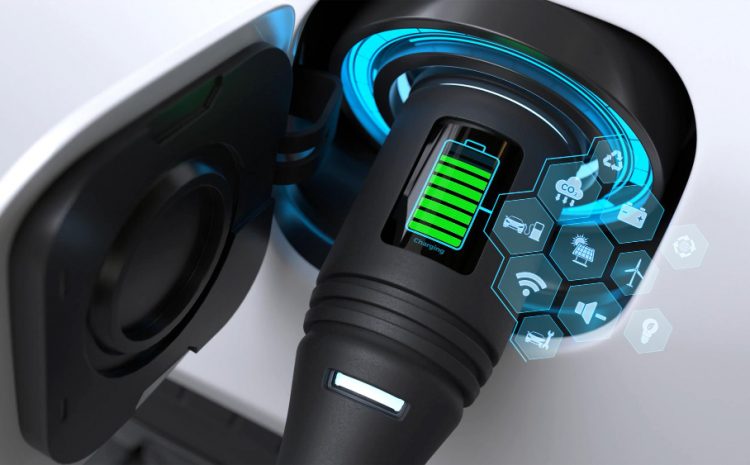
EV Battery Health Explained | How to Check Before Buying and Prevent High Battery Replacement Costs
EV battery health directly affects range, safety and long-term ownership costs, making it one of the most closely watched topics for both used and new EV buyers. As electric vehicles become more widespread in Hong Kong and globally, understanding battery health assessment methods, common degradation factors and techniques for preventing repair costs has become essential learning for every car owner and prospective owner. This feature will explain, in accessible terms,the structure of EV batteries, degradation mechanisms, inspection steps, and how to effectively prevent high battery replacement costs, helping you buy wisely and drive with peace of mind.
EV Battery Health Fundamentals
As electric vehicles become increasingly popular in Hong Kong and global markets, battery health (SOH, State of Health) has become a key metric that new and used car buyers cannot afford to ignore. The battery is not only the “heart” of an EV, but also directly affects range, safety and future ownership costs. To buy wisely and use an EV long term, understanding the different battery types, structure, capacity and health assessment methods are crucial. This article will take you through a detailed breakdown of mainstream battery technologies, key health checks and future battery trends, helping you to gain a comprehensive understanding of the core knowledge surrounding electric vehicle batteries.
Mainstream Battery Types and Structures Explained
At present, most electric vehicles use lithium-ion batteries, because their high energy density and long cycle life have made them the market mainstream. Lithium-ion batteries can be further divided into two main categories: ternary lithium (NCM/NCA) and lithium iron phosphate (LFP). Ternary lithium batteries have a higher energy density and are suited to high-end models that prioritise long range, such as Teslasome models and European and American brands. However, ternary lithium batteries are more expensive and more sensitive to temperature. By contrast, although LFP batteries have a slightly lower energy density, they have a longer lifespan, greater safety and lower cost. They are now very common in Chinese brands such as BYD and some entry-level Tesla models.
The structural design of electric vehicle batteries is also quite particular. Generally, individual cells are first assembled into modules, and several modules then form a battery pack. Combined with an advanced battery management system (BMS) and cooling system, this ensures every individual cell operates safely and efficiently. Different car manufacturers’ battery solutions also each have their ownmerits. For example, Tesla combines NCA/NCM and LFP solutions, BYD focuses on blade-type LFP batteries, while the Nissan Leaf evolved from early lithium manganese oxide to NCM.
The relationship between battery capacity, SOH (state of health) and range
When buying an electric vehicle, many users are most concerned about ‘range’, which is closely related to battery capacity (measured in kilowatt-hours, kWh). The larger the capacity, the longer the distance that can theoretically be driven on a single full charge. However, as battery usage time and charge-discharge cycles increase, state of health (SOH) will gradually decline. SOH (State of Health, battery health) is a percentage measure of the battery’s current maximum capacity compared with a new battery. When SOH drops from 100% to85%, it means theoretical range also only remains85%.
SOH differs from SOC (State of Charge). SOH reflects the structural durability of the battery, while SOC is the percentage of immediate charge. For second-hand electric vehicles, SOH is particularly important. Generally speaking, SOH at80% or above is considered healthy, 70-80% is an acceptable range, and below70% requires particular attention. Battery health can be checked using manufacturer equipment or professional OBD tools, and some manufacturers even provide an official app for checking. A physical test drive and range verification are also important methods for assessing battery condition.
Hong Kong and international EV battery technology development trends
Common electric vehicle models in the Hong Kong market, such as Tesla, BYD and Nissan Leaf, each use different lithium-ion battery technologies. As technology advances, international research and development into solid-state batteries, fast-charging technology and high-energy-density materials is accelerating. Solid-state batteries are expected to bring higher safety, faster charging speeds and longer lifespan within the next few years, butat this stage they are still in the early stages of commercialisation. Fast-charging technology enables electric vehicles to, within 15 toMost charging can be completed in 30 minutes, greatly enhancing everyday convenience.
Furthermore, battery recycling and reuse technologies are also attracting considerable attention. A well-developed recycling system not only helps reduce environmental impact but can also increase the residual value and resale value of electric vehicles. The Hong Kong government is also actively promoting charging infrastructure and supporting the popularisation of new energy vehicles through policy,paving the way for the application of electric vehicle battery technology.
Looking ahead, mainstream battery technology is expected to continue making breakthroughs. When choosing a new or used car, consumers are advised to keep up with battery type, SOH health and the corresponding repair support, and to take into account the charging network and recycling policies, so as to truly enjoy the convenience and environmental benefits that electric vehicles bring.
Causes of Battery Degradation and Life Prediction
As electric vehicles become increasingly popular, battery degradation has become one of the biggest concerns for car owners and used-car market buyers. Battery health not only directly affects range but also influences a vehicle’s residual value and long-term maintenance costs. To manage an electric vehicle shrewdly, understanding the main causes of degradation, correctly interpreting health reports, and knowing how to predict battery life and replacement timing,are all essential areas of expertise. This section will fully break down the causes, effects and life prediction methods of battery degradation, helping you effectively reduce the high cost risk of battery replacement.
Common Causes of Battery Degradation and the Impact of Usage Habits
Electric vehicle battery degradation stems from multiple factors. First, all lithium batteries undergo natural ageing (chemical degradation) over time; even when not in use, battery materials gradually lose their activity. In addition, charge-discharge cycles are another major source of lifespan consumption. Every complete charge and discharge causes irreversible capacity loss.
Charging habits also have a major impact on battery life. Excessive fast charging, deep discharging, overcharging or over-discharging all accelerate battery degradation. For example, frequently using high-power fast charging or regularly charging the battery to full or draining it completely will exacerbate battery wear. Extreme temperatures are also a major killer: high temperatures speed up chemical reaction rates, while low temperatures may cause permanent damage to certain materials.damage.
Leaving the vehicle unused for long periods, or storing it for extended periods at a high or low state of charge, will also harm battery health. Different battery chemistries (such as NCM and LFP) also differ in their tolerance to degradation: LFP is generally more durable, while NCM has a higher energy density but degrades slightly faster. It is worth noting that modern electric vehicles are generally equipped with a battery management system (BMS), which can effectively monitortemperature, voltage and charge/discharge status, helping to slow the rate of battery ageing.
How to interpret battery health reports (SOH, SOC, etc.)
To understand battery health status, SOH (State of Health) and SOC (State of Charge) are two key indicators. SOH shows, as a percentage, the ratio of the battery’s current maximum capacity to that of a new battery, while SOC reflects the actual current charging percentage.
When interpreting a health report, besides SOH, you should also note detailed data such as the number of charge cycles, cell voltage anomalies and temperature records. Generally speaking, an SOH above 80% is considered healthy, while below70% indicates that the battery has clearly degraded, with a risk that both range and safety will decline. These health data allow you to broadly predict changes in range and the safety of continued use.
When buying a used electric vehicle, be sure to request a detailed battery health report from the manufacturer or a third party, and carefully check the SOH, cycle count and individual cell data, to avoid buying a vehicle with significantdegradation.
Battery life prediction and replacement cycle reference
Generally speaking, the expected life of mainstream electric vehicle batteries is around 5-10 years, or15-200,000 km, but actual life varies according to brand, model and driving habits. Some brands, such as Tesla and BYD, offer notably better battery life and maintenance policies. Based on SOH, charge cycle count and actual usage, owners can predict when replacement is due — when SOH falls to70-80% or when range is noticeably affected, replacement should be considered.
Before replacing the battery, a cost-benefit analysis is recommended: compare the cost of fitting a new battery against the resale value of continuing to use the vehicle or changing it. For example, in Hong Kong, battery replacement costs for mainstream brands may range from tens of thousands to over a hundred thousand Hong Kong dollars. In the second-hand market, battery health has a direct bearing on a vehicle’s resale value.
To extend battery life, you should avoid extreme charging and discharging habits in daily use, and try to keep the charge level at 20%-80% range, reduce long periods of inactivity or exposure to high temperatures, and update the vehicle’s BMS system on schedule. These preventive measures can effectively slow down degradation and save you considerable future repair and battery replacement costs.
Full Pre-Purchase Battery Inspection Process
Before buying a used electric vehicle, systematically checking the battery’s health is a key step in protecting your investment and future driving experience. Whether a battery is healthy directly affects range, repair costs and the vehicle’s resale value. Through thorough preparation, choosing a suitable testing provider, and correctly interpreting various health reports and abnormal warnings, you can greatly reduce expensive battery replacementand repair risks. Below, we will break down the complete pre-purchase battery inspection process in detail to help you buy your ideal used electric vehicle with confidence.
Essential Information and Tools Before Inspection
Before carrying out a battery health inspection, it is crucial to prepare adequate information and testing tools. Below is a common pre-inspection preparation checklist:
| Item | Details / Recommendations |
|---|---|
| Basic Vehicle Information | Vehicle Identification Number (VIN), registration documents, actual mileage records |
| Maintenance and Repair Records | Including all battery-related repair, replacement and maintenance records |
| Health Report Documents | Recent battery health report issued by the manufacturer or a third party |
| Appointment with an Inspection Centre | Manufacturer service centre or certified third-party inspection centre |
| Testing Tools | Manufacturer diagnostic equipment, OBD-II readers, etc. |
| Professional Assistance | It is advisable to have an automotive consultant or technician accompany you throughout |
Obtaining the vehicle’s full historical maintenance and repair records, especially whether the battery has ever been replaced or repaired in the past, is crucial for subsequent assessment. When verifying health reports, pay attention to the report date, source and whether it has a signature or certification, to avoid trusting outdated or forged information.
If you are unfamiliar with the structure of electric vehicles, it is advisable to contact a professional consultant or technician to accompany you during the vehicle inspection, so they can help you immediately assess issues found on site. For a deeper understanding of how to professionally interpret battery State of Health (SOH), please refer to our site’sRelationship Between Battery Health and Range.
Manufacturer and Third-Party Battery Health Inspection Processes
Battery health checks can be carried out at a manufacturer or a professional third-party inspection centre. The two processes differ slightly; below is a comparison of the main steps:
| Process step | Manufacturer inspection | Third-party inspection centre |
|---|---|---|
| Equipment | Manufacturer-specific diagnostic tool | Multi-brand dedicated testers and OBD tools |
| Inspection items | SOH, SOC, charge/discharge cycles, temperature, voltage balance | SOH, SOC, individual cell voltage, abnormal fault codes, etc. |
| Report issuance | Detailed on-site report by a manufacturer technician | Independent and neutral assessment report (helps with price negotiation) |
| Authoritativeness of data | Very high (suitable for future maintenance or asserting your rights) | Neutral (convenient for price negotiation or comparing a second opinion) |
| Points to note | Advance booking required; some brands charge higher fees. | Equipment and technician qualifications must be verified. |
The typical manufacturer inspection process includes: connecting a diagnostic tool to read SOH (State of Health), SOC (State of Charge), charge/discharge cycles and temperature records; checking battery module voltage balance and BMS (Battery Management System) data; and finally, a professional technician issues a health report.
Third-party inspections use multi-brand equipment to read various vehicle data and independently assess the battery condition. The report is more neutral, which also helps both buyer and seller with price negotiations.
It is advisable to compare the manufacturer and third-party reports. If significant differences are found, you can request further verification or ask the seller to follow up.
To understand how to interpret common Battery Management System (BMS) data, you can refer to battery health inspection services.
Identifying Battery Warnings and Potential Hidden Hazards
After an inspection is completed, correctly identifying various abnormal warnings and potential risks is crucial. Common battery abnormality indicators include:
- Dashboard/central screen warning lights: such as a red battery icon, warning codesP0A80 (replace battery), BMS-related messages, etc.
- Sharp drop in SOH/individual cell voltage imbalance: a marked decline in State of Health or abnormal voltage in a particular cell may indicate structural damage.
- Temperature and charging abnormalities: such as overheating during charging, abnormally slow charging, or noticeably faster battery drain.
- Hidden damage: if a vehicle has previously been flooded or involved in a collision, there may be no visible signs, but this can cause internal damage to the battery pack. In such cases, a technician needs to use a diagnostic tool to thoroughly inspect the BMS records and error codes.
| Common abnormal symptoms | Possible causes | Recommended action |
|---|---|---|
| Sharp drop in SOH | Structural damage, excessive ageing | Request further repair or battery replacement |
| Cell voltage imbalance | Water immersion, collision or ageing | Thorough inspection, cautious purchase |
| Abnormal charging, overheating | Excessive fast charging, BMS abnormality | Identify the cause, technician repair |
| Battery warning light stays on | Battery, BMS or wiring abnormality | Never ignore it; arrange a timely professional inspection |
If you notice any of the above abnormalities, you should immediately seek advice from a professional technician, or ask the seller to repair the issue before making a decision. Never overlook significant potential risks just because the price seems attractive.
To learn more about common battery damage cases and how to handle them, please refer toCauses of battery degradation and lifespan predictionor Tesla battery repair services.
With a rigorous pre-purchase battery inspection process, you will be more confident in choosing your ideal second-hand electric vehicle, effectively avoid costly follow-up repair risks, and enjoy worry-free electric vehicle ownership.
Practical strategies to prevent high battery replacement costs
An electric vehicle battery is one of the most expensive core components of a vehicle. Once it suffers severe degradation or damage, the cost of replacing the battery often runs into tens of thousands. Fortunately, by adopting correct charging habits, maintaining the battery regularly and making good use of government and manufacturer subsidy policies, owners can significantly extend battery life and reduce overall running costs. This section will share the most practicaldaily management methods and market information to help you plan wisely and effectively prevent costly battery replacement expenses.
Daily charging and usage recommendations
Good charging and driving habits are key to preventing accelerated battery ageing and extending its lifespan. According to recommendations from multiple electric vehicle brands, you should pay attention to the following in daily use:
| Recommendation | Details |
|---|---|
| Avoid overcharging/over-discharging | Maintain the charge level between 20%and 80%, avoiding a prolonged full charge or very low charge |
| Prioritise slow charging | Use slow charging as much as possible on a daily basis, and reduce frequent fast charging, especially in high summer temperatures |
| Set a charging limit | Follow the manufacturer’s recommendation (such as Tesla’s daily charging mode) and avoid charging to 100% every time |
| Avoid extreme temperatures | When charging and parking, avoid environments of extreme heat or cold as far as possible |
| Drive regularly | Avoid leaving it idle for long periods; at minimum, start it and drive a short distance once every two weeks |
| Check equipment safety | Check the condition of the equipment and plug when charging to prevent poor contact and overheating |
According toBattery health basics and their relationship with range, these habits can effectively slow the decline in battery SOH (State of Health), preserving range and safety.
If you would like to learn about choosing and operating charging stations, you may also refer to the EV charging guide.
Battery Life Extension, Maintenance and Regular Inspections
Besides correct usage, regular inspections and maintenance are equally important. Owners are advised to have the battery health report checked every six months to a year, including SOH, cycle count and abnormal data.
The following are common battery maintenance and inspection points:
| Maintenance/Inspection Items | Description and Recommendations |
|---|---|
| Regular health report | Understand SOH, cycle count and abnormal data to detect potential issues early |
| Professional inspection | Book an appointment with an original manufacturer or certified repair centre for battery module inspection |
| Software updates | Keep BMS (Battery Management System) and vehicle software up to date |
| Clean underbody | Avoid water accumulation or corrosion; battery modules require regular cleaning |
| Recall notices | Pay attention to official repair or safety recalls and address known defects promptly |
| Timely repair | If rapid power loss, charging abnormalities, warning lights, etc. are noticed, inspect and repair immediately |
If you encounter problems such as abnormal health reports or rapid power loss, you should send the vehicle for inspection as soon as possible.
To learn more about the battery health inspection process, please refer toFull pre-purchase battery inspection process.
Battery Replacement Cost Comparison and Repair Subsidy Policies
If the battery truly needs replacing, costs and options vary by brand, model and market. The table below provides an overview of battery replacement for mainstream brands:
| Vehicle Model/Brand | Original New Battery Reference Price (HK$) | Refurbished/Third-Party Batteries | Warranty/Subsidy Policy |
|---|---|---|---|
| Tesla Model 3/Y | $40,000–$90,000 | $25,000+ | Original factory warranty 8 years |
| BYD | $30,000–$60,000 | $20,000+ | Original factory warranty 6–8 years |
| Nissan Leaf | $30,000–$70,000 | $20,000+ | Manufacturer warranty5–8 years |
- Second-hand EV battery replacement market: refurbished batteries and third-party battery options are available at lower prices, but with limited warranty periods.
- Subsidies and grants: The Hong Kong government and some countries offer repair subsidies or trade-in subsidies for new batteries for old vehicles; for details, please refer to the Environmental Protection Department’s new energy vehicle page.
- Insurance and extended warranty: consider purchasing additional battery insurance or extended warranty products to spread the risk of sudden high expenses.
- Cost-benefit analysis: if the vehicle’s value is already lower than the cost of replacing the battery, it is advisable to assess whether to replace or resell the vehicle.
To compare the detailed costs of different brands and options, you can refer to the battery replacement cost guide.
Want to learn more about EV maintenance, battery management and the latest subsidy policies?
NowContact usor continue reading about the causes of battery degradation and lifespan predictions, so you can drive with greater peace of mind and invest more wisely!