
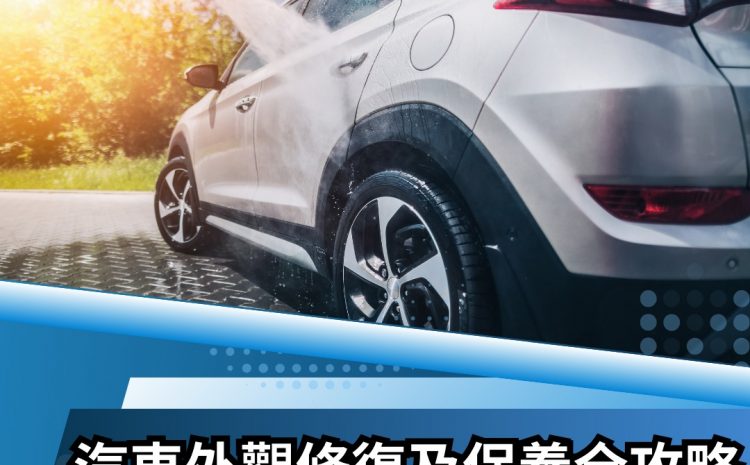
Car Exterior Repair and Maintenance Guide – Keep Your Car Looking New
ArticleIntroduction
A car’s exterior is the part every owner cares about most, but whether through daily use or an unexpected minor accident, the bodywork will inevitably pick up various forms of damage. This article explains in detail how to carry out car exterior repair and maintenance effectively, ensuring your car always looks brand new. Finally, we introduce our professional repair techniques and services to help you solve all car exterior problems and restore your car’s shine.
Common Types of Car Exterior Damage
Scratches and Scrapes
Scratches and scrapes are the most common types of car exterior damage. Whether caused by carelessness when parking or minor friction during everyday driving, they can leave marks on the bodywork. These scratches and scrapes not only affect the vehicle’s appearance but can also expose the metal beneath, making it more vulnerable to environmental corrosion.
How to Deal with Scratches and Scrapes?
- Minor Scratches: You can use professional polish and a repair pen, as these products can effectively fill and conceal minor scratches.
- Moderate Scratches: If the scratch has penetrated the clear coat but not reached the primer, local sanding and repainting may be required to restore the bodywork’s original appearance.
- Severe Scratches: When a scratch reaches the metal layer, it is advisable to seek professional car repair services, which can provide a comprehensive repair solution including filling, sanding and repainting.
Why Should Scratches and Scrapes Be Repaired Promptly?
Repairing this damage promptly not only maintains the vehicle’s appearance but also prevents further harm. For example, unrepaired scratches can trap dirt and moisture, which may lead to rust and corrosion, affecting the vehicle’s durability and value.
Tips for Preventing Scratches and Scrapes
- Park Carefully: Choose a spacious parking space and avoid getting too close to other vehicles.
- Use a Paint Protection Film: Applying a transparent protective film to the bodywork can effectively prevent minor scratches and scrapes.
- Wash Your Vehicle Regularly: Keep the bodywork clean to prevent dirt and sand from scratching the paint during washing.
These measures not only reduce the occurrence of scratches and scrapes but also extend the life of the exterior, keeping your car looking new for longer.
Expert Opinion:
According to advice from renowned car repair experts John Smith and Barry, minor scratches can be treated with professional polish and a repair pen, while deep scratches require professional repair. John Smith notes: “Even minor scratches, if not treated promptly, can lead to rust and further damage.”
[Mastering Car Scratch Repair: Types, Solutions, and Expert Advice]
[The Paint Scratch Dilemma: DIY Fix or Professional Body Shop? – Barry’s Auto Body]
Professional Data:
According to data in the Automotive Repair and Maintenance Guide, scratches and scrapes are the most common exterior problem encountered by car owners, accounting for 40% of all repair cases
Collisions and Dents
Collisions and dents are among the more serious types of body damage, usually caused by traffic accidents, parking mistakes or other external impacts. These forms of damage not only affect the vehicle’s appearance but can also harm the body structure, thereby affecting driving safety.
How to Handle Collisions and Dents
- Minor Dents: For minor dents that do not affect the body structure, paintless dent repair (PDR) can be used, which involves pushing the dent out from behind with professional tools without the need for repainting.
- Moderate Damage: If a dent is accompanied by minor scratches or paint damage, the dent may need to be repaired first, followed by local sanding and painting to restore a consistent finish to the bodywork.
- Severe Collisions: When the dent is deeper and even affects the vehicle’s body structure, it is advisable to seek professional car repair services. They can carry out detailed inspection and repair, including welding, sanding and a full respray, ensuring the vehicle is restored to its best condition.
Why repair collisions and dents promptly?
- Safety considerations: Unrepaired dents can weaken the body structure, reduce protection in a collision and increase driving risk.
- Appearance: Prompt repair keeps the vehicle looking neat and enhances its overall value.
- Preventing further damage: If dents and paint damage are not dealt with promptly, they can easily worsen, leading to rust and corrosion.
Tips for preventing collisions and dents
- Drive safely: Follow traffic rules, avoid sudden braking and rapid lane changes to reduce the risk of collision.
- Park carefully: Choose safe and spacious parking spaces, and avoid parking too close to other vehicles or obstacles.
- Use parking assistance devices: Devices such as reversing sensors and cameras can effectively help drivers avoid collisions when parking and reversing.
Through these methods, the occurrence of collisions and dents can be reduced, keeping the vehicle’s structure and appearance intact and extending your car’s service life.
Expert opinion:
Dr. Emily Johnson, a professor at an automotive repair school, says that repairing collisions and dents requires professional tools and techniques, and paintless dent repair (PDR) is an effective way to deal with minor dents. “PDR technology can precisely repair the dented area without damaging the paintwork, preserving the vehicle’s original appearance.”
Professional reference:
According to the Automotive Paint and Coating Technology Manual, using environmentally friendly water-based paint can reduce VOC emissions and is kinder to the environment.
Paint peeling and fading
Paint peeling and fading are common problems arising from long-term vehicle use and environmental factors. Such damage not only makes the vehicle look old, but can also expose the underlying material and lead to further damage.
Causes of paint peeling and fading
- Environmental factors: Prolonged exposure to sunlight, rain and pollutants can cause car paint to age and fade easily.
- Mechanical damage: Scratches and collisions in daily use can cause paint to peel.
- Improper maintenance: Using poor-quality cleaners or over-polishing can also accelerate paint ageing and peeling.
Repair methods for paint peeling and fading
- Localised repair: For small areas of peeling paint, local sanding and respraying can be carried out to restore a smooth surface and consistent colour.
- Full vehicle respray: If large areas of the bodywork have faded or peeled, a full respray may be needed to ensure a consistent and durable overall appearance.
- Use high-quality paint: Choosing high-quality paint and professional spraying techniques can extend the paint’s service life and reduce fading and peeling.
Why repair paint problems promptly?
- Appearance: Repairing peeling and faded paint enhances the vehicle’s appearance, making it look newer and more valuable.
- Protecting the bodywork: An intact paint layer protects the underlying material from environmental factors and reduces the risk of rust and corrosion.
- Increased value: Keeping your vehicle looking good can increase its value on the second-hand market.
Tips for preventing paint peeling and fading
- Wax regularly: Waxing gives the paintwork a protective layer, reducing the direct effects of sunlight and pollutants.
- Avoid exposure: Where possible, park in the shade or use a car cover to reduce prolonged exposure to sunlight.
- Use quality cleaning products: Choose professional car cleaning products and avoid corrosive chemicals.
Through these measures, you can effectively reduce paint peeling and fading while keeping your vehicle looking good and retaining its value.
Rust and corrosion
Rust and corrosion are among the more serious forms of cosmetic and structural damage to a vehicle, and are especially common in damp and rainy environments. If left untreated, these problems can lead to structural damage and affect driving safety.
Causes of rust and corrosion
- Environmental factors: Prolonged exposure to damp, high-salinity environments makes metal parts prone to oxidation and rust.
- Damage left unrepaired: Scratches and dents that are not repaired promptly leave the metal exposed to air and moisture, causing rust to form.
- Improper maintenance: Using poor-quality cleaning products or cleaning irregularly can also speed up the rusting and corrosion process.
How to repair rust and corrosion
- Surface treatment: For light surface rust, you can sand the area down, then apply rust-proof treatment and repaint.
- Localised replacement: If the rust and corrosion are severe, damaged parts such as the bottom of the doors or the chassis may need to be replaced.
- Rust-proof treatment: Use professional rust inhibitors and primer on the rusted areas to prevent further corrosion.
Why should rust and corrosion be dealt with promptly?
- Safety considerations: Rust and corrosion weaken the body structure and affect driving safety, particularly in load-bearing areas.
- Appearance: Prompt treatment keeps the vehicle looking tidy and prevents rust spots from spoiling its appearance.
- Longer lifespan: Preventing rust and corrosion extends the vehicle’s service life and reduces repair costs.
Tips for preventing rust and corrosion
- Wash your vehicle regularly: Especially after the rainy or snowy season, wash the underside of the vehicle to remove salt and grime.
- Apply a rust-proof coating: Apply a rust-proof coating to the undercarriage and areas prone to rust for extra protection.
- Repair damage promptly: Damage such as scratches and dents should be repaired promptly to prevent the metal from becoming exposed.
Through these measures, rust and corrosion can be effectively prevented, keeping the vehicle’s structure and appearance in good condition and ensuring driving safety.
Expert opinion:
Rust prevention expert Michael Brown recommends that regular inspections and prompt treatment of bodywork scratches are effective measures for preventing rust. “Rust and corrosion can weaken the vehicle’s structure, and repairing damage promptly can effectively extend the vehicle’s service life.”
Professional data:
According to research by the Automotive Rust Prevention Association (ARPA), regular use of anti-rust coatings can reduce the risk of rust by 80%
Basic Steps in Vehicle Exterior Repair
Initial Inspection and Assessment
Before carrying out any repair work, it is essential to conduct a detailed initial inspection and assessment of the vehicle body. This step helps determine the extent and severity of the damage and formulate an appropriate repair plan.
Key Points of the Initial Inspection
- Location of damage: Determine the specific location of the damage, such as the doors, roof, bumpers, etc.
- Type of damage: Determine the type of damage, whether it is a scratch, dent, rust, etc.
- Depth of damage: Assess the depth of the damage to determine whether it involves the vehicle body structure or primer layer.
- Other issues: Check for any other related issues, such as damage to electrical components or internal structures.
What the Assessment Covers
- Difficulty of repair: Based on the type and extent of the damage, assess the difficulty of the repair and the time required.
- Repair cost: Estimate the material and labour costs required for the repair and provide an accurate quotation.
- Repair plan: Based on the inspection results, formulate a specific repair plan, including the required techniques and processes.
Repairing Dents and Scratches
For different types of damage, using appropriate repair techniques and methods is key to ensuring a good repair result. The following are the main steps for repairing dents and scratches:
Methods for repairing dents
- Paintless dent repair (PDR): Using professional tools to push the dented area flat from the inside, suitable for minor dents where the paint surface is not damaged.
- Filling and sanding: For deeper dents, fill them first, then use sanding tools to smooth the surface.
Methods for repairing scratches
- Surface sanding: Use sandpaper or a sander to smooth the paintwork around the scratch.
- Filling scratches: Use repair compound or filler to fill deep scratches, then sand flat once dry.
- Spraying primer and topcoat: Spray the primer and topcoat according to the original factory paint colour to ensure a consistent colour.
Paint colour matching and spraying
Accurate paint colour matching and professional spraying techniques are essential to achieving a quality repair. The main steps are as follows:
The paint colour matching process
- Colour matching: Use a computerised colour matching system to match the original factory colour and ensure consistency.
- Mixing the paint: Based on the colour matching results, mix the required amount of paint.
Spraying steps
- Masking and protection: Use masking materials to protect areas of the bodywork that are not being painted and prevent paint contamination.
- Spraying the primer: Spray the primer first to fill sanding marks and improve the adhesion of the topcoat.
- Spraying the topcoat: Apply multiple coats of topcoat, allowing each coat to dry before the next, to ensure a smooth, even finish.
- Sanding and polishing: Finally, sand and polish the paintwork to make it smooth and look like new.
Final protective layer and sanding
After the paint repair is complete, applying a protective layer and sanding are key steps to ensuring the quality and durability of the repair.
The role of the protective layer
- Protection: The protective layer effectively guards against UV rays, acid rain and other environmental contaminants.
- Enhancing gloss: It enhances the gloss of the bodywork, making it look brighter and newer.
The sanding and polishing steps
- Sanding: Use fine sandpaper or a sander for detailed sanding to ensure a smooth, blemish-free surface.
- Polishing: Use a professional polish and polishing machine to polish several times and achieve a mirror-like finish.
These basic steps ensure the quality of the car’s exterior repair and restore the vehicle to its best condition.
Choosing the right repair techniques and materials
Traditional repair techniques
Traditional repair techniques rely on manual work and experience, and are suitable for repairing general scratches and dents. Although these techniques are relatively simple, they can still be very effective in certain situations.
Advantages of traditional repair techniques
- Lower cost: Traditional techniques do not require high-tech equipment, so repair costs are relatively low.
- Operational flexibility: Repair technicians can flexibly adjust their methods according to the specific situation.
- Wide range of applications: Can handle a variety of common bodywork damage.
Drawbacks of traditional repair techniques
- Limited precision: Manual work may not be as precise as modern techniques, especially in colour matching and surface finishing.
- More time-consuming: Manual work takes longer and may extend the repair timeline.
Modern repair techniques
Modern repair techniques use advanced equipment and tools to deliver more efficient and precise results, making them suitable for a wide range of complex and severe damage.
Advantages of modern repair techniques
- High precision: Laser measurement and computerised colour matching can achieve highly accurate repair results.
- High efficiency: Automated equipment and tools can significantly shorten repair times and improve work efficiency.
- Long-lasting results: Modern techniques can provide longer-lasting repair results and extend the vehicle’s service life.
Drawbacks of modern repair techniques
- Higher costs: The use of high-tech equipment and tools increases repair costs.
- Reliance on equipment: It requires specialist equipment and technicians, and places higher demands on the repair environment.
Advantages and drawbacks of different materials
A wide variety of materials are used in automotive repair, each with its own characteristics and suitable applications. Choosing the right material can effectively improve repair results.
Metal materials
- Advantages: High strength and good durability make it suitable for repairing structural areas of the body.
- Drawbacks: Heavier, prone to rust and requires rust-proofing treatment.
Plastic materials
- Advantages: Lightweight and corrosion-resistant, suitable for repairing exterior trim components.
- Drawbacks: Lower strength and prone to cracking, so not suitable for structural areas.
Composite materials
- Advantages: Combines strength and durability with low weight, suitable for repairing high-performance vehicles.
- Drawbacks: Higher cost and a more complex repair process.
Eco-friendly Repair Solutions
As environmental awareness grows, an increasing number of repair techniques and materials are emphasising eco-friendliness. Choosing eco-friendly repair solutions is not only environmentally friendly but can also deliver high-quality repair results.
Eco-friendly Repair Techniques
- Water-based paint: Using water-based paint instead of traditional solvent-based paint reduces volatile organic compound (VOC) emissions.
- Renewable materials: Using renewable and recyclable materials reduces the waste of resources.
- Low-energy equipment: Using low-energy repair equipment lowers energy consumption.
Advantages of Eco-friendly Repair
- Reduced pollution: Eco-friendly repair techniques can effectively reduce pollution of air and water sources.
- Improved health: Using non-toxic and harmless materials and techniques safeguards the health of repair staff and vehicle owners.
- Regulatory compliance: Eco-friendly repair complies with increasingly stringent environmental regulations and standards.
Choosing the right repair techniques and materials is key to ensuring repair quality and extending the vehicle’s lifespan. By understanding the pros and cons of different techniques and materials, you can choose the best repair solution for the specific situation.
Routine Body Maintenance Measures
Regular washing and waxing
Regular washing and waxing are important measures for maintaining your vehicle’s appearance and protecting its paintwork. These basic maintenance steps can effectively prevent damage to the paintwork from pollutants and extend its lifespan.
Steps for Regular Washing
- Use a professional cleaning product: Choose cleaning products designed specifically for cars and avoid household cleaners containing harsh chemical ingredients.
- Rinse thoroughly: Rinse the bodywork thoroughly with a high-pressure washer, paying particular attention to the underbody and wheel arches, where dirt and salt can accumulate.
- Wash with a soft sponge: Wash the bodywork with a soft sponge or wash mitt, avoiding scratches to the paintwork.
Benefits of Waxing
- Protects the paintwork: Waxing forms a protective layer on the paintwork surface, effectively guarding against UV rays, acid rain and other pollutants.
- Enhances shine: Waxing makes the bodywork surface shinier and improves the vehicle’s appearance.
- Reduces water marks: After waxing, water beads slide off the bodywork more easily, reducing the formation of water marks.
Steps for Waxing
- Choose a suitable wax: Choose a suitable wax product based on the type of paintwork, such as liquid wax, solid wax and spray wax.
- Apply evenly: Apply the wax evenly with a clean sponge or wax cloth, avoiding applying too much or too little.
- Allow to dry: Let the wax dry on the bodywork surface for a period, usually ranging from a few minutes to ten minutes.
- Polishing: Wipe the bodywork with a clean microfibre cloth or polishing cloth until the surface is smooth and glossy.
Using a protective cover (car cover) and parking in an indoor car park
Using a protective cover (car cover) and a garage is an important way to protect your vehicle from environmental damage, especially in harsh weather and during long periods of parking.
Protective cover(car cover) benefits
- Prevents UV damage: The protective cover blocks UV rays, reducing fading and ageing of the paintwork.
- Dust and dirt protection: The protective cover effectively prevents pollutants such as dust, bird droppings and tree sap from adhering to the bodywork.
- Prevents minor scratches: The protective cover provides a degree of physical protection, reducing the occurrence of minor scratches.
Benefits of parking in an indoor car park
- All-weather protection: An indoor car park provides all-weather protection against sun, rain and other environmental factors.
- Improved security: An indoor car park helps prevent theft and vandalism, enhancing the security of your vehicle.
- Extends vehicle lifespan: For vehicles parked indoors over the long term, the ageing of both exterior and internal components is greatly slowed.
Regular inspection and maintenance
Regular inspection and maintenance are important measures for preserving your vehicle’s performance and appearance, allowing potential issues to be identified and addressed promptly before small problems develop into major faults.
Items to inspect
- Paintwork condition: Check the paintwork for scratches, fading or peeling.
- Bodywork structure: Check the bodywork for dents, rust or other structural damage.
- Chassis condition: Check the chassis for accumulated mud, salt or rust.
- Lights and glass: Check the lights and glass for damage or scratches.
Maintenance tasks
- Repair damage promptly: Any scratches, dents or other damage found should be repaired promptly.
- Replace worn parts: Parts that are worn or damaged, such as wipers and lights, should be replaced promptly.
- Anti-rust treatment: For any rust spots found, anti-rust treatment and repairs should be carried out.
Avoid prolonged exposure to sunlight
Prolonged exposure to sunlight accelerates the ageing of paintwork and interior trim, reducing the vehicle’s appearance and value.
Effects of sun exposure
- Paint fading: UV rays accelerate the fading and ageing of paintwork, causing the bodywork to lose its shine.
- Interior trim ageing: Ultraviolet rays in sunlight cause interior trim materials, such as seats and dashboards, to age and become brittle.
Ways to avoid prolonged exposure
- Park in the shade: Where possible, park in the shade to avoid prolonged exposure to sunlight.
- Use window sunshades: Use window sunshades when parking to reduce direct sunlight on the interior.
- Wax regularly: Regular waxing adds a protective layer to the paintwork, effectively guarding against UV damage.
Through these routine maintenance measures, you can effectively maintain the vehicle’s appearance and performance and extend its service life.
How to choose a professional car repair service
Assess the service provider’s qualifications and experience
Choosing a professional car repair service provider is key to ensuring the quality and effectiveness of repairs. Below are the main methods for assessing a service provider’s qualifications and experience:
Qualifications and certifications
- Professional certifications: Check whether the provider holds relevant professional certifications, such as automotive repair technician certification.
- Legal operation: Ensure the provider holds a valid business licence and is registered with the relevant authorities.
Experience assessment
- Years in the industry: Find out how long the provider has been in business; an experienced repair shop can usually provide a more professional service.
- Past cases: Review the provider’s previous repair cases to assess their repair results and technical standards.
- Professional skills: Ask about the technicians’ professional backgrounds and skills training to ensure they have extensive repair experience and skills.
Understand the repair process and techniques used
Understanding the repair process and the techniques used in detail helps you choose the most suitable repair service and ensures repair quality and results.
Repair process
- Inspection and assessment: The provider should supply a detailed inspection and assessment report setting out the damage and the repair plan.
- Repair plan: Based on the inspection results, draw up a specific repair plan that clearly defines the procedure for each step.
- Repair process: Learn about the tools and materials used in the repair process to ensure they meet standards and specifications.
Techniques used
- Modern repair techniques: Ask whether the service provider uses advanced repair techniques, such as paintless dent repair (PDR), computerised colour matching, and more.
- Environmentally friendly techniques: Find out whether environmentally friendly repair techniques and materials are used to reduce environmental impact.
- Technology updates: Confirm whether the service provider regularly updates its technical equipment to stay ahead.
Customer reviews and reputation
Customer reviews and reputation are important considerations when choosing a professional repair service. Positive reviews and reputation reflect the reliability and professionalism of the service provider.
Check reviews
- Online reviews: Check customer reviews on online platforms such as Google reviews, Facebook and others to learn about other customers’ genuine experiences.
- Social media: Search social media for reviews of the service provider to understand its reputation within the community.
Take a look now at our partners’ Facebook, IG and website. Plenty of positive reviews and quality guaranteed!
Cheung Shing Car Rental– Professional car spray painting and repair
https://www.facebook.com/GWPCARFIX
Cheung Shing Car Rental
Reputation research
- Recommendations from friends: Ask friends or family whether they recommend any repair services; their experience can provide a reliable reference.
- Car owner clubs: Join car owner clubs or forums to learn about other owners’ recommendations and reviews.
Price and service guarantees
Understanding the price and guarantee terms of repair services helps you choose a cost-effective service and ensures repair quality and customer rights.
Price comparison
- Multiple quotes: Ask multiple repair service providers for quotes, compare them and choose a reasonable price.
- Transparent pricing: Confirm whether the quote includes all repair items and material costs to avoid hidden charges.
Service guarantees
- Quality assurance: Find out whether the service provider offers a quality guarantee to ensure the repair lasts.
- After-sales service: Confirm whether comprehensive after-sales service is provided, such as free inspections, repair warranties, and more.
- Return and exchange policy: Understand the service provider’s return and exchange policy, ensuring reasonable recourse if the repair results fall short of expectations.
Choosing a professional car repair service ensures repair quality and results, extends the vehicle’s service life, and enhances its appearance and value. Using the methods above, you can find the most suitable repair service provider and keep your car in pristine condition.
Our premium repair techniques and services
High-precision inspection and assessment
Our service begins with high-precision inspection and assessment to ensure a comprehensive, accurate diagnosis of every area of damage, allowing us to devise the optimal repair plan.
Our inspection and assessment process
- Comprehensive inspection: Advanced inspection equipment is used to carry out a comprehensive inspection of the vehicle body inside and out, including hidden areas of damage.
- Detailed assessment: Based on the inspection results, a detailed damage assessment report is provided, outlining the extent of damage and repair difficulty.
- Professional advice: Based on the assessment results, professional repair recommendations and a detailed repair plan are provided to ensure the best possible repair outcome.
WhatsApp enquiry【HK Tesla Repair in-house workshop】
Precise colour matching and professional spray painting
Our precise colour matching and professional spray painting techniques ensure the repaired body colour matches the original factory finish, giving your car a fresh, like-new look.
Colour matching technology
- Computerised colour matching system: An advanced computerised colour matching system is used to precisely measure the original paint colour, ensuring the new paint blends seamlessly with the factory finish.
- Professional colour adjustment: Experienced colour technicians use the colour matching data to adjust the colour by hand, ensuring consistency and evenness.
Spray painting techniques
- High-quality paint: High-quality eco-friendly paint is used to ensure a durable finish with a brilliant gloss.
- Multi-layer spraying: A multi-layer spraying process is used, with each layer applied evenly and fully dried to ensure a smooth, seamless finish.
- Professional equipment: Advanced spraying equipment is used to ensure the paint adheres evenly during the spraying process, leaving no missed areas.
Repair techniques
- Welding techniques: For areas of severe damage, professional welding techniques are used to ensure the structural strength and safety of the vehicle body.
- Eco-friendly repair solutions: We use eco-friendly materials and techniques to reduce environmental impact while delivering high-quality repair results.
WhatsApp enquiry【HK Tesla Repair in-house workshop】
Professional sanding techniques
Professional sanding is a key stage in the car repair process, effectively addressing scratches, dents, and uneven paintwork. The following are several important aspects of professional sanding techniques:
- Surface preparation: Before sanding, the damaged area must first be cleaned and prepared. This includes removing any grease, dirt, and old paint to ensure the sanding process is not affected by contaminants.
- Progressive sanding: Professional technicians use sandpaper or sanding discs of different grits, sanding progressively from coarse to fine. This gradually levels the surface and avoids secondary damage caused by over-sanding. Coarse-grit sandpaper is used to remove larger amounts of material, while fine-grit sandpaper is used for precision sanding and polishing.
References: [Auto Repair Trends: Albion Auto’s Innovative Edge]
- Edge treatment: When sanding edges and detail areas, particular care is required to avoid excessive edge wear. Use specialised tools and techniques to ensure smooth transitions and consistency in these areas.
- Wet sanding technique: Wet sanding can effectively reduce dust during the sanding process and improve surface smoothness. At the same time, wet sanding also helps lower the temperature, preventing damage to the paintwork from excessive friction heat.
References: [Some of the Biggest Auto Repair Industry Trends To Take Advantage of in 2024]
- Polishing treatment: After sanding is completed, polishing is an essential step. Using a professional polishing machine and polish can achieve a mirror finish on the bodywork, enhancing overall appearance and protection.
References: [Driving into Tomorrow: Unveiling Automotive Tech Trends in 2024 | Espire Blog]
- Protection and maintenance: After sanding and polishing, to protect the repair results, it is recommended to wax and seal the bodywork. This increases the durability of the paintwork and prevents environmental factors from eroding it.
References: [Auto Repair Trends: Albion Auto’s Innovative Edge]
Comprehensive after-sales service and guarantees
We provide comprehensive after-sales service and guarantees to ensure your car remains in optimal condition for the long term after repair, giving you complete peace of mind.
After-sales service
- Complimentary inspection: We provide a complimentary post-repair inspection to ensure the repair results last.
- Regular maintenance advice: Based on your vehicle’s usage, we provide professional maintenance advice to help you keep it in pristine condition.
Quality assurance
- Warranty service: We provide warranty service for all repair work; if a problem arises within the warranty period, repairs are free of charge.
- Customer support: Our customer service team is always available to answer any questions and provide professional technical support.
Choose our top-tier repair techniques and services to give your car a renewed look and keep it in optimal condition for the long term. We are committed to providing the most professional and reliable car repair services, ensuring every customer’s satisfaction and peace of mind.
Frequently Asked Questions (Q&A)
Q1: Why does my car get scratches and marks?
A1: Scratches and marks are usually caused by minor collisions or accidental scrapes during daily use. For example, bumping into other vehicles or obstacles while parking, or contact with other objects when driving in tight spaces. In addition, using unsuitable tools when washing the car can also scratch the surface.
Q2: How do I know if my car needs collision repair?
A2: If there is obvious denting or damage to the bodywork, or noticeable paint peeling, your car may need collision repair. An initial inspection includes checking the symmetry of the body, and how the doors and bonnet open and close. A professional assessment can help determine the severity of the damage and provide a suitable repair plan.
Q3: What impact does peeling paint have on a vehicle?
A3: Peeling paint not only affects the vehicle’s appearance but can also expose metal parts to the air, leading to rust and corrosion. This further affects the vehicle’s structure and durability, increasing repair costs. Regular inspections and timely repairs are key to preventing further damage.
Q4: What are the main causes of rust and corrosion?
A4: Rust and corrosion are mainly caused by metal parts being exposed to moisture, salt and other corrosive substances for prolonged periods. The parking environment (such as damp conditions or proximity to the sea) and weather conditions also affect the rate of rusting. Using rust inhibitors and washing regularly can effectively reduce the risk of rust.
Q5: What simple measures can be taken for routine bodywork maintenance?
A5: Regular washing and waxing can protect the paint and prevent the build-up of dust and dirt. Using a protective cover and parking in an indoor car park can reduce damage from the external environment. Regular inspections and maintenance can help identify and address potential issues early, such as small scratches and dents.
Q6: How can I assess the quality of a car repair service?
A6: You can assess its quality by reviewing the service provider’s qualifications and experience, understanding their repair process and the techniques used, referring to customer reviews and reputation, and comparing prices and service guarantees. Choose a provider with a good reputation and transparent pricing to ensure repair results and after-sales protection.
WhatsApp enquiry: HK Tesla Repair in-house workshop
To keep your car in peak condition at all times, we offer a range of premium repair techniques and services, including high-precision inspections, accurate colour matching, professional respraying and advanced repair equipment. Whether it is a minor scratch or a major collision, we can help restore your car to a like-new condition.
Explore more useful car care information
If you would like to learn more tips and knowledge about car maintenance, please see our other articles:
- Why do you need to turn on the air conditioning when Tesla Supercharging?
- Essential Summer Driving Guide | Expert Advice on Improving Car Air Conditioning Performance and Eliminating Odours
With this useful information, you can better protect and maintain your car, ensuring it stays in peak condition in every respect.
WhatsApp Enquiry 【HK Tesla Repair In-House Workshop】