

Essential Driving Tips for New Drivers | Improve Your Driving Skills and Confidence
Intro
Whether you have just got your licence or are a beginner who has been on the road for a while, improving your driving skills and confidence is key to driving safely. This article offers a range of practical driving tips to help you handle different road conditions with greater ease, sharpen your driving technique and boost your confidence, making every journey safer and more enjoyable.
Basic Driving Techniques
Using Your Mirrors Correctly
The Importance of Adjusting Your Mirrors
Using your mirrors correctly is fundamental to safe driving. Mirrors are mainly used to observe traffic behind you, helping you make sound judgements when changing lanes, reversing and merging into a lane. For new drivers, knowing how to adjust and use your mirrors properly is essential.
How to Adjust Your Mirrors Correctly
- Interior mirror: When adjusting the interior mirror, make sure the rear window is fully visible in the mirror and that you can clearly see what is behind the car. The interior mirror should cover the central portion of the lane behind you, so you can take in the traffic behind at a glance while driving.
- Wing mirrors: Adjusting the wing mirrors requires avoiding blind spots. When you are sitting in the driver’s seat with your head in a normal driving position, the wing mirrors should show a small part of the side of the car as well as a wider view of the lane. The left mirror should be angled slightly further out to show more of the lane, while the right mirror should be adjusted so you can see the lane close to the right side of the car.
Avoiding Blind Spots
A blind spot is an area that you cannot see in your mirrors while driving, and it is one of the main causes of traffic accidents. To reduce the impact of blind spots, new drivers can check their mirrors several times before changing lanes or turning, and supplement this with a quick shoulder check to make sure there is no hidden vehicle in the lane.
Building Good Habits
Checking your mirrors regularly is a good habit for safe driving. New drivers should check their mirrors every few seconds to stay aware of the traffic behind them, especially before changing lanes, turning, slowing down or accelerating. This not only improves your reaction time but also reduces the risk of an accident.
Mastering Steering Techniques
The Importance of Steering Technique
Correct steering technique is one of the core skills every driver must master, especially new drivers. Whether you are turning, making a U-turn in everyday driving, or steering around an obstacle in an emergency, good steering technique not only improves safety but also makes the car feel smoother and more precise to control.
Basic Steering Techniques
- Hold the steering wheel with both hands: The most common grip is the ‘9 o’clock–3 o’clock’ position, with your left hand at the 9 o’clock position on the left side of the wheel and your right hand at the 3 o’clock position on the right. This grip gives you the best control and stability when steering, particularly during sharp turns or emergency avoidance manoeuvres.
- Turn the steering wheel smoothly: When turning the wheel, keep your movements smooth rather than jerky. For small adjustments, you can use the ‘push-and-pull’ method: one hand pushes the wheel while the other pulls, giving you more precise control over how much you steer and helping you avoid over- or under-steering.
- Control how much you steer: Different speeds require different amounts of steering. At low speeds (such as parking or driving on narrow streets), you need to turn the wheel more, while at higher speeds only a small steering angle is needed. Drivers should therefore adjust their steering input according to speed and road conditions.
Handling Common Steering Situations
- Turning: When turning, indicate early to let other drivers and pedestrians know, and slow down appropriately before entering the bend. Once in the bend, accelerate gently and turn the wheel smoothly to keep the car on a stable line.
- U-turns: A U-turn usually requires a larger steering angle, so it is best to choose a wide, quiet location with little traffic. Make sure no vehicles are approaching before you begin, and keep your speed low during the manoeuvre so you can control the car more easily.
- Steering around obstacles: When you encounter an obstacle on the road (such as a parked car or a pothole), first judge whether your direction of travel is safe enough, then turn the steering wheel gently to go around it while maintaining a steady speed, avoiding any sudden change of direction or braking.
Mistakes to Avoid
- Avoid ‘sawing’ at the wheel: Novice drivers often make the mistake of ‘sawing’ at the wheel, turning the steering wheel quickly and sharply while steering. This not only increases the risk of losing control of the vehicle, but may also cause rapid tyre wear.
- Avoid steering with one hand: Although steering with one hand may seem convenient in some situations, it greatly reduces the driver’s control over the vehicle, particularly in emergencies, where it can easily lead to understeering or oversteering.
Developing Good Habits
Keep practising the correct steering techniques and internalise them as habits in your everyday driving. Novice drivers can reinforce these skills through repeated practice in a safe environment (such as a driving school training ground or an empty stretch of road).
Controlling Acceleration and Deceleration
The Importance of Acceleration and Deceleration
Smooth control of acceleration and deceleration is a key factor in driving safety and passenger comfort. For novice drivers, mastering how to accelerate and decelerate appropriately not only helps to avoid the dangers of abrupt manoeuvres, but also improves the driving experience, making it smoother and more effortless.
Smooth Acceleration Techniques
- Accelerate gradually: When accelerating, increase pressure on the accelerator gradually rather than stamping on it. This prevents the vehicle from lurching forward suddenly and keeps the ride smooth. This is especially true when setting off, as gradual acceleration allows the vehicle to start steadily, avoiding wheelspin or the dangers of sudden acceleration.
- Appropriate speed: How quickly you accelerate should be determined by the current road conditions, the condition of the vehicle and the traffic situation. For example, you may increase your speed appropriately on a motorway, but on congested urban roads or slippery surfaces you should keep to a lower speed.
- Anticipate early: Anticipating the traffic conditions ahead allows you to act more calmly when you need to accelerate. For example, when you see the vehicles ahead beginning to move away from a red light, you can gently press the accelerator early to maintain a safe distance from the car in front.
Deceleration Control Techniques
- Smooth deceleration: When slowing down, ease off the accelerator gradually, then press the brake lightly to decelerate smoothly. This reduces discomfort for passengers and lessens the risk of a rear-end collision caused by sudden deceleration.
- Anticipatory deceleration: When approaching a red light, a bend or a congested section, slow down early and allow yourself enough time and distance to reduce your speed smoothly. This avoids sudden braking and keeps your driving flowing.
- Use engine braking: When driving down a long slope or at high speed, you can use engine braking (shifting to a lower gear) to help slow down. This reduces the load on the braking system and extends the life of the brake pads.
Mistakes to Avoid
- Avoid harsh acceleration and braking: Harsh acceleration and braking not only make passengers uncomfortable, but also increase wear on the tyres and the braking system, and may lead to accidents. Such manoeuvres should therefore be avoided as far as possible.
- Avoid ignoring the vehicle’s power: Some novice drivers may focus so much on steering that they overlook changes in the vehicle’s power. For example, failing to decelerate or accelerate appropriately when cornering can cause loss of control. Drivers should therefore pay constant attention to the vehicle’s power and adjust accordingly.
Developing Good Habits
– Practise regularly: Novice drivers should regularly practise accelerating and decelerating in a safe environment, particularly in different road and weather conditions, to improve the consistency and safety of their driving skills.
– Stay focused: While driving, you should remain focused at all times, anticipate the road conditions ahead and make appropriate acceleration or deceleration adjustments.
Strategies for Building Confidence
The Importance of Driving Practice
The Need for Continuous Practice
Improving your driving skills depends not only on learning driving theory and techniques, but more importantly on consolidating that knowledge through actual driving. For novice drivers, continuous driving practice significantly improves driving skills, builds confidence and helps them make the right driving decisions in all kinds of road conditions.
Building Confidence Behind the Wheel
- Gradually increase the level of driving difficulty: novice drivers should start by practising in simple road conditions, such as areas with lighter traffic or familiar routes. As their skills improve, they can gradually increase the difficulty, for example by driving in busy urban areas, at night or in adverse weather conditions. This gradual approach helps drivers build confidence step by step, so that one difficult driving experience does not set them back.
- Practise the basic skills repeatedly: Repeatedly practising fundamental driving skills such as moving off, stopping, turning and reversing allows novice drivers to become familiar with how the vehicle handles and to respond with ease in different situations. Once these basic skills become muscle memory, drivers can focus more on decision-making in complex road conditions.
Practice and Accumulating Driving Experience
- Simulate real driving scenarios: Try to simulate real driving situations during practice, such as long-distance driving, handling lane changes across multiple lanes and dealing with congested traffic. This helps drivers cope better with the challenges of everyday driving.
- Keep a record of your driving experience: Maintain a driving journal and note how you felt and what problems you encountered on each drive. This helps drivers reflect on their driving behaviour and improve gradually. When you face difficulties or feel uneasy, you can look back at the journal, see your progress and strengthen your confidence.
Develop Good Habits
– Regular driving practice: Establish a regular driving practice schedule so that improving your driving skills becomes part of daily life. This not only helps novice drivers gradually master the necessary skills, but also lets them feel more relaxed and at ease in real driving.
– Maintain the right mindset: During practice, it is very important to stay positive and patient. Every driving experience is a learning opportunity; even if you encounter setbacks, do not be discouraged — instead, treat them as a stepping stone to improvement.
References
How to Cope with Driving Anxiety
Common Causes of Driving Anxiety
For novice drivers, driving anxiety is a widespread problem. This anxiety may stem from a variety of factors, such as a fear of complex road conditions, unfamiliarity with operating the vehicle, or feeling uneasy about the behaviour of other drivers. If this anxiety is not managed effectively, it can affect a driver’s performance and increase the risk of accidents.
Practical Techniques for Coping with Driving Anxiety
- Deep breathing and relaxation techniques: If you feel anxious while driving, you can relax yourself with deep breathing. Deep breathing helps reduce physical tension and return your heart rate to normal, thereby easing anxiety. In addition, you can try relaxation techniques such as counting silently in your head or imagining a relaxing scene; these can effectively relieve tension.
- Gradually adapt to the driving environment: Novice drivers should start driving on simple, familiar routes and gradually increase the difficulty. For example, first drive on roads with lighter traffic, then slowly get used to busy urban roads or motorways. This gradual approach helps build confidence step by step and reduces the fear of complex road conditions.
- Driving companion: If possible, take an experienced driver along as a companion, as this provides real-time guidance and psychological support. When you encounter difficulties or feel uneasy, they can offer useful advice and help you stay calm.
- Focus on the present: While driving, concentrate on the driving task at hand rather than thinking about accidents or mistakes that might happen. Focusing on the present driving task helps you avoid overthinking and eases anxiety.
Mental Preparation and Adjusting Your Driving Mindset
- Accept imperfection: Driving is a process of continuous learning and improvement. Every driver makes mistakes, and novices even more so. The key is to learn from mistakes rather than blame yourself excessively. Accepting that you may make mistakes, and viewing them as part of improving your skills, can effectively reduce anxiety.
- Maintain a positive mindset: Stay positive while driving and tell yourself ‘I can do this’ — this kind of self-encouragement can significantly boost your confidence. At the same time, avoid negative self-talk such as ‘I can’t do it’ or ‘This is too difficult’, as these negative thoughts will worsen anxiety.
- Acknowledge your anxiety and seek help: If you find that driving anxiety is seriously affecting your life, consider seeking help from a professional counsellor or driving instructor. They can offer professional advice and techniques to help you manage your anxiety effectively.
Develop good habits
– Practise driving regularly: Keep up the frequency of your driving practice and do not let anxiety make you avoid driving. Regular practice gradually reduces anxiety and strengthens driving confidence.
– Gradually challenge new road conditions: When driving no longer feels so nerve-racking, try new driving challenges, such as unfamiliar routes or adverse weather conditions, which can further boost your confidence.
A positive driving attitude
The impact of a positive attitude on driving
Your driving attitude not only affects your own safety but also has a profound impact on other road users around your vehicle. A positive driving attitude helps novice drivers cope better with the challenges that may arise on the road, strengthens driving confidence and reduces the risk of traffic accidents.
How to cultivate a positive driving attitude
- Stay focused: Positive drivers stay focused on the road and their surroundings at all times, so that they can anticipate potential hazards and react in good time. Focused driving can significantly reduce the likelihood of accidents and make your driving smoother.
- Adapt to change: Road conditions can change at any moment, from sudden shifts in weather to unexpected traffic situations. Positive drivers do not become anxious about these changes; instead, they respond flexibly. For example, when faced with congestion or a road closure, they can calmly choose an alternative route and stay composed.
- Safety first: Positive drivers always put safety first, whether they are overtaking, changing lanes or passing through junctions, taking into account their own safety and that of other road users. For example, they signal in advance, keep a safe following distance and always obey traffic rules.
Practical techniques for a positive attitude
- Stay calm: When faced with provocation or rude behaviour from other drivers, positive drivers remain calm rather than retaliating. This avoids unnecessary conflict and ensures driving safety.
- Learn tolerance and understanding: While driving, you will inevitably come across drivers travelling slowly or unfamiliar with the road conditions. Positive drivers show understanding and wait patiently rather than impatiently sounding their horn or changing lanes frequently.
- Positive self-talk: Encourage yourself regularly while driving, for example by telling yourself “I can handle this situation” or “I can stay calm and focused”. Such positive self-talk helps drivers maintain confidence and control when facing difficulties.
Avoiding mistakes
- Avoid negative thinking: While driving, avoid focusing on possible dangers or past mistakes; instead, concentrate on the current road conditions and your driving. Excessive anxiety or constantly dwelling on mistakes can easily distract you and affect your driving performance.
- Avoid overconfidence: A positive driving attitude is not the same as overconfidence. Novice drivers should recognise their technical limitations and should not attempt driving manoeuvres beyond their ability, such as driving at high speed in complex road conditions or performing difficult overtaking manoeuvres.
Develop good habits
– Regular self-reflection: After driving, reflect on your driving behaviour to see what could be improved and what you did well. This kind of self-reflection helps drivers keep improving and maintain a positive mindset.
– Learn and improve: Positive drivers continually learn new driving skills and road knowledge, and are willing to learn from their own experience. Taking additional driving courses or asking experienced drivers for advice are both good ways to learn.
Safe driving essentials
Maintaining following distance and defensive driving
The importance of maintaining following distance
Maintaining an appropriate following distance is one of the basic principles of safe driving. Whether on urban roads or highways, keeping enough distance from the vehicle in front gives drivers more time to react to unexpected situations, such as the car ahead braking suddenly or an obstacle appearing. This is especially important for novice drivers, whose reaction speed and driving experience are still developing.
How to maintain the correct following distance
- The two-second rule: A simple and effective method is the “two-second rule”. When the vehicle in front passes a fixed object (such as a road sign or a lamp post), start counting to two seconds. If you reach that fixed object two seconds or more later, you have kept a sufficient safe distance from the vehicle in front. This rule applies in all weather and road conditions, but in low-visibility conditions such as rain or fog, you can extend it appropriately to four or five seconds.
- Following distance on the motorway: When driving at high speed, the faster you go, the longer the following distance should be. As a general guide, for every 10 km/h of speed, keep a distance of at least 1 car lengths. For example, if you are travelling at 80 km/h, the distance between you and the vehicle in front should be at least 8 car lengths.
- Following distance in urban driving: In urban driving, because traffic is denser and changes quickly, it is advisable to keep a distance of at least two to three car lengths, so that you have enough time and space to respond if the vehicle in front suddenly slows down or stops.
Defensive driving techniques
Defensive driving is a driving approach that actively prevents accidents, designed to help drivers anticipate and avoid potential hazards in advance.
- Anticipatory driving: At the heart of defensive driving is anticipation, which means predicting in advance what other road users may do. This includes watching the movement of the vehicle in front, expecting that it may suddenly change lanes or brake, and preparing your response in advance.
- Avoiding blind spots: A blind spot is an area at certain angles or positions that a driver cannot see through the rear-view mirrors. Defensive driving requires drivers to avoid staying for long periods in other vehicles’ blind spots, especially on the motorway, so as to prevent accidental collisions.
- Keeping escape space on both sides: Whether on the motorway or on urban roads, keeping enough escape space on both sides of your vehicle is key to defensive driving. In an emergency, this escape space gives you enough time and room to take the correct evasive action and thereby avoid an accident.
Mistakes to avoid
- Avoid tailgating: Tailgating not only increases the risk of a rear-end collision, but also puts more stress on the driver. New drivers should take particular care here; keeping an appropriate following distance makes driving more relaxed and safer.
- Avoid changing lanes frequently: Frequent lane changes increase the risk of a traffic accident, especially when driving at speed. Defensive driving requires drivers to stay steady in their lane and not change lanes readily unless there is a genuine need.
Develop good habits
– Check your mirrors regularly: While driving, you should check your rear-view mirrors regularly to make sure you are keeping a sufficient distance from the vehicles behind, and also keep watching the movement of vehicles on both sides.
– Slow down early: When you approach a junction, traffic lights or other situations where you may need to stop, slow down early and keep an appropriate following distance; this avoids the danger of sudden braking.
Correct use of lights and signs
The importance of lights
Vehicle lights are one of the keys to safe driving: they not only help drivers see the road at night or in bad weather, but also let other road users see your vehicle’s position and direction of travel more clearly. For new drivers, using lights correctly is an essential basic driving skill.
How to use vehicle lights correctly
- Headlights:
– Dipped headlights: When driving at night or in low visibility, you should switch on your dipped headlights to illuminate the road ahead. Using dipped headlights also avoids dazzling oncoming vehicles, keeping both of you safe on the road.
– Main beam: Main beam is suitable for use on unlit or dark rural roads to widen your view ahead. However, when other vehicles approach, you should switch back to dipped headlights immediately so as not to affect their vision.
- Indicators:
– When turning and changing lanes: Before every turn or lane change, you should signal early in the corresponding direction to let vehicles behind and around you know your intentions. It is advisable to indicate at least 3 seconds in advance so that other drivers have enough time to react.
– When overtaking: When overtaking on a motorway or a multi-lane road, you should indicate left in advance to signal to vehicles behind that you intend to overtake. After completing the overtake, indicate right and return to your original lane.
- Hazard lights:
– Stopping warning: When temporarily stopping at the roadside, breaking down or encountering an emergency, you should immediately switch on the hazard warning lights (hazard flashers) to alert other road users to your vehicle’s condition and avoid accidents.
– Adverse weather: In dense fog, heavy rain or heavy snow, when visibility is extremely low, using hazard warning lights can improve your vehicle’s visibility and reduce the risk of collision.
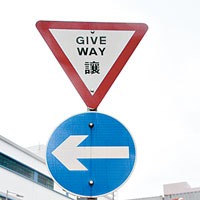
Understanding and using traffic signs correctly
- Understanding common signs:
– Stop sign: The red octagonal stop sign requires drivers to come to a complete stop and confirm that there are no approaching vehicles or pedestrians before proceeding. New drivers should pay particular attention to this sign and ensure they come to a complete stop at every stop sign.

– Speed limit signs: Speed limit signs set the maximum speed for the road and must be obeyed by drivers. Lower speed limits are often posted especially in school zones, residential areas or roadworks, and drivers should adjust their speed according to the signs.
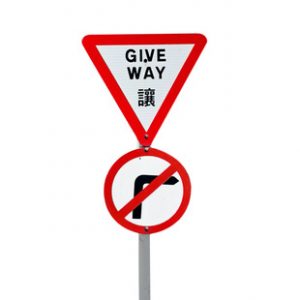
- Responding correctly to sign instructions:
– Priority road signs: These signs are usually used to indicate which road has priority. Drivers should observe and follow these signs carefully to avoid conflicts with other vehicles.
– Instruction signs: Signs such as turn instructions and lane instructions can help drivers understand upcoming changes to the road. New drivers should pay attention to these signs and prepare in advance, such as changing lanes or slowing down.
Avoiding mistakes
- Avoid incorrect use of main beam: Using main beam when meeting oncoming vehicles or following too closely can cause severe glare for other drivers and easily lead to accidents. Main beam should be used with caution, and you should switch to dipped headlights promptly when appropriate.
- Avoid ignoring signs: New drivers can easily overlook important traffic signs in complex road conditions, which may lead to offences or accidents. You should stay highly focused while driving and observe and understand sign instructions promptly.
Developing good habits
– Check lights regularly: Before every journey, drivers should check that all lights are working and can be used normally, especially when driving at night or in adverse weather.
– Learn and update traffic rules: New drivers should regularly learn and update their knowledge of traffic signs and rules to ensure they are fully familiar with the latest road instructions and regulations.
How to respond to emergencies
Staying calm and responding in an emergency
While driving, new drivers may encounter various emergencies, such as brake failure, a tyre blowout or an overheating engine. These situations require drivers to stay calm and react correctly and quickly to ensure their own safety and that of others. Knowing how to respond in an emergency can greatly reduce the likelihood of accidents.
Responding to brake failure
- Assess the situation quickly: When you find that the brakes are not working normally, first stay calm and quickly determine whether the brakes have failed completely or only partially. If the brake pedal becomes hard and cannot be pressed down, this may be a problem with the brake fluid lines. If the brake pedal feels spongy and weak, it may be a brake fluid leak or another issue with the braking system.
- Use engine braking: If the brakes fail, you can slow down by changing to a lower gear (for example, shifting from D to a lower gear). This method of engine braking can effectively reduce the vehicle’s speed while preventing the braking system from coming under excessive pressure.
- Apply the handbrake: Once the vehicle has slowed down, gradually pull the handbrake (do not pull it fully all at once) to slow down further until the vehicle stops. If you are on a downhill section, take particular care when using the handbrake to avoid the vehicle skidding sideways or rolling over.
- Flash your lights and sound the horn: Use the vehicle’s hazard lights and horn to alert nearby vehicles and pedestrians, ensuring there is no collision while you slow down or stop.
- Find a safe place to stop: Once the vehicle’s speed has reduced, you should quickly steer it towards the hard shoulder or another safe area, and avoid stopping in the middle of traffic.
Responding to a tyre blowout
- Maintain steady control: When a tyre blows out, the driver will feel the steering wheel suddenly pull to one side. At this point, grip the steering wheel firmly with both hands, keep the vehicle travelling steadily in its direction, and avoid turning the steering wheel sharply in panic, which could cause you to lose control of the vehicle.
- Slow down gradually: Do not brake immediately; instead, gradually ease off the accelerator and let the vehicle slow down naturally. If the vehicle is equipped with ABS (anti-lock braking system), you can brake lightly to help slow down.
- Safe parking: once the vehicle is stable, slowly steer it towards a safe area at the roadside and stop. Remember to switch on the hazard warning lights to alert other drivers.
- Changing a tyre: if conditions allow, you can change the tyre yourself in a safe area. If you are unsure how to change a tyre, or the location is unsafe, you should contact roadside assistance immediately.
Dealing with an overheated engine
- Stop driving: if you notice the engine temperature is too high (indicated by a temperature warning light or gauge on the dashboard), you should immediately find a safe place to stop and switch off the engine. Continuing to drive may cause serious engine damage.
- Wait for it to cool: let the engine cool down naturally, which usually takes 10 to 20 minutes. Until the engine has fully cooled, never open the radiator cap, as you could be scalded by hot coolant.
- Check the coolant: once the engine has cooled, check the coolant level. If the coolant is low, you can top it up as appropriate. Then restart the engine and see whether the temperature returns to normal. If the problem persists, you should go to the nearest repair workshop for an inspection immediately.
Avoiding mistakes
- Avoid panicking: in an emergency, panicking often leads to poor decisions. New drivers should learn to stay calm, quickly assess the situation and take the right action.
- Avoid reacting blindly: if the brakes fail or a tyre bursts, never slam on the brakes or jerk the steering wheel, as this increases the risk of losing control of the vehicle. Instead, slow down gradually according to the situation and keep the vehicle stable.
Develop good habits
– Check your vehicle regularly: new drivers should regularly check the braking system, tyres and cooling system to ensure they are all in good condition, which can prevent most emergencies.
– Learn and practise emergency response skills: take professional driving training courses to learn how to handle various emergencies, and carry out simulated practice in a safe environment; this can improve a driver’s ability to react in an emergency.
Techniques for handling road conditions
Things to note when driving in the city
The challenges of city driving
Driving in the city is more challenging than in other road environments, mainly because city roads tend to be more congested and include large numbers of pedestrians, bicycles, motorcycles and the like. When driving in the city, new drivers can easily feel stressed by complex traffic signals, narrow streets, and frequent stopping and starting. Mastering some basic city driving techniques can help new drivers handle these challenges better and ensure driving safety.
Strategies for dealing with congested traffic
- Stay calm and patient: traffic congestion is unavoidable when driving in the city. New drivers should stay calm and avoid being impatient or trying to change lanes frequently to overtake. Wait patiently for traffic flow to change and keep an eye on the vehicles ahead at all times, which can reduce the risk of accidents.
- Plan your route in advance: before entering the city centre or busy sections of road, plan your route in advance and choose roads with relatively smooth traffic. Using GPS navigation can help you avoid congested areas and provides real-time updates on traffic conditions.
- Keep your distance: in congested traffic, keeping a safe distance from the vehicle in front is especially important. This leaves enough reaction time for unexpected situations, such as the car ahead braking suddenly or a pedestrian crossing the road.
Watch out for pedestrians and non-motorised vehicles
- Pedestrians come first: when driving in the city, you must always watch out for pedestrians, especially near junctions, school zones or bus stops. Drivers should be ready to give way at all times and slow down when passing through areas with many pedestrians.
- Watch out for non-motorised vehicles: non-motorised vehicles such as bicycles and electric bikes are very common on city roads. These vehicles are small and fast, and can easily enter a driver’s blind spot. Drivers should pay particular attention to them, especially when changing lanes or turning, and must make sure it is safe before manoeuvring.
- Obey traffic signals: there are many traffic lights and signs in the city, and new drivers should strictly obey these signals, especially at red lights, making sure the vehicle has come to a complete stop before setting off again. Avoid jumping the lights, to prevent accidents.
Narrow streets and parking techniques
- Mind the width of the street: city streets are often quite narrow, especially in older districts or residential areas. Drivers should slow down and keep the vehicle in the middle of the lane to avoid scraping parked vehicles or buildings at the roadside.
- Mastering parking: In the city, parking is an essential skill. Novice drivers should practise parallel parking and side parking techniques to ensure they can park safely in tight spaces. They should also observe their surroundings when parking so as not to obstruct other vehicles.
Avoiding mistakes
- Avoid honking frequently: In the city, honking repeatedly not only annoys other drivers but may also worsen traffic congestion. In pedestrian-heavy or quiet residential areas, you should use the horn as little as possible unless it is to avoid an accident.
- Avoid over-relying on navigation: Although navigation systems are very useful for city driving, over-relying on them may lead drivers to overlook the actual road conditions around them. Drivers should stay attentive to the road and signs while using navigation, so as to ensure safe driving.
Develop good habits
– Allow more travel time: In city driving, journey times are often longer than expected because of traffic congestion. Drivers should allow sufficient time to deal with possible delays and avoid dangerous driving caused by rushing.
– Keep the vehicle in good condition: Check the vehicle regularly, especially the braking system, lights and tyres, to ensure they work properly in city driving, which can reduce the occurrence of unexpected situations.
Key points for highway driving
The challenges of highway driving
Compared with city driving, highway driving involves higher speeds and greater risk, and is especially challenging for novice drivers. On the highway, drivers need to make decisions quickly — such as changing lanes, overtaking, and entering or exiting the highway — all of which require solid driving skills and plenty of confidence. Understanding and mastering the key points of highway driving can help novice drivers handle high-speed driving more safely and calmly.
Entering and exiting the highway
- Entering the highway:
– Acceleration lane: When entering the highway, make full use of the acceleration lane and build up your speed gradually to match the flow of traffic, so that you can merge smoothly. Drivers should watch for vehicles behind and make sure there is enough space to enter the main carriageway, avoiding sudden cuts that force other vehicles to brake sharply.
– Observe and merge: When entering the highway, watch the rear-view and side mirrors closely to merge smoothly without affecting other vehicles. If traffic is heavy, wait patiently for a suitable opportunity before merging, and never force your way in.
- Exiting the highway:
– Change lanes early: When you need to exit the highway, change to the rightmost lane in advance and slow down early in line with the traffic signs, so that you avoid hasty lane changes or sudden braking at the slip road.
– Slow down onto the slip road: Reduce speed further on the slip road and pay attention to the curve radius. Slip roads are usually narrow with tighter bends, so you should slow down to within the speed limit shown on the signs to stay safe.
Safe overtaking and lane changes
- Overtaking correctly:
– Observe and signal: Before overtaking, check the traffic ahead and behind, and switch on your left indicator to alert other drivers. Once you are sure the left lane is clear enough, accelerate to complete the overtake.
– Accelerate steadily: While overtaking, accelerate steadily past the vehicle in front and keep a safe distance from it. Once the overtake is complete, switch on your right indicator and return smoothly to your original lane.
- Changing lanes safely:
– Keep your view clear: Before changing lanes, check both sides of your vehicle carefully using the rear-view and side mirrors to make sure no other vehicles are in your blind spot. If necessary, glance back quickly to confirm, as this helps you avoid the potential dangers of blind spots.
– Slow and smooth: Lane changes should be made slowly and smoothly, avoiding sudden switches, so that other drivers have enough time to react and the risk of an accident is reduced.
Highway driving techniques
- When driving on a highway, maintaining a safe following distance is very important. Below are two methods for calculating the safe distance you should keep—based on seconds and on the number of vehicles—with detailed explanations and points to note to help you drive more safely.
Recommendations for maintaining following distance
Second-based rule:
Two-second rule: Regardless of your speed, in normal weather conditions, it is recommended that you keep a safe distance of at least 2 seconds from the vehicle in front. This means that after the vehicle in front passes a reference point (such as a roadside sign or tree), you should count one thousand and one, one thousand and two in your head. If you have not reached that reference point by the time you finish counting, your following distance is safe.
Three- or four-second rule: In bad weather (such as heavy rain, dense fog, or icy or snowy roads) or when driving at night, it is recommended that you extend the two-second rule to three or four seconds to ensure you have more time to react.
Vehicle-count rule:
Three-car-length distance: When you are driving at 100 km/h, it is recommended that you keep a distance of at least three car lengths from the vehicle in front. This distance is roughly equivalent to a 2-second reaction time, and provides enough space to respond if the vehicle in front suddenly slows down or there is an emergency.
Four-car-length distance: If you are driving at a higher speed (such as 120 km/h or above), it is recommended that you increase your following distance to four car lengths. This provides a further safety buffer so that you can brake safely or change lanes when needed.
Five-car-length distance or more: In bad weather conditions (such as heavy rain, dense fog, or icy or snowy roads), or when driving at night, it is recommended that you keep a distance of at least five car lengths. This ensures that you have enough reaction time and braking distance when visibility is poor or the road is slippery.
Points to note:
The faster you go, the longer your following distance: Whether you use the second-based rule or the vehicle-count rule, the general principle is that as your speed increases, you should keep a longer following distance.
Adjust your following distance according to the actual situation: If the vehicle in front suddenly slows down or there is another unexpected situation, you should increase your following distance promptly and be ready to brake or change lanes at any time.
Maintain a safe following distance: If you notice that the vehicle in front suddenly slows down or stops while you are driving, you should quickly increase your following distance and slow down early to avoid a rear-end collision. - Focused driving: When driving on a highway, drivers should remain highly focused and avoid using mobile phones or engaging in other distracting behaviour. Because speeds are high, even a moment’s distraction can have serious consequences.
- Avoid driving while tired: Long periods of high-speed driving can easily lead to fatigue. Drivers should take a break every two hours, stretch their limbs or drink some water to stay alert. If you feel tired, you should rest at a service area immediately and avoid driving while fatigued.
Avoiding mistakes
- Avoid unnecessary overtaking: Overtaking frequently not only increases driving risk but can also put pressure on other drivers. New drivers should keep to their lane as steadily as possible and should not overtake frequently unless it is necessary.
- Avoid following too closely: Following too closely on a highway greatly increases the risk of a rear-end collision. New drivers should pay particular attention to keeping a sufficient following distance and anticipating the actions of the vehicle in front.
Develop good habits
– Check your rear-view mirror regularly: When driving at high speed, drivers should check their rear-view mirror frequently to be aware of traffic behind them. This allows you to anticipate the movements of other vehicles and make adjustments accordingly.
– Observe speed limits: Speed limit signs on highways are set according to road design and safety considerations. New drivers should strictly observe speed limit regulations, avoid speeding, and ensure their own safety and that of others.
Driving advice in bad weather
The challenges of driving in bad weather
Bad weather, such as heavy rain, dense fog, snow and ice, is extremely challenging for drivers. These weather conditions greatly reduce road grip, limit visibility, and make vehicle handling more difficult. For new drivers, mastering how to drive safely in these conditions is crucial.
Driving advice in the rain
- Slow down: In rainy weather, the road is slippery and the friction between tyres and the road surface is reduced, increasing the risk of skidding and losing control. Drivers should slow down to ensure they have enough time and distance to deal with unexpected situations. Your driving speed should be 20-30% lower than in dry weather.
- Maintain a safe following distance: Because braking distances increase significantly on wet roads, you should keep a greater distance than usual. When driving in the rain, it is recommended to maintain a following distance of at least 4 seconds.
- Prevent aquaplaning: When there is a lot of water on the road, vehicles are prone to aquaplaning. At this point, the tyres lose contact with the ground, causing the driver to lose control of the vehicle. If you experience aquaplaning, do not brake sharply or steer suddenly. Instead, slow down gradually and keep the steering wheel steady.
- Use lights: When driving in the rain, you should turn on your headlights or fog lights to improve your visibility and make it easier for other drivers to see your position. Avoid using high beams, as they reflect off the moisture and reduce visibility.
Driving advice for fog
- Reduce your speed: When driving in fog, visibility drops significantly, so drivers should reduce their speed and be ready to stop at any time. Your speed should be adjusted according to visibility, ensuring you can drive safely while seeing the road ahead clearly.
- Use fog lights and dipped headlights: Turning on fog lights and dipped headlights can improve your vehicle’s visibility, but never use high beams, as fog reflects the light from high beams and further reduces visibility.
- Keep a sufficient following distance: In extremely low visibility, you should keep a greater distance than usual, at least twice your normal following distance, to prevent sudden braking or stopping by the vehicle in front.
- Use roadside markers for navigation: In fog, road signs and lane markings may be unclear. Drivers should use roadside markers or guardrails to guide their direction of travel, avoiding drifting off the road or missing an exit.
Driving advice for snow and icy roads
- Slow down early: When driving on snow and icy roads, you should significantly reduce your speed, as the road is very slippery, braking distances increase noticeably, and sudden braking can cause you to lose control of the vehicle.
- Avoid sudden acceleration and braking: On icy and snowy roads, sudden acceleration or braking can cause the tyres to skid, so you should press the accelerator and brake gently, maintaining a steady speed and control.
- Use a low gear: When driving on snow or icy roads, you should use a low gear. This can enhance the vehicle’s traction and stability, reducing the risk of skidding.
- Fit winter tyres or snow chains: Before driving in the snow season, change your vehicle’s tyres to winter tyres or fit snow chains. These can greatly improve the vehicle’s grip and safety on icy and snowy roads.
Avoiding mistakes
- Avoid speeding: Whether in rain, fog or snow, speeding is one of the most dangerous behaviours. Speeding in bad weather greatly increases the likelihood of an accident, so drivers should always maintain an appropriate speed.
- Avoid sudden changes of direction: On wet or icy roads, sudden steering or lane changes can cause you to lose control of the vehicle. Drivers should keep to a steady lane as much as possible and only change lanes when it is safe to do so.
Develop good habits
– Check the weather forecast in advance: Before setting off, check the weather forecast to understand the weather conditions at your destination and along the way. If extreme weather is expected, consider postponing your trip or choosing another mode of transport.
– Keep your vehicle in good condition: Before driving in bad weather, make sure the vehicle’s braking system, tyres and lights are in good condition. This can effectively reduce the impact of weather on driving safety.
Vehicle care and basic maintenance
Preparations before driving
The importance of checking your vehicle’s condition
Before every drive, checking the basic condition of your vehicle is one of the key steps to ensuring driving safety. These checks can not only prevent accidents but also extend the vehicle’s service life, giving drivers more confidence on the road. Novice drivers in particular should develop this good habit to avoid unexpected problems while driving.
Basic checks
- Check tyre pressure:
– Ensure correct tyre pressure: Tyres are the only part of the vehicle that touches the ground, and correct tyre pressure is crucial for driving stability and fuel efficiency. Use a tyre pressure gauge to check each tyre’s pressure and adjust it to the range recommended in the vehicle manual.
– Check tread wear: Regularly check the tread depth. If the tread is excessively worn, replace the tyres promptly to avoid compromising driving safety, especially when driving on wet roads.
- Check engine oil:
– Oil level check: Open the oil filler cap and use the dipstick to measure the engine oil level, ensuring it is within the standard range. If the engine oil is insufficient, top it up to the appropriate level.
– Oil quality check: Observe the colour and texture of the engine oil. If the oil becomes too thick or darkens in colour, it may need changing to keep the engine running properly.
- Check the brake system:
– Brake fluid check: Brake fluid is essential for the brake system to work properly. If the brake fluid is low, the brakes may not operate effectively. Check the brake fluid level and make sure it is within the standard range.
– Brake pad check: Excessive wear on the brake pads will reduce braking performance. Check the thickness of the brake pads regularly and replace them promptly if they are too thin
- Check the lighting system:
– Front and rear lights: Before driving, check that all lights are working properly, including headlights, tail lights, brake lights, indicators and hazard lights. If any light is not working, replace the bulb immediately.
– Fog lights and high-mounted brake light: In special weather conditions, these lights are essential for improving your vehicle’s visibility. Check that they are working properly and carry out maintenance if necessary.
- Check the in-car equipment:
– Gears and steering wheel: After starting the engine, check that gear changes are smooth and the steering wheel moves freely. These checks help you maintain control of the vehicle while driving.
– Mirror adjustment: Adjust the interior and exterior mirrors to ensure there are no blind spots, so you can clearly observe surrounding vehicles and road conditions while driving.
Mistakes to avoid
- Avoid skipping checks: New drivers sometimes overlook pre-driving checks, but this is extremely dangerous. Skipping checks can lead to breakdowns while driving and, in turn, accidents.
- Avoid ignoring warning lights: When a warning light comes on on the dashboard, stop driving immediately and investigate the source of the problem. Ignoring warning lights can lead to more serious mechanical problems.
Develop good habits
– Allow enough time for checks: Set aside sufficient time for a thorough check before every drive, so you can identify and deal with potential problems promptly and ensure driving safety.
– Keep up with regular maintenance: In addition to routine checks, follow the recommendations in your vehicle handbook and arrange professional maintenance and servicing regularly. This can extend the vehicle’s service life and reduce repair costs.
How to check your vehicle’s condition
The importance of checking your vehicle’s condition
Checking your vehicle’s condition regularly is a good habit that every driver should develop, especially new drivers. It not only helps ensure the vehicle is safe to drive, but also allows you to spot potential problems early and avoid breakdowns while driving. Below are some key checks to help you keep your vehicle in the best possible condition.
Specific checks
- Check the engine oil
– Steps: After the engine has cooled, open the bonnet, remove the dipstick, wipe it clean, reinsert it, then pull it out again and check that the oil level is within the standard range (between MIN and MAX). At the same time, check the colour and texture of the oil to make sure it has not become too thick or changed to an abnormal colour.
– Frequency: Once a month or before a long journey.
- Check the coolant
– Steps: Check the coolant reservoir and make sure the level is within the appropriate range (the markings on the coolant tank usually show MIN and MAX). If necessary, add the correct amount of coolant as instructed in the vehicle handbook.
– Frequency: Once a month or before a long journey.
- Check the brake fluid
– Steps: The brake fluid level should be between the MIN and MAX markings on the brake fluid reservoir. If the level is below the MIN mark, top up with the correct brake fluid and check the brake system for leaks.
– Frequency: Once a month or before a long journey.
- Check the condition of the tyres
– Steps: Check the tyre pressure of each tyre using a pressure gauge and adjust it according to the recommended values in the vehicle handbook. Also check the tread depth to ensure it is not less than 1.6 mm (the legal minimum standard), so as to maintain grip on wet and slippery roads.
– Frequency: Once a month or before a long journey.
- Check the battery
– Steps: Check that the battery terminals are clean and free from signs of corrosion, and make sure the connections are secure. You can use a voltmeter to check the battery voltage; the normal range should be between 12.4 and 12.7 volts. If the voltage is below this range, the battery may need to be charged or replaced.
– Frequency: Once a month or before cold weather arrives.
- Check the lights
– Steps: After starting the vehicle, check all exterior lights, including headlights, tail lights, indicators, brake lights and fog lights. Make sure all lights are working properly and replace bulbs if necessary.
– Frequency: Once a month or before a long journey.
- Check the wipers and windscreen washer fluid
– Steps: Check the wiper rubber for signs of ageing or damage, ensuring it can clean the windscreen effectively when needed. Check and top up the windscreen washer fluid, especially when driving in winter or in dusty environments.
– Frequency: Once a month or before a long journey.
Mistakes to avoid
- Avoid checking only when the vehicle breaks down: Regular checks can prevent small issues from becoming major problems, so do not wait until the vehicle develops a fault before inspecting it.
- Avoid ignoring minor abnormalities: Even minor abnormalities (such as slight noise when braking or slight tyre wear) can be signs of a larger problem. Drivers should take these abnormalities seriously and address them promptly.
Develop good habits
– Create a maintenance schedule: You can set up an inspection plan and carry out checks and maintenance at the frequency recommended in the vehicle manual, which helps ensure the vehicle’s long-term reliability.
– Record the results of each check: Keep a maintenance record of the date and results of each check. This will help you track the vehicle’s condition more effectively and provide useful information to a technician when needed.
How to deal with common vehicle faults
Basic strategies for handling vehicle faults
While driving, a vehicle may develop various faults, which can be stressful and confusing for new drivers. However, mastering a few basic handling methods can help drivers stay calmer when facing these situations and get the vehicle back to normal operation quickly.
Changing a tyre
- When you discover a flat or burst tyre:
– Steps: First, stay calm and steadily bring the vehicle to a safe area, away from the main road and traffic. Turn on the hazard warning lights and place a warning triangle to alert other vehicles.
– Tool preparation: Make sure you have a spare tyre, jack and wheel brace, which are usually supplied with the vehicle. Use the jack to raise the vehicle slightly, then loosen the wheel nuts. Once the vehicle is fully raised, remove the faulty tyre, fit the spare tyre, then tighten the wheel nuts. Finally, lower the vehicle slowly and make sure all nuts are securely tightened.
- Tyre maintenance tips:
– Check tyre pressure regularly: Maintaining the correct tyre pressure can extend tyre life and reduce the risk of a blowout.
– Check the tread: Make sure the tread depth is sufficient to avoid losing grip on wet or slippery roads.
Battery faults
- What to do when the battery is flat:
– Steps: When the vehicle will not start, the battery may be flat. You can use jumper leads (booster cables) to charge the battery. Connect one end of the jumper leads to your vehicle’s battery and the other end to the battery of the rescue vehicle. Start the rescue vehicle, then try to start your vehicle. If it starts successfully, let the engine run for a while to charge the battery, then disconnect the jumper leads.
- Preventive measures:
– Avoid using electrical devices when parked for long periods: such as lights, radio, etc., to avoid draining the battery.
– Check battery voltage regularly: Use a voltmeter to check the battery voltage and ensure the battery is healthy.
Brake failure
- Emergency measures for brake failure:
– Steps: If you discover that the brakes have failed, immediately try to use the handbrake (parking brake) to slow down while steering the vehicle towards the side of the road. Once slowed, you can use engine braking (shifting to a lower gear) to reduce speed further. Turn on the hazard lights and use the horn to alert other drivers and avoid an accident.
- Brake maintenance advice:
– Replace brake pads regularly: Worn brake pads reduce braking performance, so they should be checked and replaced regularly.
– Check the brake fluid: Insufficient or degraded brake fluid can cause brake failure, so the brake fluid level and condition should be checked regularly.
Engine overheating
- What to do when the engine overheats:
– Step: If the dashboard shows that the engine temperature is too high, find a safe place to stop and turn off the engine immediately. Open the bonnet to help dissipate the heat, but do not open the radiator cap straight away to avoid being scalded by hot liquid. Once the engine has cooled, check the coolant level and top up with coolant as appropriate.
- Preventive measures:
– Check the coolant: Check the coolant level regularly and top up or replace the coolant when necessary to ensure the engine cools properly.
– Check the water pump and radiator: Make sure the radiator and water pump are working properly, and clean the radiator regularly to prevent blockages.
Mistakes to avoid
- Avoid ignoring early signs: Vehicles often give early warning signals, such as unusual noises or warning lights on the dashboard. If you notice these signs, have them checked and repaired immediately.
- Avoid haphazard handling: When dealing with vehicle faults, follow the correct procedures and avoid haphazard actions that could lead to more serious problems.
Develop good habits
– Learn basic repair skills: Drivers should learn some basic vehicle repair skills, such as changing tyres and dealing with battery problems, so that they can respond quickly in an emergency.
– Regular vehicle maintenance: Carrying out regular maintenance as recommended in the vehicle manual can reduce the occurrence of faults and extend the vehicle’s service life.
Simple maintenance to extend your vehicle’s life
The importance of vehicle maintenance
Carrying out simple vehicle maintenance regularly not only ensures the vehicle’s safety performance but also significantly extends its service life. For new drivers, learning how to carry out some basic vehicle maintenance can not only reduce repair costs but also increase driving confidence. Below are some simple and effective maintenance tips to help you keep your vehicle in the best condition.
Routine maintenance items
- Engine oil changes and checks
– Frequency: Most vehicles recommend changing the engine oil every 5,000 to 7,500 kilometres. You should follow the recommendations in the vehicle manual, or change the oil when it becomes too thick or darkens in colour.
– Method: Check the engine oil level before every drive to make sure it is within the standard range. Change the engine oil and oil filter regularly to keep the engine running smoothly, reduce wear and extend engine life.
- Tyre maintenance
– Frequency: Check tyre pressure at least once a month and adjust it as needed. Check tread depth regularly to make sure it is not below 1.6 millimetres (the legal minimum).
– Method: Maintaining the correct tyre pressure and tread depth improves fuel efficiency and reduces the risk of a blowout. You should also have wheel alignment and tyre rotation carried out regularly to ensure even tyre wear.
- Battery maintenance
– Frequency: Check the battery voltage and terminal condition at least once a month.
– Method: Keep the battery terminals clean and free of corrosion, and make sure the connections are secure. When the battery voltage drops, consider charging or replacing the battery.
- Brake system checks
– Frequency: Check the brake system every quarter or every 10,000 kilometres.
– Method: Check the thickness of the brake pads regularly and replace them promptly if they are too thin. Check the brake fluid level and make sure it is within the standard range to ensure the brake system works effectively.
- Interior and exterior cleaning
– Frequency: Clean the inside and outside of the vehicle weekly or as needed, especially after bad weather or driving in dusty conditions.
– Method: Wash the vehicle regularly and, in winter in particular, take care to remove salt deposits from the bodywork to prevent corrosion of the paintwork and undercarriage. Keep the interior clean and tidy, avoiding stains and odours.
Tips for extending your vehicle’s life
- Regular inspections and maintenance
– Preventive maintenance: Carry out regular maintenance and checks as recommended in the vehicle manual, such as changing the engine oil, filters and spark plugs, so that most faults can be effectively prevented.
- Maintain correct driving habits
– Drive smoothly: Avoid sudden acceleration, hard braking and high-speed driving, as these increase the strain on the engine and brake system and lead to faster wear.
– Avoid short journeys: Frequent short journeys prevent the engine from reaching its normal operating temperature, increase oil and fuel consumption and accelerate engine wear.
- Prevent excessive wear
– Repair minor faults promptly: When you notice a minor fault with the vehicle, have it repaired promptly to prevent the problem from getting worse. For example, if you notice abnormal braking, have it checked and repaired immediately to avoid greater damage.
- Use the vehicle appropriately
– Avoid overloading: Do not use the vehicle under excessive load for prolonged periods, as this places additional strain on the engine, transmission and suspension, and shortens the vehicle’s lifespan.
– Control air conditioning use: Reduce the use of air conditioning and heaters when they are not necessary, as this can lower fuel consumption and reduce the load on the engine.
Mistakes to Avoid
- Avoid neglecting regular maintenance: Regular maintenance is key to extending your vehicle’s lifespan. If neglected over time, the vehicle may develop more serious faults, leading to expensive repair costs.
- Avoid repairing only after a fault occurs: Do not wait until the vehicle develops an obvious fault before carrying out repairs, as this may make the problem more serious or even impossible to fix.
Develop Good Habits
– Regular maintenance schedule: Set up a regular maintenance schedule and carry out inspections and maintenance according to the recommendations in your vehicle’s manual. This can prevent most faults and keep the vehicle in good condition.
– Keep maintenance and repair records: Retain your vehicle’s maintenance and repair records so you have a clear understanding of its condition and can provide strong evidence when reselling, increasing the vehicle’s value.
References:
Toyota – Basic Car Maintenance Tips & Services Checklist
BridgeStoneTire – Car Maintenance checklist
AutoHouse – Essential Car Maintenance Tips to Extend Your Vehicle’s Lifespan
National Highway Traffic Safety Administration (NHTSA)
International Road Safety Association
Frequently Asked Questions (Q&A)
Why is regular engine oil replacement so important for your vehicle’s health?
Regular oil changes are a key step in maintaining engine health. The main purpose of engine oil is to lubricate the moving parts inside the engine, reduce friction and help dissipate heat. If the oil is not changed for a long time, it becomes thick and full of impurities, which reduces its lubricating effect and leads to wear and overheating of engine components. Ultimately, this can cause engine damage and very high repair costs. According to the recommendations in your vehicle manual, the oil should generally be changed every 5000 to 7500 kilometres, which can greatly extend the engine’s service life.
How can you keep your tyres in optimum condition to ensure driving safety?
Keeping your tyres in optimum condition is essential for driving safety. First, you should check tyre pressure regularly, because correct tyre pressure improves fuel efficiency and ensures the vehicle’s handling. Use a tyre pressure gauge to measure the pressure and adjust it according to the recommended values in your vehicle manual. Second, checking tread depth is an important measure to ensure the tyres maintain grip on wet roads. The legal minimum tread depth is 1.6 millimetres; if the tread is excessively worn, the tyres should be replaced promptly. In addition, regular wheel alignment and tyre rotation can ensure even tyre wear and extend service life.
What should you do if you notice the vehicle’s brakes have failed?
If you notice that your vehicle’s brakes have failed, first stay calm and immediately try to use the handbrake to slow down while steering the vehicle towards the roadside to avoid a collision. While slowing down, you can use engine braking by shifting to a lower gear to reduce speed further. At this point, switch on the hazard lights and sound the horn to alert other drivers to your vehicle’s situation. Once the vehicle has stopped, you should check whether the brake fluid level is normal and whether the brake pads are excessively worn, then consider whether you need to contact a professional repair service.
How can you prevent the battery from going flat?
The best way to prevent the battery from going flat is to check its condition regularly. You should check the battery voltage at least once a month; the normal range should be between 12.4 and 12.7 volts. If the voltage is below this range, the battery may need to be charged or replaced. In addition, regularly cleaning the battery terminals to prevent corrosion is very important, as corrosion can affect the battery’s normal operation. If your vehicle is often left parked and unused for long periods, consider using a battery maintenance charger to keep the battery charged and prevent excessive discharge.
When should the coolant be replaced?
The main function of coolant is to prevent the engine from overheating and keep the vehicle running normally. Over time, the chemical components in the coolant gradually break down and become ineffective, so the coolant should be replaced regularly according to the recommendations in your vehicle manual, usually every 30,000 to 50,000 kilometres or every two years. In addition, if you notice that the coolant has darkened or developed an odour, this may indicate that it is no longer effective and needs to be replaced immediately. Check the coolant level regularly to ensure it is within the correct range, and check the radiator and hoses for leaks.
WhatsApp enquiry: HK Tesla Repair in-house workshop
If you would like to learn more about car maintenance tips and advice, please see our other articles:
- The Complete Guide to Car Exterior Repair and Maintenance – Keeping Your Car Looking As Good As New
- Driving Tips to Reduce Fuel Consumption – How to Save Fuel and Electricity
- The Complete Guide to Battery Maintenance: Essential Tips to Extend Battery Life
- Why Do You Need to Turn On the Air Conditioning During Tesla Supercharging?
- Essential Summer Driving Guide | Expert Advice on Improving Car Air Conditioning Performance and Eliminating Odours
With this useful information, you can better protect and maintain your car, ensuring it remains in the best possible condition in every respect.
WhatsApp enquiry: HK Tesla Repair in-house workshop