
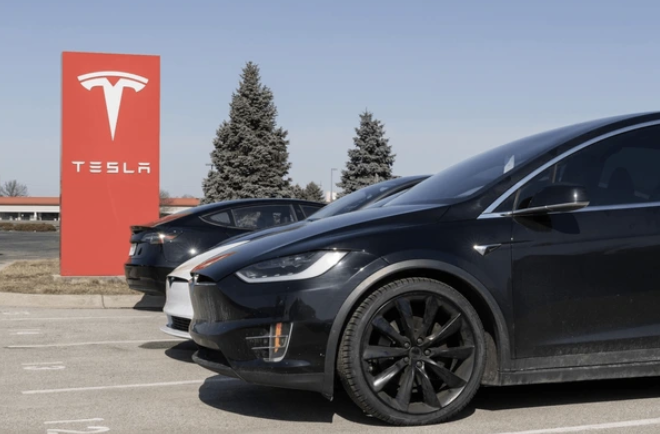
Will a Tesla run out of battery quickly with the air conditioning on? 5 common causes of range loss explained (2025 comprehensive guide)
Will a Tesla run out of battery quickly with the air conditioning on? 5 common causes of range loss at a glance (2025 comprehensive guide)
Introduction: In summer, will using the air conditioning significantly reduce a Tesla’s range?
In the sweltering summer heat, for Tesla owners, the first thing they do when getting in the car is switch on the air conditioning, with the aim of cooling the cabin quickly. However, many owners share one question: with the air conditioning running, will a Tesla’s range drop very quickly? Now that electric vehicles are commonplace, this question is definitely one of the issues people care about most. In 2025, as electric vehicle technology continues to advance, people’s expectations for range are also rising. Often, people compare the range performance of electric vehicles with the fuel consumption of traditional petrol cars, and air conditioning, this ‘big power consumer’, naturally becomes the focus. Exactly how much impact does air conditioning have on a Tesla’s range? And does it really ‘run out of battery very quickly’?
In this article, we will take an in-depth look at whether a Tesla runs out of battery quickly when the air conditioning is on, and break down 5 of the most common causes of range loss for you in one go. We will not only explain the science behind it, but also provide practical solutions and expert-level advice to help you, while enjoying a comfortable driving experience, maximise Tesla’s range. Whether you are a new Tesla owner or a seasoned one, we hope you can find the answers you are looking for here, and gain a better understanding of your car’s ‘temperament’.
This article will take you through:
- The actual extent of the impact of air conditioning on Tesla range.
- The five main causes of range loss, including the air conditioning system, battery health, driving habits, and more.
- Expert-level energy-saving tips to help you maintain longer range in hot weather.
- Answers to common problems, and how to prevent and deal with them.
- How HK Tesla Repair provides you with professional Tesla repair services to solve range-related problems.
Breaking down the Tesla range myth: does air conditioning really use that much power?
Many people hear ‘electric vehicle’ and immediately think of ‘range anxiety’. In hot summers, the power consumption of the air-conditioning system is even more of a concern. Just how much impact does using the air conditioning actually have on a Tesla’s range? The answer is: it has an impact, but the extent depends on multiple factors, and it is far more complex than you might imagine.
First, it is important to understand that Tesla’s air-conditioning system is different from the air-conditioning system in a traditional petrol car. A petrol car’s air-conditioning system is usually driven by the engine, so even when the engine is idling, it consumes fuel. As an electric vehicle, Tesla’s air-conditioning system is powered directly by the battery. This means that when you switch on the air conditioning, you are directly consumingyour vehicle’s battery energy, thereby affecting the total driving range. That may sound like a significant drain, but in fact, this is an important consideration for electric vehicles.
According to multiple studies and real-world tests, in extremely hot weather, turning on strong air conditioning can indeed significantly reduce a Tesla’s driving range. The exact percentage reduction may be between 5% and 30%. The exact figure will vary depending on factors such as vehicle model, battery capacity, set temperature, outdoor temperature and the number of passengers in the car. For example, larger models such as the Model S or Model X need to cool a larger cabin space, so their air-conditioning power consumption is relatively higher.
So is it really ‘running out of power very quickly’? This depends on how you define ‘very quickly’. If, at full charge, you expect to travel 500 kilometres, but because you have the air conditioning on, you can actually only travel 400 kilometres, then compared with not using the air conditioning, there is a reduction. However, this reduction is predictable, and there are ways to mitigate it. The key is to understand these effects and take appropriate measures. It is just like driving a traditional petrol car on mountain roads: fuel consumption will naturally be much higher than usual. This is a normal phenomenon.
Understanding electric vehicle energy management
Tesla’s energy management system is highly advanced, and it will optimise energy distribution as much as possible. When you switch on the air conditioning, the system monitors information such as battery status, outside temperature and your driving route, then adjusts the air conditioning output and the energy consumption of other auxiliary systems. For example, it may prioritise using energy recovered through regenerative braking to charge the battery, or, whenthe vehicle is moving, use airflow to help with heat dissipation.
The key point is: Running the air conditioning does consume battery energy, but that does not mean a Tesla’s range will plummet. By understanding the causes of the drain and taking appropriate measures, you can maintain good range performance while enjoying comfort.
Will a Tesla run out of battery quickly with the air conditioning on? 5 most common causes of range loss
Besides the air conditioning itself consuming power, many other factors can affect a Tesla’s range, especially in high-temperature summer conditions. We will analyse the five most common causes below in depth and provide specific explanations and solutions.
Reason one: Air conditioning system settings and usage habits
This is definitely the most direct cause. When you set the air conditioning to the lowest temperature (for example 18°C) and turn the fan speed to maximum, the system needs to continuously output a large amount of energy to maintain this low temperature. This is especially true when the outside temperature reaches as high as 35°C or above, the air conditioning system needs to work harder to bring the cabin temperature down from an extremely high level to your set temperature.
Specific impacts:
- Extreme temperature settings: The lower the temperature is set, the longer the compressor needs to run at high load, consuming more electricity.
- Maximum airflow: Although strong airflow can cool the cabin quickly, it also means the fan motor needs more energy.
- Frequent switching on and off: Each time the air conditioning is restarted, the system needs to cool down again, which uses more energy than running continuously.
- Poor cabin insulation: If the window film is inadequate, or the door seals are not tight, hot air can easily seep in, increasing the load on the air conditioning.
Solutions:
- Cool down gradually: Do not set the temperature to the lowest as soon as you get in. You can open the windows to ventilate for a few minutes first, then gradually lower the temperature and fan speed.
- Moderate settings: Set the temperature to a comfortable range, for example 24-26°C, with a moderate fan speed, this is already sufficient.
- Make good use of the pre-conditioning feature: The Tesla mobile app lets you pre-set the cabin temperature in advance, so that it is already at your ideal temperature before you get in, reducing the air conditioning load in the early stages of a drive.
- Check the window film: Make sure the window film provides good heat insulation, reducing direct sunlight entering the cabin.
Reason Two: Battery Health and Temperature
The battery in an electric vehicle, and how it performs, depends to a large extent on temperature. In high-temperature conditions, the battery’s internal resistance increases, causing charging and discharging efficiency to fall. At the same time, to protect the battery from overheating damage, the battery management system (BMS) may actively reduce the battery’s power output, or activate the battery cooling system, all of which consume extra energy.
Specific effects:
- Battery ageing: As time goes on, battery health gradually declines (capacity fade), total capacity decreases, and this naturally affects the total driving range.
- High-temperature effects: Overheating accelerates the battery’s chemical reactions, affecting performance and possibly even causing a temporary drop in performance.
- Battery management system (BMS) intervention: The BMS monitors battery status and, in extreme cases, may limit power output to protect the battery, indirectly affecting driving performance and range.
Solutions:
- Charge appropriately: Avoid leaving the vehicle charging in high temperatures under the blazing sun for extended periods, especially when fast charging.
- Parking location: Park the vehicle in a shaded spot wherever possible to minimise direct sun exposure on the battery.
- Regular inspection: Monitor the battery health report; if you notice anything unusual, contact a professional repair centre promptly for an inspection. HK Tesla Repair has professional technicians who can provide you with a detailed battery health assessment.
Reason Three: Driving Habits and Speed
This is a factor common to all vehicles, whether petrol or electric. Driving at high speed significantly increases air resistance, which means more energy is needed to maintain speed. For Tesla, high-speed driving means the motor has to deliver more power, naturally consuming more battery energy.
Specific effects:
- High-speed driving: Driving on the motorway at 120km/h or above, compared with driving at 80km/h, will use considerably more energy.
- Frequent acceleration and deceleration: Aggressive driving styles, such as frequently accelerating hard and braking sharply, consume more energy than smooth driving.
- Hill climbing: When driving on an incline, the motor needs to output more power, which also increases energy consumption.
Solutions:
- Maintain a steady speed: Drive at economical speeds where possible and avoid unnecessary high-speed driving.
- Anticipate road conditions: Anticipate traffic conditions in advance, minimise harsh braking, and make greater use of the regenerative braking system.
- Make good use of Autopilot: On suitable roads, make good use of the Autopilot feature; it is usually smoother than manual driving and helps to save energy.
Reason Four: Use of vehicle assistance systems
Besides air conditioning, Tesla has many other auxiliary systems, such as the audio system, navigation system, onboard computer, and even the lights and wipers, all of which consume battery energy. In summer, owners may also switch on seat ventilation, steering wheel heating (though this is less commonly used in Hong Kong), or other entertainment systems, and these will add up to increase energy consumption.
Specific impacts:
- High-power audio: Frequently playing music at high volume increases the audio system’s energy consumption.
- Prolonged screen use: Navigation, watching videos and similar activities all draw power continuously.
- Other electronic devices: USB charging, connecting Bluetooth devices and so on consume relatively little power, but the effect adds up.
Solutions:
- Use in moderation: When not needed, turn off unnecessary auxiliary systems, such as loud music, and lower the screen brightness.
- Keep an eye on the energy display: Keep an eye on the vehicle’s energy usage report to understand how much power each system is using and make adjustments accordingly.
Cause Five: Body Damage and Tyre Condition
This reason may receive less attention, but it is actually very important. If a Tesla has obvious body damage, such as deformation after a collision, it may affect the vehicle’s aerodynamic design and increase drag. Tyre condition, such as insufficient tyre pressure or severe wear, will also increase rolling resistance, requiring more energy to move the vehicle.
Specific impacts:
- Compromised aerodynamics: Deformation of the body after a collision disrupts the originally streamlined design and increases drag.
- Insufficient tyre pressure: Tyre pressure that is too low increases the contact area between the tyre and the road, creating greater rolling resistance.
- Tyre wear: Severely worn tyres have insufficient tread depth, reduced grip, and also increase rolling resistance.
- Wheel alignment issues: Inaccurate wheel alignment causes the tyres to tilt, increasing unnecessary resistance.
Solutions:
- Check the bodywork regularly: Watch for obvious collision marks or deformation on the bodywork, and carry out repairs when necessary. HK Tesla Repair specialises in bodywork repairs for all Tesla models, ensuring your car returns to its best condition.
- Check tyre pressures: Check and top up tyre pressures regularly, following the recommendations in the vehicle manual.
- Replace tyres regularly: When tyres are worn to a certain level, replace them with new ones promptly.
- Carry out wheel alignment checks: If you notice the vehicle pulling to one side or uneven tyre wear, have a wheel alignment check carried out as soon as possible.
Tip: Even a minor issue, such as a slight scratch, can slightly increase aerodynamic drag if it affects the smoothness of the bodywork. Therefore, keeping the bodywork in good condition also indirectly helps range.
HK Tesla Repair: Your trusted Tesla repair specialist
When dealing with Tesla range issues, or any repair problems related to electric vehicles, choosing a professional and reliable repair centre is crucial. Here at HK Tesla Repair, we are your ideal choice.
We specialise in repairs for all Tesla models, with services covering:
- Express Tesla vehicle inspections: Whether for routine maintenance or when a problem arises, we can provide fast, accurate vehicle inspections to help you identify potential risks early.
- Tesla battery replacement: If your battery’s health has declined significantly and is affecting range, we offer professional battery replacement services to bring your car back to life.
- Tesla motor maintenance and repair: The motor is the heart of an electric vehicle; we provide professional motor maintenance and repair services to ensure the drive system runs smoothly.
- Tesla bodywork repairs: Whether it is a minor scratch or more serious collision damage, we have the professional skills and equipment to carry out bodywork repairs, restoring the vehicle’s appearance and integrity.
Our service advantages include:
- No inspection fee: Giving you peace of mind when you have an inspection, with no need to worry about extra fees.
- Instant quotes: After the inspection, we will provide a clear and accurate repair quote straight away, so you know exactly what the repair will cost.
- Convenient and quick: We understand that your time is valuable, so we aim to provide an efficient and speedy repair service.
- Professional team: Our technicians are all professionally trained, with in-depth knowledge of Tesla vehicles and extensive repair experience.
If you notice a significant drop in range when your Tesla’s air conditioning is running, or if you have any other questions about your vehicle’s performance, you are welcome to contact HK Tesla Repair. We are glad to offer professional advice and solutions.
Practical Energy-Saving Tips: Maximising Your Tesla’s Range
Now that you understand the causes of range loss, let’s look at some practical ways to maximise your Tesla’s range in everyday use, especially during the hot summer months.
Tip One: Make the Most of Scheduled Departure and Pre-Cooling
Tesla’s mobile app offers powerful scheduling features. Before you set off, you can use the app to set the target temperature for the cabin. By the time you get into the vehicle, the air conditioning system is already at its optimum, so it does not have to do a great deal of cooling work during the early part of the journey. This is especially effective at reducing the impact of air conditioning on initial range.
How to do it:
- Open the Tesla mobile app.
- Select the “Climate” option.
- Set the temperature you want.
- Switch on the cooling or heating function.
Extra tip: If your vehicle supports “Cabin Overheat Protection”, you can enable this feature. Even when the car is switched off, the system will automatically run the fan when the cabin temperature becomes too high, helping to disperse heat and reducing the build-up of heat caused by direct sunlight.
Tip Two: Smart Control of Your Air Conditioning Settings
Avoid setting the air conditioning to the lowest temperature. Try setting the temperature to 24-26°C, with a moderate fan speed. In many cases, this temperature is already comfortable enough. You can also try using “Auto” mode, which lets the system adjust the fan speed and vents itself, reaching and maintaining the target temperature in the most efficient way.
Data for reference: It is estimated that raising the temperature by 1°C can save the air conditioning system around 5-10% of electricity consumption.
Tip Three: Make the Most of the Regenerative Braking System
Tesla’s regenerative braking system converts the kinetic energy produced when the vehicle slows down into electrical energy and stores it back in the battery. This is an important energy-saving mechanism for Tesla.
How to make the most of it:
- Anticipate when to decelerate: When you see a red light ahead or need to slow down, release the accelerator early and let the regenerative braking system do its work, rather than applying the brakes straight away.
- Learn one-pedal driving: Mastering one-pedal driving allows you to control the vehicle’s speed using only the accelerator pedal in most situations, maximising the efficiency of regenerative braking.
Link: Learn more about HK Tesla Repair’s services, and we also provide vehicle maintenance services to ensure the regenerative braking system operates correctly.
Tip Four: Pay attention to tyre pressure
Under-inflation is a hidden range killer. Low tyre pressure increases the tyre’s rolling resistance, making the vehicle work harder to move and therefore consume more electricity. Checking tyre pressure regularly and ensuring it is at the recommended level is one of the simplest and most effective ways to save energy.
Recommendation: Check and adjust tyre pressure according to the vehicle’s owner’s manual or the label on the door edge. It is recommended to check tyre pressure at least once a month.
Tip Five: Reduce unnecessary load
The weight of the vehicle directly affects the energy required to drive it. Clearing unnecessary items from the cabin, such as clutter in the boot, as much as possible can reduce the vehicle’s load and thereby improve range.
Tip Six: Make good use of Eco mode (if applicable)
Some Tesla models offer ‘Eco Mode’ or a similar energy-saving mode. When this mode is enabled, the system limits acceleration performance and may make moderate adjustments to the air conditioning system to achieve optimum energy efficiency. Although it may sacrifice a little driving enjoyment, it is an effective choice when you are aiming for maximum range.
Tip Seven: Consider vehicle insulation and window tinting
Good body insulation and high-quality window film can effectively block sunlight from entering the cabin and reduce the rise in interior temperature. This can ease the burden on the air conditioning system and save electricity. If you live in a hot region, this is an investment worth considering.
External link: Learn more about Tesla’s official charging and range information, which can help you gain a more comprehensive understanding of EV energy management.
Frequently Asked Questions (FAQ)
Q1: Will running the air conditioning drain a Tesla’s battery quickly?
A1: Using the air conditioning does consume battery energy and affects range, but it does not mean the battery will run out “quickly”. The exact impact depends on a number of factors, including the temperature setting, fan speed, outside temperature, battery health and driving habits. With the right settings and energy-saving techniques, the impact can be kept to a minimum.
Q2: How should I set the air conditioning in summer to save the most energy?
A2: Setting the temperature to the lowest level is not recommended. Try setting it to 24-26°C with a moderate fan speed. Make good use of the mobile app’s pre-cooling function to reach a comfortable temperature before you get in the car; this is more efficient than starting to cool down while driving.
Q3: My Tesla’s range has dropped noticeably recently — does that mean the battery is faulty?
A3: A drop in range can have many causes, including battery ageing, air conditioning system issues, tyre condition and changes in driving habits. We recommend a comprehensive vehicle inspection first to identify the specific cause. HK Tesla Repair provides professional Tesla repair services, including detailed vehicle inspections and battery health assessments.
Q4: Does using the heater in winter consume as much power as the air conditioning in summer?
A4: Yes, using the heater in winter also consumes battery energy. Tesla’s heating system is mainly powered by the battery; if resistive heating is used in particular, power consumption will be relatively high. Some newer Tesla models use heat pump technology, which is more efficient than resistive heating.
Q5: How often should I check tyre pressure?
A5: We recommend checking tyre pressure at least once a month, especially when the weather varies a lot. Correct tyre pressure is crucial for both driving safety and range.
Q6: Is Tesla fast charging not recommended in extreme heat?
A6: In extreme heat, prolonged fast charging does place extra stress on the battery. Where circumstances allow, consider charging during cooler hours, or choose standard charging instead. At the same time, make sure the battery management system is working correctly and can dissipate heat effectively.
Q7: My Tesla motor is making an unusual noise — will that affect the range?
A7: An unusual motor noise is usually something that needs attention; it may mean that a component inside the motor is damaged or that lubrication is insufficient. Although it will not necessarily cause the range to drop directly, ignoring it over time may affect the motor’s efficiency and lifespan. We recommend having it checked by a professional technician as soon as possible. Contact HK Tesla Repair, and we have specialist experience in dealing with Tesla motors and drivetrains.
Customer testimonials
Mr Chan, Model 3 owner: “Summer really is hot, and I used to worry that with the air conditioning on, the car would not get very far. Since finding HK Tesla Repair, they have checked my air conditioning system and battery, and even taught me how to adjust the settings. Now, even with the air conditioning on, the range is far more consistent than before — it has really solved a big headache for me!”
Miss Lee, Model Y owner: “My car was in a bump a while back and the bodywork was slightly dented. Fortunately I found HK Tesla Repair to put it right; not only did the appearance return to normal, but even the sense that the car was not running as smoothly as usual improved — probably because the aerodynamics were restored! Great service, and reasonable prices too.”
Conclusion: Master Your Tesla’s Range and Enjoy Worry-Free Driving
In summary, the answer to whether a Tesla loses charge quickly when the air conditioning is on is: it has an effect, but it is manageable. By gaining a deeper understanding of the five main causes of range loss — the air conditioning system, battery health, driving habits, use of assistance systems, and bodywork and tyre condition — you can take more targeted action. In 2025, as electric vehicle technology matures, managing range has become even more important for owners.
At HK Tesla Repair, we understand how much you value your vehicle. We specialise in repairs for all Tesla models, providing express vehicle inspections, battery replacement, motor and engine maintenance, and bodywork restoration. Our advantages are that we charge no inspection fee and can provide instant quotations, and we are committed to giving you the most convenient and efficient repair experience. Whether you want to optimise your air conditioning settings, checkbattery health, or repair bodywork damage, our professional team will provide you with the most attentive service.
Remember, maximising your Tesla’s range is not just about saving money; it is also about giving you the freedom and peace of mind to enjoy the convenience and environmentally friendly driving experience that an electric vehicle offers. By mastering the right energy-saving techniques and seeking professional repair assistance when needed, your Tesla will certainly be able to maintain optimal range performance in the hot summer, and even at any time.
Would you like to learn more about Tesla repairs, or book an inspection?
Visit our website now:HK Tesla Repair
or directly contact HK Tesla Repair, and our professional team is always ready to serve you!