
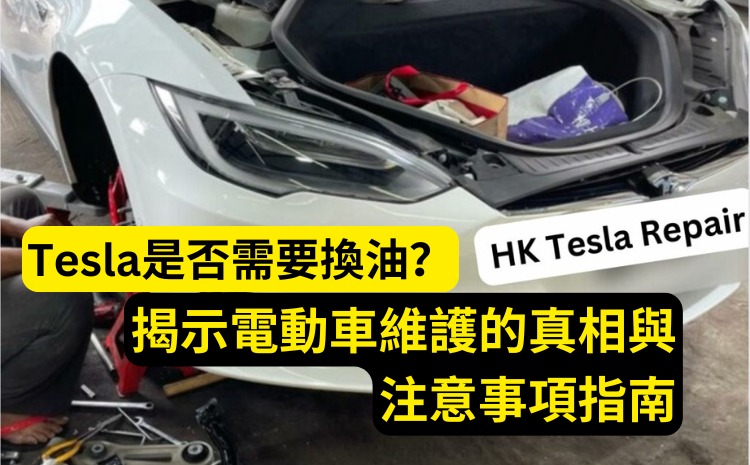
Does a Tesla Need an Oil Change? The Truth About EV Maintenance and What to Watch Out For
Introduction
With the growing popularity of electric vehicles, Tesla has become the first choice for many car owners. However, for owners used to internal combustion engine vehicles, the way a Tesla is maintained can raise a few questions. Traditional cars need regular oil changes to protect the engine; this is not only an important step in keeping the vehicle running well, but also extends the engine’s lifespan.But do electric vehicles like Tesla also need oil changes? In fact, because Tesla uses an electric motor rather than an internal combustion engine, traditional oil changes are not required. However, this does not mean a Tesla needs no lubricants at all or no other form of maintenance. This article will take an in-depth look at the lubrication needs of Tesla vehicles, other maintenance items, andhow to ensure your Tesla stays in peak condition over the long term.
Does a Tesla need an oil change?
Why don’t Tesla electric vehicles need traditional engine oil?
Tesla electric vehicles differ from traditional internal combustion engine vehicles in that they run on an electric motor rather than a fuel engine. This core difference means that a Tesla does not need traditional engine oil to lubricate engine components while running. Below are the main reasons why a Tesla does not need traditional engine oil, along with the relevant details:
・How the electric motor operates
Tesla electric vehicles are driven by an electric motor, and the design of this motor is fundamentally different from that of a traditional internal combustion engine. When a traditional internal combustion engine runs, fuel burns inside the cylinders to produce power, and this process requires engine oil to lubricate, cool and clean the many moving parts inside the engine, such as pistons, bearings and cylinder walls. Ifthere is no oil lubrication, the friction between these parts will lead to overheating and severe wear.
However, Tesla’s electric motor does not need this kind of lubrication, because it does not involve a combustion process or complex moving parts. The electric motor relies on electrical energy to produce rotational movement; its structure is simpler and it has fewer moving parts, which reduces the need for lubrication.
・The shift in lubrication requirements
Although Tesla vehicles do not need traditional engine oil to lubricate engine components, this does not mean Tesla needs no lubricants at all. In fact, Tesla’s drive unit and gearbox still need specific synthetic lubricating oil to ensure smooth operation. However, these lubricating oils need to be changed far less frequently than traditional engine oil, usuallyonly needing replacement after a longer mileage.
・Lower maintenance costs
As regular oil changes are not required, the maintenance costs of Tesla vehicles are relatively low. This is one of the important reasons why many Tesla owners choose electric vehicles. In addition, other maintenance requirements of Tesla vehicles, such as brake fluid and coolant replacement, are also simpler and less frequent than traditional petrol vehicles, which further reduces the overall maintenance burden of the vehicle.
The reason Tesla electric vehicles do not need traditional engine oil is mainly because their operating principle differs from that of internal combustion engine vehicles. The simple structure of the electric motor and its low-friction motion characteristics greatly reduce lubrication requirements. In addition, the types of lubricants required by Tesla vehicles are different, and the replacement frequency is also low, which makesthe daily maintenance of electric vehicles simpler and more economical.
Do Teslas need oil changes? — all you need to know | REREV
Tesla Lubrication Requirements Explained: Is Regular Inspection Necessary?
Although Tesla vehicles do not require traditional oil changes, this does not mean they need no lubrication at all. Tesla’s electric motor and other key components still require specific lubricating oils and lubricants to ensure smooth operation and long-term reliability. The following is an analysis of Tesla’s lubrication requirements and details on whether regular inspection is necessary:
・Tesla vehicle lubrication requirements
The main lubrication requirements of Tesla vehicles come from their drive unit and gearbox. These components involve rotation and friction during operation, so appropriate lubrication is needed to reduce wear and extend service life. For example, Tesla uses specific synthetic oil to lubricate the gears and other moving parts inside the drive unit. This syntheticLubricants are specially designed to maintain their performance over extended use and are not prone to degradation.
・Lubricant inspection and replacement
Unlike traditional petrol vehicles, the lubricants in Tesla vehicles do not need to be changed as frequently as engine oil. Tesla’s lubricants generally have a longer service life, but this does not mean owners can neglect theirinspection. According to Tesla’s recommendations, lubricants should be inspected and replaced after a specific mileage (such as 100,000 miles) or age of use, which ensures the lubricant remains effective and prevents component wear caused by insufficient lubrication.
・The necessity of lubrication checks
Although lubricants need to be replaced less frequently, regularly checking the condition of the lubricant remains essential. This helps owners promptly identify potential issues with the lubricant, such as excessive wear, contamination or reduced lubrication effectiveness. Timely inspection and maintenance can prevent potential mechanical failures and ensure the long-term reliability and safety of Tesla vehicles.
Although Tesla electric vehicles have lower lubrication requirements, the condition of the lubricants still needs to be checked regularly. These lubricants are essential for maintaining the normal operation of the drive unit and gearbox. By following Tesla’s maintenance recommendations, owners can ensure the effectiveness of the lubricant, thereby extending the vehicle’s service life and reducing repair costs.
Do Teslas Need Oil Changes? An Expert’s Answer – Tesla Tale
Tesla Lubricants: Types and Uses Explained in Detail
Although Tesla vehicles do not require traditional engine oil, certain components still rely on specific lubricants to ensure smooth operation. These oils and lubricants play a vital role in Tesla’s drive units and gearboxes. The following is a detailed guide to the types of lubricants used by Tesla and their specific applications:
・Pentosin ATF 9 synthetic oil
Pentosin ATF 9 is the primary lubricant used by Tesla in its drive units and gearboxes. It is a high-performance synthetic oil designed for long-term operation. Unlike traditional engine oil, Pentosin ATF 9 does not degrade easily and can maintain its lubricating performance under high temperatures and pressures, thereby extending the service life of the drive unit and transmission.
・Uses of Tesla Lubricating Oil
– Drive unit: Tesla’s drive unit is responsible for converting electrical energy into mechanical energy to propel the vehicle forward. This process involves multiple high-speed rotating components, which require Pentosin ATF 9 lubricating oil to reduce friction, prevent overheating and wear.
– Transmission: Although the transmission structure of an electric vehicle is simpler than that of a traditional internal combustion engine vehicle, it still requires lubricating oil to ensure the smooth operation of gears and other components. Pentosin ATF 9 can provide long-lasting lubricating protection, ensuring the transmission remains in optimal condition after prolonged use.
・Lubricating Oil Replacement Frequency
Because Pentosin ATF 9 synthetic oil has excellent stability and durability, so Tesla vehicle lubricating oil does not need to be changed as frequently as traditional engine oil. According to Tesla’s maintenance recommendations, these lubricating oils usually need to be changed when the vehicle reaches100,000 miles, at which point the first replacement is required; thereafter, replacement every five years or similar mileage is sufficient.
Although Tesla vehicles do not require traditional engine oil, they still rely on specific high-performance lubricating oils to ensure the proper operation of the drive unit and transmission. The use of these lubricating oils not only extends the vehicle’s service life but also ensures that the vehicle, under variousoperating conditions, remains reliable.
Tesla Vehicle Motor Lubricating Oil Requirements Explained
Tesla Drive Unit (Motor Module) Lubrication Requirements and Maintenance – Motor Oil Replacement
The drive unit (motor module) of a Tesla vehicle is a core component of an electric vehicle, responsible for converting electrical energy into mechanical energy to propel the vehicle forward. Although electric vehicles do not require frequent lubrication like internal combustion engine vehicles, the drive unit still requires synthetic lubricating oil to ensure its long-term smooth operation. The following are the lubrication requirements and maintenance recommendations for Tesla’s drive unit:
・Lubrication requirements of the drive unit (motor module)
Tesla’s drive unit (motor module) involves several high-speed rotating components, including gears and bearings. These components generate friction during operation, and without proper lubrication, this friction can cause overheating and wear, thereby affecting the drive unit’s efficiency and service life. To reduce friction, Tesla useshigh-performance synthetic lubricating oil (such as Pentosin ATF 9) to ensure the smooth operation of these critical components.
・Checking the lubricating oil
Tesla owners should regularly check the lubricating oil’s level and condition. Although these synthetic lubricating oils do not degrade as easily as conventional engine oil, they can still become contaminated or lose effectiveness through prolonged use. Bychecking the colour and viscosity of the lubricating oil, abnormalities can be identified promptly and the oil replaced when necessary.
Although Tesla’s drive unit (motor module) does not require frequent maintenance, regular inspection and replacement of the lubricating oil remain crucial. The use of synthetic lubricating oil ensures the drive unit’s long-term durability and efficient operation; by followingTesla’s maintenance recommendations, owners can extend the vehicle’s service life and maintain optimal performance.
References
Tesla Lubricating Oil Replacement Intervals and Best Practices – Motor Oil Replacement
Although Tesla vehicles have relatively low lubrication requirements, the correct lubricating oil replacement interval is crucial for maintaining the vehicle’s operating condition and extending its lifespan. Understanding Tesla’s lubricating oil replacement intervals and best practices can help owners leave nothing to chance in their routine maintenance.
・Motor lubricating oil replacement intervals
Tesla vehicle lubricating oil generally has a long replacement interval, mainly because the synthetic lubricating oil Tesla uses, such as Pentosin ATF 9, offers excellent stability and durability. According to Tesla’s recommendations, the first lubricating oil replacement should be carried out when the vehicle reaches100,000 miles (approximately160,000 kilometres) of driving. Thereafter, the lubricating oil should be replaced every five years or every100,000 miles before replacement. Such a frequency ensures that the lubricant can maintain its performance under prolonged and high-load operating conditions, preventing excessive component wear.
・Best practices for motor lubricant replacement
Although Tesla motor lubricant replacement is relatively infrequent, owners should follow the best practices below each time they replace the motor lubricant:
– Check the motor lubricant level and condition: Before replacement, first check the lubricant level and condition. If the lubricant has darkened in colour or developed an odour, this may be a sign that it has degraded and needs to be replaced earlier.
– Use the specified motor lubricant: Tesla recommends using a specific synthetic lubricant, such as Pentosin ATF 9, to ensure optimal lubrication of vehicle components under high-load conditions. Using other types of lubricant may result in insufficient lubrication, which can in turn affect vehicle performance.
– Record the replacement date and mileage: After each motor lubricant replacement, owners should record the replacement date and the mileage at the time for reference at the next service. This can helpthe owner track the vehicle’s maintenance history and ensure that lubricant replacements are carried out as planned.
・Recommendations for avoiding motor lubricant problems
Even though Tesla motor lubricant replacement intervals are relatively long, owners should still check the lubricant condition regularly. This can prevent mechanical faults caused by insufficient or degraded lubricant, ensuring stable long-term vehicle operation. Regular inspectionand timely replacement of lubricant are key to keeping Tesla vehicles running efficiently and extending their service life.
Other important maintenance items for Tesla vehicles
Brake fluid: How should regular checks and replacement be carried out?
Brake fluid plays a vital role in Tesla vehicles, especially in ensuring the proper operation of the vehicle’s braking system. Although Tesla’s regenerative braking system reduces the need for frequent brake fluid use, regular checks and replacement of brake fluid remain important steps in keeping the vehicle safe.
・The Role of Brake Fluid
The main function of brake fluid is to transmit the pressure applied to the brake pedal to the brake calipers, thereby causing the brake pads to contact the brake discs and achieving deceleration or stopping. Because liquids are incompressible, brake fluid can effectively transmit pressure, ensuring the sensitivity and reliability of the brake system. However, over time, brakefluid may absorb moisture or become contaminated, which can reduce its performance and cause brake system failure.
・How to Check Brake Fluid
Regularly checking the brake fluid level and quality is essential. Below are some simple checking steps:
– Check the level: the level should be between “MIN” and “MAX”. If the level is too low, it may be a sign of a system leak or excessive brake pad wear.
– Check the fluid colour: brake fluid should be a clear amber colour. If the fluid becomes cloudy or darkens, this may indicate that the brake fluid has absorbed too much moisture or become contaminated, and should bechanged immediately.
・Brake Fluid Replacement Recommendations
According to Tesla’s maintenance recommendations, brake fluid should be checked every two years and replaced when necessary. This ensures stable operation of the brake system and avoids safety issues caused by reduced brake fluid performance. In addition, under extreme weather conditions (such as in high-temperature or high-humidity environments), brakefluid replacement frequency may need to be increased to address the higher risk of moisture absorption.
Brake fluid is one of the critical safety components in Tesla vehicles. Although its replacement frequency is relatively low, regular inspection and replacement remain key to maintaining vehicle safety. By following Tesla’s maintenance recommendations, owners can ensure the brake system, under all driving conditions,operates correctly.
Tesla Coolant Inspection and Maintenance Guide
The main role of coolant in Tesla electric vehicles is to keep the operating temperatures of the battery and electric motor within a safe range. As with conventional petrol vehicles, regular inspection and maintenance of the coolant are crucial to ensuring the vehicle’s long-term stable operation. Below is a guide to checking and maintaining Tesla coolant:
・The role of coolant
Coolant is mainly used to regulate the temperature of the vehicle’s battery and electric motor, preventing these key components from being damaged by overheating. Tesla vehicles typically use G48 coolant, a blue-green ethylene glycol-based liquid specifically designed for temperature control of the battery and drive unit. In addition to regulating temperature, G48 coolant also has an anti-corrosion effect, which is crucial for maintaining the long-term stability of the vehicle’s internal systems.
・How to check the coolant
Regularly checking the coolant level and condition is an important step in vehicle maintenance:
– Check the level: After opening the bonnet, locate the coolant reservoir. Ensure the coolant level is betweenthe “MIN” and “MAX” marks. If the level is below the “MIN” mark, coolant needs to be added immediately.
– Check the fluid colour and condition: The coolant should remain its original blue-green colour. If the coolant changes colour, becomes cloudy, or has sediment, this may indicate that the coolant has degraded or become contaminated and needs to be replaced.
・Coolant replacement recommendations
Although the G48 coolant used in Tesla vehicles typically has a long service life, according to Tesla’s recommendations, the coolant should be checked when the vehicle reaches50,000 to100,000 miles (approximately80,000 to160,000 km) or every two years, and replaced if necessary. This ensures that the cooling system can still function properly under high-temperature and high-load conditions, preventing the battery and electric motor from being damaged by overheating.
・How to choose the right coolant
When choosing coolant, you should use the G48 coolant recommended by Tesla; this coolant is specifically designed for electric vehicles and can effectively prevent overheating of the battery and other key components. In addition, using improper or non-recommended coolant may lead to system failure or shorten the vehicle’s lifespan.
Coolant plays a vital role in the routine maintenance of Tesla vehicles. By regularly checking and replacing the coolant, owners can ensure that the battery and electric motor operate in an efficient and safe environment, thereby extending the vehicle’s service life.
References
TEC Tesla Academy – Coolant Reservoir Fluid
Why is topping up the windscreen washer fluid equally important?
When maintaining a Tesla vehicle, many owners may overlook topping up the windscreen washer fluid. However, regularly checking and topping up the washer fluid is crucial to ensuring driving safety. The following reasons explain why this seemingly simple maintenance item should not be overlooked:
・Ensuring clear visibility: Washer fluid can effectively remove dust, dirt and insect residue from the windscreen, especially on long journeys or in adverse weather conditions, where clear visibility is vital for safe driving. This is particularly true for Tesla vehicles, as their design and technical features mean that maintaining good visibility helps the vehicle’s autonomous driving system to operate better.・Preventing glass damage: Regularly topping up with dedicated washer fluid prevents dirt that accumulates on the windscreen from scratching the glass. Particularly in winter, washer fluid containing antifreeze can also prevent the glass from freezing, ensuring the wipers work properly.
・Extending wiper blade life: Using appropriate washer fluid helps maintain the elasticity and cleaning ability of the wiper blades,avoiding accelerated ageing of the wiper rubber caused by dirt or dry wiping.
Therefore, Tesla owners should incorporate checking and topping up the washer fluid into their regular maintenance schedule, adjusting it according to usage and environmental conditions. It is recommended to check the washer fluid level once a month and top it up when necessary. This helps ensure the windscreen remains clean, givingthe driver optimal driving visibility, further enhancing driving safety.
Tesla Vehicle Maintenance Advantages Explained
Why Are Tesla’s Maintenance Requirements Lower Than Traditional Petrol Vehicles?
As a leader in electric vehicles, Tesla’s low maintenance requirements have long been one of the advantages owners praise. Compared with traditional petrol vehicles, Tesla demonstrates higher reliability and lower maintenance requirements in many respects. The following is a detailed analysis of why Tesla’s maintenance requirements are low:
・No need for regular oil changes
– The internal combustion engine of a traditional petrol vehicle relies on engine oil to lubricate and cool its moving parts, requiring regular oil changes to keep the engine running properly. Tesla’s electric motor does not require engine oil because its design is simpler and has fewer moving parts, which reduces lubrication needs, so owners do not need regular oil changes, thereby savsaves time and cost.
・Fewer moving parts
– Tesla’s electric vehicle drive system has fewer moving parts, which means a lower probability of failure. A traditional petrol car’s engine and transmission have hundreds of moving parts, whereas an electric motor has a relatively simple structure and no gearbox, further reducing maintenance requirements.
・Regenerative braking system
– Tesla is equipped with a regenerative braking system. When the driver decelerates, kinetic energy is converted into electrical energy and fed back into the battery. This not only improves battery range but also reduces wear on the traditional braking system. Because brake pads and discs are used less frequently, their lifespan is extended, which lowers maintenance requirements.
・Software updates
– Tesla vehicles frequently receive software updates via OTA (Over-The-Air), meaning many issues can be fixed and optimised without physical repairs. Traditional cars usually require a visit to a service centre for software upgrades or diagnostics, which increases the owner’s time and maintenance costs.
・Long lifespan of the battery and motor
– Tesla provides an 8-year warranty for its battery and drive motor, giving owners long-term peace of mind. The battery and motor are designed to last over200,000 miles (approximately320,000 km), and they have been proven to have a very low failure rate, meaning owners do not need frequent repairs or replacement of key components.
・Fewer consumables
– Traditional petrol cars require regular replacement of various consumables such as spark plugs, fuel filters, transmission fluid and exhaust system components, whereas Tesla’s electric vehicles do not require these maintenance items at all. Thisnot only reduces the owner’s maintenance costs but also shortens vehicle downtime.
・Low demand for coolant and other lubricants
– Although Tesla still needs to use coolant to maintain the operating temperature of the battery pack, its demand and replacement frequency are far lower than those of traditional cars. Tesla’s coolant system is designed as a closed loop, reducing coolant consumption and maintenancefrequency. In addition, the demand for lubricants used in Tesla electric vehicles (such as drive unit oil) is also relatively low, which further reduces the hassle of routine maintenance.
・Convenience of vehicle diagnostics
– Tesla vehicles have a highly intelligent built-in diagnostic system that can monitor and report the vehicle’s operating condition in real time. When a potential issue arises, the sys-tem will automatically notify the owner and arrange repair services when necessary, which prevents owners from experiencing unexpected breakdowns or driving difficulties due to faults.
Tesla’s low maintenance requirements not only enhance convenience for owners but also significantly reduce the vehicle’s operating costs. These features make Tesla the ideal cho-ice. As electric vehicle technology continues to advance, these advantages will further consolidate Tesla’s leading position in the market.
How to properly maintain a Tesla vehicle to extend its service life
Proper maintenance is crucial for extending the service life of a Tesla vehicle. Although Tesla electric vehicles require less maintenance than traditional petrol vehicles, there are still several key areas that owners need to pay attention to. Below are some best practices and recommendations for extending the service life of a Tesla vehicle:
・Regular inspection and maintenance of key systems
– Battery Management System (BMS): The battery is one of the core components of a Tesla vehicle. To ensure the battery’s health, owners should regularly check the status of the BMS and ensure the battery charge remains within the recommended range (usually 20%-80%), avoid charging the battery to100% for prolonged periods or over-discharging.
– Coolant check: Tesla’s cooling system is responsible for maintaining the operating temperature of the battery pack and electric motor. Owners should regularly check the coolant level and quality, and replace it according to the manufacturer’s recommended schedule to ensure the efficient operation of the cooling system.
– Brake system maintenance: Although Tesla vehicles are equipped with a regenerative braking system, which reduces wear on the traditional braking system, the condition of the brake pads and brake fluid still needs to be checked regularly. This ensures that in an emergency, the vehicle can still provide sufficient braking force.
• Regular software updates
– Tesla vehicles frequently receive software updates via OTA (Over-The-Air). These updates can not only fix known issues, but also optimise vehicle performance and add new features. Owners should regularly connect their vehicles to Wi-Fi to ensure the vehicle always uses the latest software version.
• Correct charging habits
Battery Care Complete Guide – Essential Tips for Extending Battery Life
– Daily charging: owners are advised to keep the battery charge level between 20%and 80% during daily charging, as this can reduce stress on the battery and extend its service life. Only charge the battery to full before long journeys.
– Using fast charging: Although Tesla Superchargers are very convenient, using fast charging too frequently can have a negative impact on battery health. Owners are advised to use a home charger (Level 2) for daily charging, and use fast charging only when needed.
• Keeping the vehicle clean and maintaining its appearance
– Vehicle cleaning: Wash the vehicle regularly and use a high-quality car wax to protect the paint from environmental damage. In addition, the interior should be cleaned regularly, especially the seats and carpets, to keep the cabin comfortable and feeling like new.
– Glass and mirror care: Owners should regularly clean the windows and rear-view mirrors and check that they are working properly. Replace worn wiper blades to ensure good visibility in all weather conditions.
• Using original parts
– When parts need replacing, owners are advised to use genuine Tesla parts, as this helps ensure the vehicle’s operation and safetyare not affected. Genuine parts have undergone Tesla’s rigorous testing, which provides greater assurance of compatibility and durability.
By following the maintenance advice above, Tesla owners can effectively extend the vehicle’s service life and ensure it remains high-performing and efficient throughout its entire life cycle. Even though Tesla vehicles have relatively low maintenance needs, owners should still regularly checkand maintain the vehicle’s key systems, so that it can remain in optimal condition for many years to come.
Frequently Asked Questions (Q&A)
Do Tesla vehicles need oil changes?
Tesla electric vehicles do not require traditional engine oil changes. This is because Tesla vehicles are fully electric, with no internal combustion engine, and therefore do not use engine oil to lubricate an engine. In conventional cars, engine oil is mainly responsible for lubricating, cleaning, cooling and protecting the inside of the engine from corrosion, whereas Tesla electric vehicles rely on electric motors and battery packs for propulsion, and these components do not need engine oil to operate. This greatly reduces the vehicle’s routine maintenance requirements, saving owners the hassle and cost of engine oil changes.
What lubrication maintenance do Tesla vehicles require?
Although Tesla electric vehicles do not require traditional engine oil changes, some components still need lubrication maintenance. These include the drive unit, suspension system, steering mechanism and certain moving parts. The types of lubricant used in Tesla vehicles include special synthetic lubricants, which are designed to operate at extreme temperatures and extend component life. Although lubricationrequirements are lower, owners should still regularly check the lubricant level and condition as recommended in the vehicle manual, and replace it as needed.
Do Tesla brake systems require regular maintenance?
Yes, although Tesla vehicles are equipped with a regenerative braking system that recovers energy and reduces reliance on the traditional brake system, the brake system still requires regular inspection and maintenance. This is because brake fluid absorbs moisture over time, reducing its performance. Therefore, Tesla recommends that owners replace the brake fluid every two years and regularly check the brake pads’wear condition, to ensure sufficient braking force in emergency situations.
How often should Tesla coolant be checked?
Tesla electric vehicles use coolant to maintain the normal operating temperature of the battery and electric motor. Owners should check the coolant level and condition every two years, and replace it as needed. If the vehicle is often operated at extreme temperatures (such as very cold or hot environments), more frequent checking and replacement of the coolant is recommended to ensure the cooling system’soptimal performance.
Why is Tesla’s maintenance requirement lower than that of traditional petrol vehicles?
Tesla electric vehicles have lower maintenance needs than traditional petrol vehicles, mainly because electric vehicles do not require the frequent oil changes, spark plug replacements and exhaust system checks that petrol vehicles do. Electric vehicles use a simple electric motor instead of a complex internal combustion engine, thereby reducing many lubrication and cooling requirements. In addition, Tesla vehicles are also equipped with an advanced self-diagnostic system that can remind owners to carry out necessary maintenance, greatly reducing sudden breakdowns and unnecessary repairs.
How to Properly Maintain a Tesla Vehicle to Extend Its Service Life?
Proper maintenance of a Tesla vehicle can effectively extend its service life. First, owners should regularly check the battery status and maintain appropriate charging habits, such as avoiding charging the battery to 100% or draining it to too low a level for extended periods. Second, regularly update the vehicle’s software to get the latest features and performance improvements. Third, although Tesla’s braking system wears less,it is still necessary to regularly check the condition of the brake fluid and brake pads. Finally, keep the vehicle’s exterior and interior clean, and use Tesla original parts for replacements and servicing, which will help the vehicle remain in optimum condition over the long term.
WhatsApp Enquiry【HK Tesla Repair In-House Garage】
If you would like to learn more tips and knowledge about car maintenance, please refer to our other articles:
- Car Exterior Repair and Maintenance Guide – Keep Your Car Looking as Good as New
- Essential Tips for Novice Drivers | Improve Your Driving Skills and Confidence
- Why is the air conditioning needed when Tesla Supercharging?
- Essential Summer Driving Guide | Expert Tips to Improve Car Air Conditioning Performance and Eliminate Odours
With this useful information, you can better protect and maintain your car, ensuring it remains in optimum condition in every respect.