
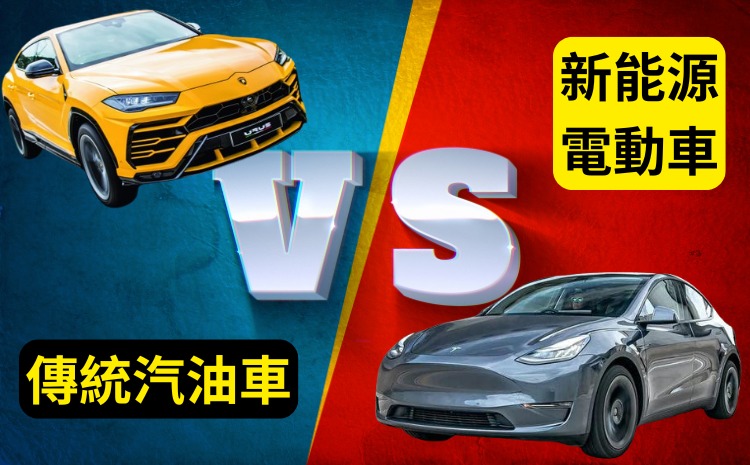
Electric Cars vs Traditional Cars: A Comprehensive Comparison | Choosing the Best Model for You
Introduction
In an era of ever-growing environmental awareness, choosing the right car for you is becoming increasingly important. Whether you are considering buying an electric car or a traditional car, you need to understand how they differ in environmental impact, cost, driving experience and government policy. This article takes an in-depth look at these two types of car to help you make the mostwell-informed choice.
Electric Cars vs Traditional Cars: Environmental Impact
A Comprehensive Comparison of the Carbon Footprint of Electric Cars and Traditional Cars
The difference in carbon footprint between electric vehicles (EVs) and traditional cars is mainly seen at each stage of manufacturing, energy use and the life cycle. Traditional cars rely on burning fossil fuels such as petrol or diesel, which produces large quantities of carbon dioxide and other harmful gases while they are running. By contrast, electriccar emissions come mainly from their manufacturing process, particularly the battery production stage.
Carbon Footprint During Manufacturing
Manufacturing an electric car, particularly its lithium battery, usually consumes more energy than manufacturing a traditional car, which means an electric car’s carbon footprint in the early manufacturing stage may be higher than that of a traditional car. However, as technology advances and renewable energy becomes more widespread, this impact gradually diminishes.
Carbon Footprint During Operation
The carbon emissions of a traditional car come mainly from the carbon dioxide released when fuel is burned, and this continues throughout the vehicle’s entire operating life. Electric cars, by contrast, produce almost no direct emissions while running; instead, it is the source of the electricity that affects their carbon emissions. If renewable energy is used to generate electricity, an electric car’s carbon emissions fall substantially and may evenapproach zero.
Overall Carbon Footprint Comparison
According to a number of studies, as an electric vehicle’s years in service increase, its overall carbon footprint falls relative to that of a conventional car. In most cases, once an electric vehicle has covered a certain mileage, its cumulative carbon emissions will be lower than those of a traditional internal combustion engine vehicle, particularly where the electricity used for charging comes from clean energy sources.
As the comparison above shows, although an electric vehicle carries a higher carbon footprint during the manufacturing stage, its low emissions in use mean that its carbon footprint ultimately tends to be lower than that of a conventional car. This makes electric vehicles one of the important choices for cutting carbon emissions and achieving sustainable development.
Reference sources:
International Energy Agency (IEA) – Transportation – Electric Vehicles
Emissions Problems of Conventional Cars and Modern Emission-Reduction Technology
The emissions produced by conventional internal combustion engine vehicles (Internal Combustion Engine Vehicles, ICEVs) have long been a key focus of environmental concern. These vehicles rely mainly on burning petrol or diesel to drive their engines, and this process generates large quantities of carbon dioxide (CO₂), nitrogen oxides (NOx), hydrocarbons (HCs) and particulate matter (PM) — pollutants thatnot only have a significant impact on the environment but also pose a potential threat to human health.
The Main Emissions Problems of Internal Combustion Engine Vehicles
- Carbon dioxide (CO₂) emissions: As one of the main greenhouse gases, CO₂ emissions are a leading driver of global warming. When conventional cars burn fossil fuels they release large amounts of CO₂, which is the principal source of an internal combustion engine vehicle’s carbon footprint.
- Nitrogen oxides (NOx) emissions: NOx is one of the main components of air pollution; under the influence of sunlight it reacts with other substances to form ozone and photochemical smog, which has a considerable effect on the human respiratory system.
- Hydrocarbons (HCs) and particulate matter (PM): these compounds are produced when combustion is incomplete, and are especially common in older or poorly maintained vehicles. Their impact on air quality is significant, and they may trigger health problems such as asthma and lung cancer.
Modern Emission-Reduction Technology
As environmental requirements continue to rise, modern automotive technology is constantly evolving to reduce emissions from internal combustion engine vehicles. The following are some of the main emissions-reduction technologies:
- Catalytic Converters: This is a key component in a vehicle’s exhaust system, capable of converting harmful NOx, HCs and CO into harmless nitrogen, water vapour and carbon dioxide. Modern catalytic converters are highly efficient and are one of the main means of reducing pollution from internal combustion engine vehicles.
- Direct Fuel Injection: This technology precisely controls the amount and timing of fuel injection to achieve more complete combustion, thereby reducing emissions of unburnt hydrocarbons and particulate matter.
- Engine Management Systems (EMS): Modern vehicles are equipped with advanced EMS that can monitor and adjust engine operating parameters to achieve optimal combustion efficiency and minimise the formation of pollutants.
- Hybrid Technology: By combining an internal combustion engine with an electric motor, hybrid vehicles can reduce fuel consumption while lowering emissions, with the effect being particularly noticeable during low-speed driving in cities.
Through the above technologies, although the emissions problem of modern conventional cars still exists, it has been greatly alleviated. The application of these technologies enables internal combustion engine vehicles to continue improving their environmental performance in the future, moving together with electric vehicles towards greener forms of transport.
References:
Union of Concerned Scientists – How Clean Are Electric Vehicles?
A Comprehensive Comparison of Purchase Costs, Depreciation Rates and Residual Values
Purchase cost and depreciation rate are key considerations when buying a new car, especially when comparing electric vehicles (EVs) with conventional cars (ICEVs); these factors have a significant impact on the long-term cost of ownership.
Purchase Cost
Electric vehicles: The initial purchase cost of electric vehicles is usually higher than that of conventional cars, mainly due to the higher cost of battery technology. However, as electric vehicle technology advances and market competition intensifies, the price of electric vehicles is gradually falling. In addition, government purchase subsidy policies in various countries also help to reduce purchase costs, making electric vehicles more appealing to consumers.power.
Traditional cars: The initial purchase cost of a traditional car is usually lower than that of an electric vehicle, particularly for entry-level models. However, as governments tighten emissions restrictions, the prices of traditional cars may rise in the future, especially for models with higher emissions.
Depreciation Rate
Electric vehicles: Depreciation rates for EVs are typically higher, particularly as supply in the market gradually increases and technology continues to advance, meaning earlier EV models may lose value rapidly. However, as battery life extends and charging infrastructure improves, newer EVs are gradually retaining their value better.
Traditional cars: Depreciation rates for traditional cars are relatively stable, especially for popular and durable models. However, as the market shifts towards electric and low-emission vehicles, the depreciation rates of traditional cars may be affected in the future.
Resale Value
Electric vehicles: The resale value of EVs is currently lower, but with advances in battery technology, the development of the second-hand EV market and growing consumer environmental awareness, EV resale values are expected to improve in the future.
Traditional cars: The resale value of traditional cars is usually higher, especially for models with low maintenance and repair costs and stable market demand. However,as market demand for environmentally friendly models increases, the resale value of traditional cars may face challenges.
In summary, although the initial purchase cost and depreciation rate of electric vehicles are still higher than those of traditional cars, as the market environment changes, EVs may gradually catch up with or even surpass traditional cars in terms of resale value. Therefore, when making a car purchase decision, in addition to considering the purchase cost, you also need to take long-term usage and resale value into account in order to make the wisest choice.
Reference sources:
Natural Resources Defense Council – Electric vs. Gas Cars: Is It Cheaper to Drive an EV?
Comparison of Long-Term Maintenance, Running and Fuel Costs
When considering buying a car, in addition to the purchase cost, long-term maintenance, running and fuel costs are also important factors to take into account. These costs have a significant impact on a vehicle’s total cost of ownership, especially when comparing electric vehicles (EVs) with traditional cars (ICEVs).
Long-Term Maintenance Costs
Electric vehicles: EVs generally hold an advantage over conventional cars when it comes to long-term maintenance. Because EVs are simpler in construction, without the complex engines and transmissions found in traditional internal combustion engine vehicles, their maintenance requirements are comparatively lower. For example, EVs do not require oil changes, and have no spark plugs, exhaust systems or similar components needing regular servicing. However, electricvehicle battery replacement costs are higher, but as technology advances and warranty periods lengthen, this cost is gradually falling.
Conventional cars: Conventional cars have higher maintenance requirements, including regular oil changes, spark plug replacement, and inspection and repair of the exhaust system. In addition, as a vehicle’s years of use increase, the number of repairs and the repair costs for conventional carsalso gradually rise. However, parts and repair services for conventional cars are relatively widespread, so repair costs are usually more manageable.
Running costs
Electric vehicles: The running costs of an EV mainly comprise charging costs and maintenance costs. Compared with conventional cars, charging costs for EVs are usually lower than fuel costs, particularly in areas with lower electricity prices or when using a home-installed solar charging system. In addition, EVs are more energy-efficient, which further lowers day-to-day running costs.
Conventional cars: The running costs of a conventional car include fuel costs and maintenance costs. As global oil prices fluctuate, fuel costs can vary considerably. Moreover, internal combustion engine vehicles are usually less energy-efficient than EVs, which means that over the same mileage, a conventional car’s fuel costs will be higher.
Fuel costs
Electric vehicles: The fuel cost of an EV comes mainly from electricity. Depending on the region and the charging method, charging costs for EVs can vary. Charging at public charging stations usually costs more, whereas using home charging facilities is relatively economical. In addition, some EV owners also use solar power systems to charge their vehicles, further loweringFuel costs.
Traditional vehicles: the fuel costs of traditional vehicles are determined by oil prices and are subject to market fluctuations. Although fuel costs may appear low when oil prices are low, over the long term the accumulated fuel expenses can become a considerable outlay, particularly for owners who drive long distances or use their vehicles frequently.
Overall, electric vehicles hold certain advantages when it comes to long-term maintenance and running costs, although the high cost of battery replacement may affect their overall cost. By comparison, traditional vehicles have greater maintenance requirements and higher fuel costs, but because their technology is mature and their service networks are extensive, maintenance costs remain relatively stable. When choosing a vehicle model, these longterm cost factors should be weighed up together to ensure you make the most suitable decision.
Reference sources:
Drive Electric Tennessee – Maintenance Costs for EVs vs. ICE Vehicles
The hidden costs of electric vehicles: battery replacement and charging infrastructure investment
When buying an electric vehicle (EV), many consumers focus mainly on the initial purchase cost and day-to-day running expenses, such as electricity consumption. However, some hidden costs can also have a significant impact on the overall cost of ownership over the long term, particularly battery replacement costs and investment in charging infrastructure.
Battery replacement costs
Battery lifespan and replacement: one of the most expensive components of an electric vehicle is its battery. As an EV ages, battery capacity gradually declines, which may reduce the driving range. In certain cases, the battery may need to be replaced. Although battery technology continues to improve and battery life is gradually being extended, battery replacement remains a cost that cannot be overlooked. At present, the cost of replacing an EV battery varies according to the model and may range from tens of thousands of Hong Kong dollars to over a hundred thousand Hong Kong dollars.
Warranty and repairs: many EV manufacturers offer battery warranties of up to 8 to10 years, which covers most battery problems that may arise in the early years. However, once the warranty period has expired, the cost of battery replacement falls entirely on the owner. This makes it essential to take long-term battery health and replacement costs into account when choosing an electric vehicle.
HK Tesla Repair offers exceptionally cost-effective battery replacement services
Contact us now onWhatsAppto replace your battery and enjoy a worry-free driving experience!
Charging Infrastructure Investment
Home charging facilities: For many EV owners, installing a charging point at home is a highly convenient option. However, the installation cost of this facility may range from several hundred to several thousand US dollars, depending on whether the existing electrical system needs upgrading and the type of charging point required. In addition, permit and labour costs during the installation process are also factors that need to beconsidered.
Public charging costs: Besides home charging facilities, the cost of using public charging stations may also form part of the cost of owning an EV. In some areas, public charging stations may be more expensive, particularly rapid charging stations. Furthermore, the distribution and availability of public charging stations may also affect how convenient an EV is to use, particularlyfor owners living in areas where charging facilities are more limited.
Charging time costs: Compared with conventional cars, EVs take longer to charge; even at rapid charging stations, charging takes anywhere from tens of minutes to several hours. For owners who need to drive frequently, the cost of charging time is another hidden cost that needs to be taken into account.
Long-term Considerations
When considering buying an EV, you should not only weigh up its initial purchase cost and daily running costs, but also take battery replacement costs and investment in charging infrastructure into account. These hidden costs may emerge over long-term use and affect the overall cost of ownership. However, as technology advances, these costs are likely to fall gradually. The continuedspread of EVs and improvements to charging infrastructure will give consumers a better user experience and lower hidden costs.
Comparing the Acceleration Performance and Driving Feel of EVs and Conventional Cars
When choosing a car to buy, acceleration performance and driving feel are often among the deciding factors. EVs and conventional cars (ICEVs) each have their own strengths in these areas, and this article will examine the main differences between them in depth.
Acceleration Performance of EVs
Instant torque delivery: One of the major advantages of electric vehicles is that their electric motors can provide instant torque, meaning an EV can reach maximum torque the moment the accelerator pedal is pressed. This immediate power delivery makes EVs extremely quick during acceleration, especially on city roads or when pulling away from traffic lights, where they can significantly outperform most traditional cars.
Smooth and quiet acceleration: Because electric vehicles have no internal combustion engine, the acceleration process is very smooth and almost silent. This provides a driving experience different from traditional cars, allowing owners to enjoy a quieter and more comfortable experience when accelerating.
Acceleration performance of traditional cars
Engine response and gear-shifting experience: The acceleration performance of traditional cars depends on the output power of their internal combustion engine and the performance of the gearbox. Compared with electric vehicles, traditional cars take longer to reach maximum torque, especially in vehicles with multi-speed gearboxes, where a jerkiness may be felt during gear changes. However, high-performance petrol or dieselvehicles usually have higher horsepower output and can provide strong acceleration capability at high speeds.
Experiencing driving pleasure: For many drivers, the engine sound and gear-shifting process of traditional cars are an important part of driving pleasure. The roar of the internal combustion engine and the sense of control from manual gear shifting allow drivers to better appreciate the thrill of driving, whichis something electric vehicles cannot provide.
Overall driving experience
Driving advantages of electric vehicles: EVs perform excellently in urban driving environments, especially in traffic conditions requiring frequent stopping and starting, where their rapid acceleration response and smooth driving feel leave a deep impression. In addition, the low centre of gravity design of electric vehicles (because the battery pack is usually located under the chassis) provides better handling, making the vehicle morestable in corners.
Driving experience of traditional cars: Traditional cars still perform excellently on long journeys or at high speeds, especially for those who love driving pleasure, the sound of the internal combustion engine and the gear-shifting process remain irreplaceable. For some high-performance models, such as sports cars or sporty saloons, the power output and driving stability of the internal combustion enginestill delivers an exciting driving experience.
Overall, electric vehicles and traditional cars each have their own strengths in acceleration performance and driving feel. Electric vehicles attract a growing number of consumers with their rapid torque delivery and smooth driving experience, while traditional cars continue to win over many driving enthusiasts with their unique driving enjoyment and engine sound.When choosing a car, consumers should make the most suitable decision based on their own driving needs and preferences.
Comparing Charging and Refuelling Convenience and Analysing Time Costs
In everyday use, electric vehicles (EVs) and traditional internal combustion engine vehicles (ICEVs) differ significantly in the convenience and time costs of charging and refuelling, and these differences can have a major impact on owners’ user experience and lifestyle.
Charging Convenience of Electric Vehicles
Flexibility of charging time: The charging time for an electric vehicle varies depending on the type of charging facility and battery capacity. Common charging methods include home charging (Level 1 and Level 2) and public fast charging (DC Fast Charging). Home charging (typically using Level 2 charger) may take6 to12 hours to fully charge, while public fast-charging stations can30 minutes to1 hours to charge the battery to80%. This means that charging at home is better suited to overnight charging, while public fast-charging stations are suitable for brief stops when out and about.
Distribution of charging facilities: Although charging infrastructure is expanding rapidly, in many areas the number and coverage of public charging stations remain limited, particularly in remote areas and on long journeys. As a result, electric vehicle owners need toplan charging routes in advance to ensure that they do not have their journey delayed by insufficient charge while driving. In addition, when charging stations are heavily used, they may need to queue and wait, which increases charging time.
Get Tesla Supercharger Locations Now
Variation in charging costs: Charging fees vary depending on location, time and charging station. Some charging stations may charge more during peak hours, while home charging is relatively cheaper during off-peak hours. Owners may need to choose the best charging time based on electricity prices to save costs. Although the daily running costs of electric vehicles are usually lower than traditionaltraditional cars, but these variable factors still need to be taken into account by owners.
Further reading:
A Complete Guide to Tesla Battery Care: Essential Tips for Extending Battery Life
The Refuelling Convenience of Traditional Cars
Speed of refuelling: compared with charging an electric vehicle, refuelling a traditional car is far quicker. Typically, filling the tank takes only 5 to10 minutes, which makes refuelling a relatively convenient process, with no need for owners to spend a great deal of time waiting. Traditional cars therefore offer greater flexibility and convenience when frequent driving or long journeys are required.
The widespread availability of petrol stations: petrol stations are found almost everywhere in the world, whether in urban or rural areas, so those driving traditional carswill hardly ever have trouble finding a petrol station. This accessibility gives traditional cars a notable advantage on long journeys, as owners need not worry about being unable to refuel along the way.
An Overall Comparison of Time Costs
Although charging an electric vehicle takes longer, this can be solved by charging overnight at home, which is very convenient for everyday commuting. However, for drivers who need to make frequent long journeys, the convenience and speed of refuelling a traditional car may be more appealing. When choosing between an electric vehicle and a traditional car, owners should decide according to their own driving habits and lifestyleand make their decision accordingly.
Overall, electric vehicles and traditional cars each have their own strengths when it comes to the convenience and time costs of charging versus refuelling. For owners who can make full use of home charging facilities and mainly drive within the city, the advantages of an electric vehicle are clear. For owners who regularly make long journeys or drive in areas with a dense network of petrol stations,the convenience of traditional cars still cannot be overlooked.
Electric Vehicle Range, Influencing Factors and Driving Strategies
The range of an electric vehicle is one of the factors owners care about most when choosing one. Range depends on a range of factors, including battery capacity, driving habits, climate conditions and vehicle load. Understanding these influencing factors and adopting appropriate driving strategies helps to maximise an electric vehicle’s range, thereby enhancing the everyday driving experience.
The Main Factors Affecting Electric Vehicle Range
Battery capacity: Battery capacity is the most fundamental factor determining an electric vehicle’s range. In theory, a larger capacity battery can provide a longer driving distance. However, battery capacity also affects the vehicle’s total weight, which in turn affects energy consumption.
Driving habits: A driver’s driving style has a direct impact on range. Rapid acceleration, sudden braking and high-speeddriving will increase battery consumption. Therefore, maintaining smooth driving and reasonably controlling vehicle speed are effective ways to extend range.
Climatic conditions: Temperature has a significant impact on battery performance. In cold weather, the battery’s chemical reaction rate slows down, leading to a decrease in battery range. In addition, using the air conditioning system in extreme weather (for example, heatingor cooling) will also increase energy consumption, further affecting range.
Vehicle load: The vehicle’s load also affects range. The greater the load, the more energy the electric motor needs to drive the vehicle, so minimising unnecessary load can improve range.
Driving strategies to improve electric vehicle range
Plan your route in advance: Before driving an electric vehicle, plan your route in advance to avoid detours and frequent stops and starts, so you can use battery energy more efficiently.
Use the air conditioning system wisely: While driving, use the vehicle’s air conditioning system sensibly and avoid over-reliance on heating or cooling devices, which can save energy and extend range.
Use the vehicle’s energy recovery system: Electric vehicles are usually equipped with a regenerative braking system, which can convert part of the kinetic energy into electrical energy during deceleration or braking and feed it back to the battery. Making full use of this system helps to improve range.
Choose eco mode: Many electric vehicles are equipped with an eco mode, which can limit the electric motor’s output power to extend the drivingrange. Using eco mode is especially suitable when driving in the city or when long-distance driving is required.
By understanding these influencing factors and adopting corresponding driving strategies, electric vehicle owners can significantly improve range, thereby enjoying a better driving experience.
Comparison of fuel efficiency in traditional cars and electric vehicle range
When it comes to fuel efficiency and range, conventional cars and electric vehicles each have their own advantages and challenges. Understanding the differences between the two can help owners choose the model that best suits their driving needs.
Fuel Efficiency of Conventional Cars
Definition of fuel efficiency: the fuel efficiency of a conventional car is usually measured in miles per gallon (MPG) or in litres per 100km. This figure is affected by a range of factors, including the size of the vehicle’s engine, vehicle weight, driving style and road conditions.
Factors affecting fuel efficiency: a conventional car’s fuel efficiency varies according to driving style, traffic conditions and maintenance. For example, driving at high speed usually consumes more fuel, while low-speed driving in the city lowers fuel efficiency because of frequent stopping and starting. In addition, regular maintenance, such as replacing the air filter and keeping the tyres at the correctpressure, can also significantly improve fuel efficiency.
Technologies for improving fuel efficiency: modern conventional cars employ many technologies to improve fuel efficiency, such as automatic start-stop systems, lightweight design, turbocharged engines and hybrid technology. To a certain extent, these technologies reduce the fuel consumption of internal combustion engine cars and improve their long-distanceeconomy.
The Range of Electric Vehicles
Definition of range: the range of an electric vehicle usually refers to the total distance the vehicle can travel on a single charge. This figure depends mainly on battery capacity, motor efficiency, vehicle weight and driving habits.
Factors that vary range: an electric vehicle’s range is affected by a number of external factors, including ambient temperature, terrain, driving speed and vehicle load. For example, extremely cold or hot weather reduces battery performance and therefore shortens the range. Compared with petrol cars, electric vehicles generally perform better in terms of range during low-speed city driving.
Strategies for improving an electric vehicle’s range: EV owners can extend their range through certain driving strategies,For example, using eco mode, avoiding rapid acceleration and sudden braking, reducing vehicle load and planning charging times sensibly. In addition, future developments in battery technology and improvements to charging infrastructure will further enhance the range of electric vehicles.
A direct comparison between traditional cars and electric vehicles
When driving on motorways, the fuel efficiency of traditional cars is usually higher than on city roads, while the range advantage of electric vehicles is more pronounced at low speeds. For drivers who need to undertake long journeys and travel in areas with fewer charging facilities, traditional cars may be more suitable. However, when driving within the city or where charging facilities can be used conveniently, electric vehiclescan offer higher energy efficiency and economy.
The spread of electric vehicle charging infrastructure and future technology trends
With the rapid growth of the electric vehicle market, the construction of charging infrastructure has also become a key focus for governments and businesses around the world. The extent to which charging infrastructure is available directly affects the convenience of using electric vehicles and their market acceptance. Therefore, understanding the current state of infrastructure and future technology development trends is particularlyimportant.
The current state of charging infrastructure
Distribution of existing charging stations: charging infrastructure around the world is unevenly distributed, mainly concentrated in urban areas of developed countries. In Europe, North America and some Asian countries, the network of charging facilities is relatively well developed, especially in countries with high electric vehicle adoption rates, such as Norway, the Netherlands, Germany and China. The governments of these countries use subsidies, tax reliefand other means to strongly promote the construction of charging facilities, making it easier for electric vehicle owners to find charging stations.
Different types of charging facilities: charging facilities are mainly divided into three types: home charging stations, public charging stations and fast charging stations. Home charging stations are mainly used in residential areas, offering slower charging speeds but greater convenience. Public charging stations arelocated in shopping centres, car parks and other public places, suitable for brief daily stops. Fast charging stations, on the other hand, are mostly located beside motorways and can provide a large amount of charge to an electric vehicle in a short time, suiting the needs of long-distance driving.
Future technology trends
Ultra-fast charging technology: As battery technology advances, ultra-fast charging is gradually becoming a reality. Future ultra-fast charging stations will be able to fully charge an electric vehicle in just a few minutes, greatly shortening charging times and bringing the convenience of electric vehicle use much closer to the refuelling experience of traditional cars. For example, Tesla’s V3 Supercharger and other new charging technologies are driving this change.
Wireless charging technology: Wireless charging is a technology currently under development that allows owners to charge their vehicles without plugging in a charger. This technology not only improves charging convenience but also helps to advance autonomous driving technology, because autonomous vehicles can themselvespark on a wireless charging pad to charge, without the need for human intervention.
Smart grid and vehicle-to-grid connectivity: Smart grid technology connects electric vehicle charging stations with the electricity grid, enabling a two-way flow of energy. This means electric vehicles can charge when electricity prices are low and return surplus electricity to the grid when prices are high or during peak demand, therebyachieving ‘vehicle-to-grid’ (V2G, Vehicle-to-Grid). This not only helps to balance the load on the grid but also provides owners with additional economic returns.
Supportive policies from governments and businesses
To promote the uptake of electric vehicles, governments and businesses around the world are steadily increasing their investment in charging infrastructure. Many national governments support the construction of charging facilities by offering subsidies, tax relief and investment incentives. In addition, businesses are actively participating, building more charging stations to serve the electric vehicle market. For example, in Europe and China, the number of charcharging facilities is rising rapidly, and in future a more comprehensive charging network is expected to take shape, further increasing the market acceptance of electric vehicles.
By understanding these current conditions and trends, electric vehicle owners and potential buyers can make better decisions and choose the charging method and vehicle that suit their needs.
Reference sources:
International Energy Agency (IEA) – Outlook for electric vehicle charging infrastructure
Government policies and incentives for electric vehicles and traditional cars
As governments around the world increasingly recognise the critical role of transport in carbon emissions and environmental protection, policies and incentives for electric vehicles and traditional cars are also constantly evolving. This chapter will examine in detail existing government subsidy policies, changes in tax policy, and infrastructure development and policy support that may affect the market in the future.
The Current State and Long-Term Impact of Government Subsidies for Electric Vehicles
Current Status
In the process of promoting the development of the electric vehicle market, many countries around the world have implemented various government subsidy policies aimed at reducing the cost pressure on consumers purchasing electric vehicles and promoting broader market acceptance. For example, in the United States, the federal government provides a tax credit of up to 7,500 USD for the purchase of electric vehicles. China, meanwhile, through joint subsidies from central and local governments,Cash subsidies are offered to electric vehicle buyers, along with an exemption from purchase tax, further reducing consumers’ vehicle purchase costs. Many European countries have also adopted similar measures to support the uptake of clean-energy vehicles.
The Hong Kong government, in its 2024February28 Budget, announced that it would extend the ‘One-for-One’ scheme for electric private cars by two years, but would make the following three adjustments: the concession amount will be reduced40%, the maximum first registration tax concession under the ‘One-for-One’ scheme for electric private cars will be reduced fromHK$287,500 reduced toHK$172,500; the maximum concession for general electric private cars will be reduced fromHK$97,500 reduced toHK$58,500. In addition, for pre-tax vehicle prices exceedingElectric vehicles priced at 500,000 Hong Kong dollars will no longer enjoy any tax concessions.
These subsidy policies played a vital role in the early stages of the electric vehicle market, not only increasing electric vehicle sales but also spurring technological progress and infrastructure development across the industry. For example, driven by electric vehicle subsidy policies, the number of charging facilities worldwide increased rapidlylong, providing electric vehicle users with a more convenient charging experience.
Long-term impact
However, as the market gradually matures, many countries have begun to adjust their subsidy policies. Such adjustments reflect market dynamics and technological progress. As the production costs of electric vehicles fall and consumer acceptance rises, direct purchase subsidies have gradually decreased and, in some regions, have even been abolished.
In the future, the government will invest more in improving infrastructure and innovating new energy technologies to ensure the market’s sustainable development. This means that the development of electric vehicles will shift from relying on government subsidies to relying on technological progress and market competitiveness. This shift may lead to a slowdown in the growth rate of electric vehicle sales in the short term, but in the long term, it will promotehealthier market development.
In addition, this policy adjustment will also affect every part of the electric vehicle supply chain, including battery production, the rollout of charging facilities, and research and development of related technologies. Government support in these areas will help resolve the technical bottlenecks currently facing the electric vehicle market and lay the foundation for the industry’s sustainable development.
Conclusion
Overall, the current state and future development trends of government subsidy policies for electric vehicles reveal a shift from short-term incentives to long-term support. This shift not only reflects the maturity of the market but also signals that the electric vehicle industry will enter a new phase led by technology and market competitiveness. For consumers, understanding these policy changes will help them makemore informed car purchasing decisions.
Changes in tax policy for traditional cars and the market’s future outlook
Current situation
As countries place increasing importance on environmental protection, traditional cars are facing more and more changes in tax policy. In order to reduce carbon dioxide emissions, many countries and regions have already implemented higher tax policies on internal combustion engine (ICE) vehicles. For example, in Europe, many countries levy taxes based on a vehicle’s carbon dioxide emissions; the higher the emissions,the more tax the vehicle has to pay. These policies aim to encourage consumers to switch to cleaner modes of transport, such as hybrid or pure electric vehicles.
In addition, some countries have already begun adjusting fuel taxes to further increase the cost of using traditional cars. For example, some states in the United States have started to raise fuel taxes, which not only increasesthe daily running costs of traditional cars, but also indirectly drives the development of the electric vehicle market.
Future outlook
As the world becomes increasingly reliant on renewable energy, tax policies for conventional cars will continue to move in a stricter direction. In the future, countries are expected to further increase taxes on high-emission vehicles, while reducing or removing tax incentives for low-emission cars and electric vehicles. In addition, some countries may begin to implement more comprehensive carbon taxes,so as to cover all types of internal combustion engine vehicles comprehensively.
Such changes in tax policy will significantly affect market demand for conventional cars. As fuel and emission taxes rise, the total cost of ownership of conventional cars will increase markedly, prompting more consumers to consider switching to electric vehicles or other low-emission alternatives.
For car manufacturers, these policy changes mean they need to accelerate the development and marketing of electric models to respond to future shifts in market demand. At the same time, changes in tax policy will also drive technological innovation, encouraging companies to invest in more environmentally friendly powertrain technologies and vehicle platforms in order to remain competitive.
Conclusion
As the world places greater emphasis on environmental issues, tax policies for conventional cars will face more challenges and changes. In the future, these policy changes will not only raise the cost of using conventional cars but also further promote the development of the electric vehicle market. Understanding these policy trends is crucial for consumers and manufacturers to make the right decisions.
Future Outlook for Electric Vehicle Infrastructure Development and Hong Kong Government Support Policies
As global demand for renewable energy increases, the Hong Kong government is also actively promoting the construction of electric vehicle infrastructure and has implemented a number of support policies to encourage the uptake and use of electric vehicles. According to the Hong Kong government’s plan, by mid-2027, the total number of public and private charging parking spaces in Hong Kong will increase to about 200,000, in order to meet the growing demand from electric vehicle users.
The Hong Kong government has adopted a multi-pronged strategy to expand the charging network:
- Charging infrastructure for parking spaces in new buildings:Since 2011, the government has required car parks in new buildings to provide the basic conditions for electric vehicle charging facilities. To date, more than 78,000 relevant parking spaces have been approved, of which more than 30,800 have already been completed and are equipped with charging infrastructure. The parking spaces in these new buildings have been standardised to ensure that future electric vehicle users can charge conveniently.
- EV-charging at Home Subsidy Scheme:In 2020, to encourage the installation of electric vehicle charging facilities in existing private buildings, the Governmentlaunched in October a total of2,000,000,000 HKD for the EV-charging at Home Subsidy Scheme. As the response was overwhelming, the Government subsequently injected an additional1,500,000,000 HKD. The scheme is expected to be completed from2027 to2028, after which it will provide about700 existing private housing estate car parks with about140,000 charging facilities.
- Expansion and marketisation of public charging facilities:At present, there are more than 7,000 public charging facilities across Hong Kong, located in car parks operated by the Government and private organisations. To promote market development, the Government plans to gradually marketise the services of public charging facilities, and it is expected that bymid-2024, public charging services at all government car parks will be subject to charges, further promoting the market development of charging facilities.
- Transformation of petrol stations and growth in charging facilities:To further expand charging infrastructure, the Government plans to trial converting some petrol stations into charging stations from next year, and to encourage existing petrol stations to install additional charging facilities. This measure will not only increase the number of charging facilities, but also drive the gradual transition of traditional petrol stations towards new energy.
Long-term outlook
These policies of the Hong Kong Government are not only aimed at solving the existing shortage of electric vehicle charging facilities, but also at promoting the wider adoption of electric vehicles by actively driving infrastructure development and marketisation, with the ultimate aim of achieving carbon neutrality. As charging facilities continue to improve and technology continues to innovate, Hong Kong is expected to become a global leader in the development of electric vehicle infrastructure,making a positive contribution to the global response to climate change.
Through these measures, the Hong Kong Government’s efforts towards achieving the 2027confident in the goal of 200,000 charging parking spaces, and is committed to providing more convenient and faster charging services for EV users in the coming years, driving Hong Kong to become a model city for low-carbon, sustainable development.
References:
It is expected that by 2027, Hong Kong’s charging parking spaces will reach200,000
Secretary’s Blog – Charging Network Keeping Pace with EV Growth
WhatsApp enquiry【HK Tesla Repair in-house workshop】
Frequently Asked Questions (Q&A)
Q1: Are EV carbon emissions really lower than those of traditional cars?
A1: Yes, EV carbon emissions are generally lower than those of traditional cars, especially when clean energy is used. Although the manufacturing process of EVs may generate higher initial carbon emissions, over time, their zero-emission operation makes their overall carbon footprint lower than that of traditional internal combustion engine vehicles. However, this also depends on the source of electricity generation, such as if the electricity mainlycomes from fossil fuels, its advantages may be reduced.
Q2: Are EV maintenance costs really lower than those of traditional cars?
A2: Generally, EV maintenance costs are indeed lower than those of traditional cars. This is because EVs have a simpler structure, without components such as engine oil, transmission, and exhaust systems that require regular maintenance. However, the cost of replacing EV batteries is higher, so this may be an important factor to consider when owning an EV long-term.
Q3: How does an EV perform in daily driving?
A3: EVs offer excellent performance, especially in acceleration. Due to the characteristics of the electric motor, maximum torque can be provided instantly, making acceleration smooth and rapid. In addition, EVs have a lower centre of gravity, giving them an advantage in handling. However, range and charging time are still factors to consider for EVs on long journeys.
Q4: How widespread are EV charging facilities in Hong Kong, and what are the future trends?
A4: EV charging facilities in Hong Kong are currently developing rapidly, and the government has introduced multiple policies to strengthen the charging network. According to the latest report, the government plans toby mid-2027, raise the total number of public and private charging parking spaces to about200,000. In addition, the Government is also piloting the conversion of some petrol stations into charging stations, and encouraging existing petrol stations to install charging facilities. These measures will greatly improve charging convenience for electric vehicle users and further drive the adoption of electric vehicles in Hong Kong.
Q5: How do the long-term costs of conventional cars and electric vehicles compare?
A5: Although the initial purchase cost of an electric vehicle is usually higher, its long-term running and maintenance costs are generally lower than those of a conventional car. Electric vehicles do not need frequent oil changes, and electric motors have lower maintenance requirements. In addition, with fluctuating fuel prices and the growing availability of charging facilities, the total cost of ownership of an electric vehicle may, over the long term, become moreeconomical. Therefore, depending on your driving habits and how you use your car, choosing the model that suits you best will help you save money and improve performance.
If you would like to learn more tips and knowledge about car maintenance, please see our other articles:
- The Complete Guide to Car Exterior Repair and Maintenance – Keeping Your Car Looking as Good as New
- Why do you need to switch on the air conditioning during Tesla Supercharging?
- Essential Summer Driving Guide | Expert Tips to Improve Car Air Conditioning Performance and Eliminate Odours
With this useful information, you can better protect and maintain your car, ensuring it stays in the best possible condition in every respect.