
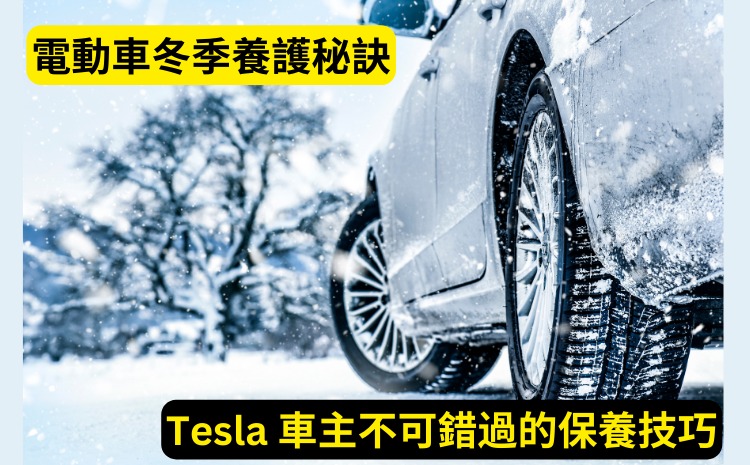
Electric Vehicle Winter Care Tips | Tesla Maintenance Advice Owners Shouldn’t Miss
As winter temperatures drop sharply, they can have a certain impact on the performance and lifespan of electric vehicles. High-end models such as Tesla, in particular, require careful maintenance to ensure driving safety and stable range. This article provides electric vehicle owners with comprehensive winter care tips, from battery maintenance to anti-slip measures, helping you handle winter driving challenges with ease.
Battery Performance and the Impact of Winter Cold
The Impact of Low Temperatures on Battery Capacity
Winter low temperatures have a significant impact on the battery capacity of electric vehicles, and this is one of the issues many Tesla owners are most concerned about in cold weather. Low-temperature environments not only reduce battery performance but also affect driving range, further impacting daily travel and the driving experience. Understanding these effects and taking appropriate measures can help owners more effectively cope with winter driving challenges.
Why does low temperature reduce battery capacity?
Electric vehicles mainly use lithium-ion batteries. In low-temperature conditions, the activity of the electrolyte in these batteries weakens and the movement of lithium ions slows down, making the chemical reactions inside the battery less efficient than usual. This means that in cold weather, the battery cannot fully release its stored energy,This leads to a rapid drop in the displayed charge level and can even cause a significant reduction in driving range.
How Low Temperatures Affect Driving Range
A reduction in battery capacity directly leads to a shorter driving range. Research shows that in environments below 0°C, battery efficiency may drop20%-30%, while in more extreme cold environments, this figure may even approach50%. For owners who rely on electric vehicles for commuting, this may cause considerable inconvenience, especially on long journeys, when more frequent charging is required.
Additional Energy Consumption Pressure
Low temperatures not only affect the efficiency of the battery itself but also increase the energy consumption of electric vehicles. For example, in winter the cabin requires more heating energy, and the heating system usually relies on battery power,which further increases electricity consumption. Therefore, under low-temperature conditions, owners may face a rapid reduction in driving range and need to plan the locations of charging stations in advance to ensure a smooth journey.
How Can the Impact of Low Temperatures on the Battery Be Reduced?
- Preheat the vehicle regularly: Start the vehicle preheating function to keep the battery within its optimal temperature range and improve its chemical reaction efficiency. Tesla owners can operate it remotely via the mobile app, which is convenient and efficient.
- Plan driving modes wisely: Choose energy-saving mode (Chill Mode) to reduce unnecessary power output and help save battery.
- Keep the vehicle connected while charging: When charging in a low-temperature environment, the battery warms up slightly due to the heat generated during charging, which helps improve the battery’s operating efficiency.
Conclusion
The impact of low temperatures on electric vehicle batteries should not be overlooked, but owners can reduce it through some simple and effective measures. From understanding the principles of battery performance to adjusting daily driving habits, these details will help you maintain the best driving experience during the cold season. Whether you commute daily or drive long distances, understanding and preparing in advance to cope with low-temperaturechallenges are key to ensuring safe winter driving.
How to respond to reduced charging efficiency
In low-temperature winter conditions, electric vehicle owners often encounter reduced charging efficiency. This can significantly extend charging times, especially when a battery top-up is urgently needed, causing inconvenience to daily travel plans. Understanding the impact of low temperatures on charging efficiency and the strategies for addressing it is crucial for electric vehicle owners.
Why do low temperatures reduce charging efficiency?
Low-temperature conditions affect the battery charging process in several ways:
- Increased electrolyte viscosity
In cold conditions, the electrolyte inside the battery becomes more viscous, hindering the movement of lithium ions, slowing the battery’s chemical reactions and further affecting the charging rate. - Activation of charging protection mechanisms
Many electric vehicles, including Tesla, have built-in low-temperature charging protection mechanisms to prevent damage to the battery from fast charging in low-temperature conditions. These protection mechanisms automatically limit charging speed, extending charging time. - Lower initial power input efficiency
In extremely low-temperature conditions, the battery must first consume some energy to heat itself to its operating temperature range, resulting in lower efficiency at the beginning of charging.
How to address reduced charging efficiency in low temperatures?
| Measures | Detailed explanation |
| Preheat the vehicle in advance | In cold weather, use the vehicle’s pre-conditioning function before charging to raise the battery’s operating temperature. Tesla owners can start pre-conditioning via the mobile app, bringing the battery to its optimal state. |
| Choose the right charging station | Prioritise charging stations with Supercharger capability; these chargers deliver stable and efficient charging performance even in low temperatures. |
| Keep the vehicle plugged in while charging | Keep the vehicle plugged in when parked to use the heat generated during charging to maintain battery temperature and reduce efficiency losses caused by low temperatures. |
| Avoid letting the charge drop too low before charging | It is recommended to charge when the battery still has 20%-30%, reducing the issue of lengthy charging at low charge levels and improving overall efficiency. |
| Make the most of smart charging schedules | Use the EV’s scheduled charging function (such as Tesla’s scheduled charging) and set it to complete charging a few hours before you drive, thereby reducing the impact of low temperatures on charging efficiency. |
Quick tip: Park the vehicle in a suitable environment
Choosing a covered or indoor car park for charging can effectively reduce the impact of low temperatures on the battery and charging efficiency. In addition, avoiding leaving the vehicle parked outdoors in extremely low temperatures for long periods can further protect battery life.
Conclusion
The impact of low temperatures on EV charging efficiency is unavoidable, but with sensible preparation and usage strategies, owners can effectively reduce inconvenience and improve the charging experience. From pre-conditioning the battery to choosing the right charging station, every small detail can help you keep your EV running efficiently in winter. Master these practical tips, whether for daily commutingor long-distance driving, you can handle the cold challenge with ease.
Further reading:Tesla Braking System Safety Guide | How to Maintain Optimal Brake Performance?
Further reading:Does Tesla Need an Oil Change? Uncovering the Truth About EV Maintenance and a Guide to Key Considerations
The Importance of Battery Warming Equipment
Low winter temperatures have a noticeable impact on EV battery performance, making battery warming equipment a key auxiliary tool for owners. Such equipment not only maintains the battery’s optimal operating temperature but also reduces the decline in driving range, providing stable assurance for daily use.
The role of battery warming equipment
| Function | Details |
| Maintaining the battery’s operating temperature | When an electric vehicle battery falls below a certain temperature, its chemical reactions slow down, reducing charging efficiency and driving range. Warming equipment uses heating or insulation technology to help the battery maintain a stable operating temperature. |
| Reducing charging time | Battery warming equipment can preheat the battery to a suitable temperature, avoiding energy consumption from self-heating during charging and thereby shortening the time required to charge. |
| Extending battery life | Prolonged exposure to extremely low temperatures accelerates battery ageing. Warming equipment can effectively reduce the damage low temperatures cause to battery life and slow down performance degradation. |
Common battery warming equipment
| Equipment type | Function and description |
| Built-in battery heating system | Many premium electric vehicles (such as Tesla) feature built-in battery heating, which automatically regulates battery temperature when the vehicle is started or charged, helping it cope with cold conditions. |
| Vehicle preheating function | Owners can use the mobile app or in-car settings to activate preheating before departure, bringing the battery to its optimal operating state while improving cabin comfort. |
| Battery thermal insulation cover | Made from lightweight insulating material, it covers the outside of the battery to reduce the direct impact of low temperatures, and is suitable for long-term parking or extremely cold weather conditions. |
| External battery warming pad | Designed for models without a built-in warming system, it provides stable heating and effectively protects battery performance when parked, making it particularly suitable for low-temperature environments. |
Practical tips for using battery warming equipment
| Warming strategy | Details |
| Activating the warming system at the right time | When the ambient temperature is expected to fall below freezing, activate the battery warming system in advance to prevent low temperatures from affecting battery performance. |
| Choosing where to park | Where possible, park the vehicle in a covered garage or indoors; used together with battery warming equipment, this can effectively reduce the impact of cold weather on the battery. |
| Combining with smart charging | In cold overnight conditions, charge before departure to use the heat generated during charging to warm the battery, while reducing the energy consumption of warming equipment and improving overall efficiency. |
Conclusion
Battery warming equipment in winter is not only key to maintaining battery performance, but also an important tool for owners looking to enhance their driving experience. By choosing suitable warming equipment and combining it with a sensible method of use, you can effectively extend battery life, reduce the inconvenience caused by low temperatures, and keep your electric vehicle running as normal even in the depths of winter.
Winter Driving Techniques to Improve Range
The Importance of Preconditioning Your Vehicle
Low winter temperatures place greater demands on an electric vehicle’s performance and driving experience, making the preconditioning function an essential tool for owners. It not only reduces battery energy loss, but also lets you enjoy a more comfortable driving experience when you set off.
Benefits of Preconditioning Your Vehicle
- Reducing Battery Drain
Preconditioning warms the battery to its ideal operating temperature, reducing the effect of low temperatures on the chemical reactions inside the battery, thereby improving energy efficiency and slowing the decline in range. - Improving Cabin Comfort
In cold weather, preconditioning warms the cabin in advance, sparing the driver and passengers the discomfort of low temperatures — an effect that is particularly noticeable on early morning journeys. - Protecting Vehicle Components
Preconditioning helps internal components, such as the battery and electronic systems, reach their optimal operating temperature, preventing cold-related damage to vehicle parts.
How to Use Preconditioning Effectively
- Preconditioning via the Mobile App
Modern electric vehicles, such as Tesla, offer a mobile app that can start the preconditioning function remotely. Owners can set it in advance according to their departure time to ensure the vehicle is ready to go. - Preconditioning While Charging
By combining preconditioning with charging, you draw on the power supplied during charging to warm the vehicle rather than excessively draining the stored battery charge, which greatly helps to preserve range. - Using the Smart Scheduling Function
Some vehicles feature a smart preconditioning schedule, allowing owners to preset a preconditioning time based on their daily travel routine, so they can enjoy the convenience without any manual operation.
Points to Note When Preconditioning Your Vehicle
- Avoid Preconditioning for Too Long
Although the preconditioning function is very useful, it is not advisable to run it for long periods, especially when the vehicle is not connected to a charger, to avoid draining the battery excessively. - Choose a Safe Preconditioning Environment
Ensure the vehicle is parked in a well-ventilated area when preheating, to avoid any potential risks arising in an enclosed space. - Check the preconditioning settings
Preconditioning settings vary between models, so owners should read the vehicle owner’s manual carefully and familiarise themselves with the preconditioning operation and the conditions in which it applies.
Summary
Preconditioning the vehicle is not only a simple convenience feature, but also an important technique for driving an EV in winter. By using the preconditioning function correctly, owners can significantly reduce the impact of low temperatures on battery performance, while improving cabin comfort and vehicle durability. Whether for the morning commute or a journey on a cold night, preconditioning will become, within your driving experience,a valuable assistant.
Reduce the use of unnecessary power-draining devices
When driving an EV in winter, some in-car power-draining devices may quietly worsen battery drain and affect range. Understanding these devices and adopting reasonable alternatives can not only save power but also improve driving efficiency.
High-consumption devices and their impact
- Seat heating and steering wheel heating
Although seat and steering wheel heating can improve driving comfort, these features significantly increase power consumption, especially on long journeys. - Headlights and fog lights
When driving at night or in fog, continuous use of high-brightness headlights and fog lights places extra strain on the battery and has some impact on range. - Audio system and large screen
Continuous operation of a high-power audio system and in-car entertainment, especially with the large screen at high brightness, also consumes a considerable amount of power.
Strategies for reducing the use of power-consuming devices
- Prioritise the cabin heating system
Compared with seat heating, the cabin heating system is more energy-efficient and has a wider reach. It is advisable to set the heating to a moderate temperature and avoid very high or very low temperature differences. - Switch off unnecessary lights when appropriate
When driving during the day, switch off headlights and fog lights that are not needed wherever possible. If conditions allow, switch to a low-energy lighting mode to reduce wasted power. - Limit the time spent using entertainment devices
When the vehicle needs to run for an extended period, it is advisable to moderately lower the audio volume and screen brightness, or switch these systems off completely when parked to save power.
Alternatives and energy-saving tips
- Use external charging equipment for preconditioning
Preconditioning the vehicle using an external power source before driving not only conserves the battery’s stored charge but also reduces reliance on the heating system during the journey. - Choose energy-saving mode for driving
Most electric vehicles are equipped with an energy-saving driving mode (Eco Mode), which, when activated, automatically limits the use of high-consumption devices and optimises power distribution. - Monitor the vehicle’s energy usage at all times
The vehicle dashboard or mobile app can show how much power energy-consuming devices are using; owners should check this regularly and make adjustments promptly.
Conclusion
When driving an electric vehicle in winter, reducing the use of unnecessary power-consuming devices is an effective energy-saving strategy. It not only improves range but also extends battery life, giving owners a more efficient and comfortable driving experience. By optimising device use and adopting alternatives, EV owners can easily meet the challenges of winter driving.
Adjust driving modes to save energy
Tesla electric vehicles offer multiple driving modes for different driving needs. By adjusting the driving mode appropriately, energy efficiency can be significantly improved, especially in low-temperature winter conditions, where the choice of driving mode has a particularly important impact on range.
Introduction to Tesla driving modes and their impact
- Standard driving mode (Standard Mode)
Suitable for daily driving, it provides ample power output and a smooth driving feel, but power consumption is relatively high. It is suited to short commutes or situations requiring power performance. - Energy-saving driving mode (Chill Mode)
Designed specifically for energy saving, it reduces acceleration performance and power output, cutting energy consumption. It is very suitable for long-distance winter driving or when range is insufficient. - Sports driving mode (Sport Mode / Plaid Mode)
It provides excellent acceleration performance and driving experience, but energy consumption increases significantly, so it is not recommended to activate it when energy saving is needed. - Off-road driving mode (Off-Road Assist)
Designed for uneven terrain, it improves vehicle stability and grip, but power consumption is higher, so it should only be used in special situations.
Recommendations for using driving modes in winter
- Prioritise energy-saving mode
In winter, energy-saving mode can effectively limit power output and acceleration, reduce battery power consumption, and improve range. It is very suitable for daily commuting and long-distance travel. - Reduce the use of high-performance modes
Although Sport mode and other high-performance modes offer an ultimate driving experience, they have a considerable impact on battery range and should not be used frequently, especially in low-temperature conditions. - Switch modes flexibly to suit your needs
If you need to overtake or leave a location quickly, you can temporarily switch to Standard or Sport mode, then switch back to Energy Saving mode once the manoeuvre is complete, to balance power and range.
Optimal scenarios for Tesla driving modes
- City commuting
In urban areas with heavy traffic, using Energy Saving mode together with Autopilot can effectively reduce energy consumption. - Motorway driving
When stable long-distance driving is required, it is advisable to stay in Energy Saving mode while lowering the heating system temperature to reduce strain on the battery. - Driving in adverse weather
In rain, snow or on rough terrain, activate Off-Road mode as appropriate to improve vehicle stability, but keep the driving distance under control to avoid running low on charge.
Summary
Adjusting the driving mode is one of the important strategies for Tesla owners to improve range in winter. By choosing the appropriate mode based on different needs, owners can find the best balance between power performance and energy efficiency. At the same time, combining other energy-saving tips, such as reducing the use of power-consuming devices and regularly preheating the vehicle, can make winter driving more economicaland efficient, so you can enjoy a worry-free driving life.
Vehicle traction and driving safety
Choosing the right winter tyres
In winter driving conditions, the choice of tyres is crucial to vehicle performance and safety. Especially for electric vehicle owners, such as Tesla models, choosing the right winter tyres not only improves driving stability but also reduces energy consumption, ensuring a more reliable driving experience.
Characteristics of winter tyres
- Specially designed tread patterns
Winter tyres feature deep tread patterns designed specifically for snow and slippery roads, which effectively drain water and provide stronger grip, preventing skidding and fishtailing. - Soft rubber compound
Winter tyres use a special rubber compound that remains flexible even in cold conditions below 7°C, providing stable performance and preventing ordinary tyres from losing grip as their rubber hardens. - Greater friction
The tread features numerous small cuts (known as sipes) that grip snow and ice closely, reducing the risk of skidding and improving vehicle handling.
Advantages of winter tyres
- Improved braking performance
Compared with ordinary tyres, winter tyres can shorten braking distances on snow and ice by 30%-50%, effectively reducing the risk of accidents. - Enhanced driving stability
On icy or slippery roads, winter tyres offer significantly better stability and handling than other types of tyre, especially when cornering or changing lanes. - Longer driving range
Although winter tyres may have slightly higher rolling resistance, their improved grip can help Tesla electric vehicles reduce energy loss and handle adverse weather more efficiently.
Recommendations for choosing winter tyres
- Confirm the tyre size
Check your vehicle manual or Tesla’s officially recommended tyre size to ensure the winter tyres you choose match your model exactly. - Choose certified brands
Prioritise well-known brands with market recognition, such as Michelin, Bridgestone or Pirelli winter tyres, as these brands offer better assurance in terms of quality and performance.
https://www.michelin.com.hk/en/
https://www.bridgestone.com/regional/asia_pacific/
https://www.pirelli.com/tyres/en-ww/car/homepage - Consider all-weather tyres as an alternative
If winter temperatures are relatively mild, you can choose all-weather tyres with winter performance, balancing seasonal needs and cost-effectiveness.
Installation and maintenance tips
- Professional installation
Have a professional technician carry out tyre installation and alignment to ensure the vehicle’s balance and stability. - Check tyre pressure regularly
Low winter temperatures can cause tyre pressure to drop, so tyre pressure should be checked and adjusted to the recommended level every month. - Avoid excessive wear on one side
Regular tyre rotation (such as swapping the front and rear tyres) can even out wear and extend the life of winter tyres.
Conclusion
Choosing the right winter tyres for a Tesla or other electric vehicle not only significantly improves safety on snow and ice, but also ensures driving stability and energy efficiency in adverse weather. Preparing early and choosing high-quality winter tyres allows owners to enjoy a safe, comfortable and worry-free driving experience in the cold season.
Use dedicated anti-slip mats or chains.
On roads covered in ice and snow in winter, vehicle grip drops considerably. For electric vehicles such as Tesla, using dedicated anti-slip mats or anti-slip chains is an effective way to improve driving safety. These devices can effectively prevent skidding, improve vehicle stability and ensure the driver maintains good control in adverse weather.
Functions of anti-slip mats and chains
- Improved grip
Anti-slip mats and chains increase the contact force between the tyres and icy or snowy roads, significantly reducing wheel slippage and enhancing driving stability. - Improved braking efficiency
On roads covered in ice and snow, these devices can shorten braking distances and reduce the risk of traffic accidents. - Adapting to adverse road conditions
Whether on deeply snow-covered sections or icy slopes, anti-slip mats and chains can provide extra support to help the vehicle pass safely.
How to choose the right anti-slip equipment
| Anti-slip equipment type | Key selection points | Detailed description |
| Anti-slip mat | Material | Choose anti-slip mats made from high-strength rubber or wear-resistant plastic, which are lightweight and easy to install. |
| Size | Ensure the anti-slip mat fits the wheel size; if it is too large or too small, it will affect performance. | |
| Purpose | Suitable for temporary use, such as when a vehicle is stuck or for short-distance recovery, to quickly address vehicle slippage. | |
| Anti-slip chains | Material | Steel chains are highly durable and suitable for frequent use; nylon or polyester chains are suitable for temporary use and are easier to install. |
| Compatibility | Choose chains that match the vehicle’s tyre size to avoid installation difficulties or tyre damage caused by a size mismatch. | |
| Design type | Cross-type chains are suitable for icy and snowy roads and provide the best grip; ladder-type chains are suitable for light snow or muddy roads, offering a smoother driving experience. |
Installation and usage tips
- Installing anti-slip mats
- Place the anti-slip mat flat in front of the wheel, ensuring it makes good contact with the ground.
- Start the vehicle and accelerate slowly, allowing the wheel to climb onto the mat gradually, avoiding excessive speed that could cause slipping.
- Installing anti-slip chains
- Lay the chains flat on the ground and slowly drive the wheel into the centre of the chains.
- Secure both ends of the chains to the wheel, ensuring the chains fit tightly and do not come loose.
- Before driving, test at low speed whether the chains are securely installed to prevent them from coming off while driving.
- Precautions
- Only use anti-slip chains on icy or snowy roads; driving on dry surfaces will damage the chains and the tyres.
- Inspect the equipment regularly for signs of wear, and replace it promptly if any wear or damage is found.
- Comply with local traffic regulations, as some areas restrict the use of anti-slip chains.
Advantages of Using Anti-Slip Equipment
- Greater Driving Confidence
In severe weather, anti-slip equipment can significantly reduce the risk of accidents, giving drivers greater peace of mind. - Longer Tyre Life
It prevents the wheels from spinning and slipping on icy and snowy roads, reducing unnecessary wear. - Improved Vehicle Adaptability
It gives electric vehicles such as Tesla greater adaptability, so owners can face the challenges of the cold winter with confidence.
Conclusion
Using dedicated anti-slip mats or chains is an important safeguard for winter driving safety. By choosing, fitting and using this equipment correctly, Tesla owners can effectively improve their vehicle’s stability and grip, confidently meet the various challenges of icy and snowy roads, and enjoy a safe and reliable driving experience.
Effective Measures to Prevent Freezing
In low winter temperatures, windows, door locks and wipers can easily freeze, which not only affects daily use but may also damage the vehicle. Below are some practical tips to help Tesla owners prevent freezing effectively and ensure safe and convenient driving.
Window Anti-Freezing Measures
| Measure Type | Specific Method | Details |
| Preventing Windows from Freezing | Use anti-freeze spray | Spray a dedicated anti-freeze spray evenly over the window surface to form a protective film that effectively prevents frost from adhering to the glass. |
| Cover the windows | After parking, cover the windows with a waterproof window cover to keep snow and ice from coming into direct contact with the glass, which helps keep the windows clean. | |
| Avoid parking in the open | Where possible, park the vehicle in a garage or a sheltered place to reduce the time it spends exposed to snow, ice and low temperatures. | |
| Dealing with Frozen Windows | Use a de-icer | Spray window de-icer onto the frozen area; after waiting a few seconds, the frost can be removed easily without laborious scraping. |
| Defrost using internal heating | Turn on the cabin heating and switch on defrost mode to melt the ice with rising interior temperatures, safely and efficiently restoring the clarity of the windows. |
Tips to Prevent Door Locks from Freezing
| Measure Type | Specific Method | Details |
| Preventing Door Locks from Freezing | Apply lubricating oil | Before cold weather arrives, spray a small amount of lubricant inside the door lock to form a protective layer, preventing moisture from entering the lock cylinder and freezing. |
| Use a rubber seal conditioner | Regularly apply conditioner to the door rubber seals to prevent them from freezing or sticking to the doors in low temperatures, ensuring the doors open and close smoothly. | |
| Dealing with frozen door locks | Use lock de-icer | When the door lock is frozen, spray de-icer directly into the lock cylinder to quickly dissolve the ice and restore the lock’s function. |
| Thawing with warm water | Pour warm water into a plastic bag and gently press it against the frozen lock cylinder, using the heat to melt the ice inside. Avoid pouring water directly, as this can worsen the freezing or damage the lock cylinder. |
Wiper anti-freeze tips
| Type of measure | Specific method | Detailed description |
| Prevent wipers from freezing | Lift the wipers | After parking, lift the wipers to prevent them from sticking to the windscreen and to avoid ice affecting their use. |
| Use anti-freeze screenwash | Choose a screenwash with an anti-freeze formula, which maintains cleaning performance without freezing at low temperatures and effectively extends wiper life. | |
| Fit wiper protective covers | After parking, fit anti-freeze protective covers over the wipers to keep snow and ice from direct contact, reducing the likelihood of freezing. | |
| Dealing with frozen wipers | Use after thawing frost | Activate the in-car defrost function and wait for the ice on the windscreen to melt before switching on the wipers, avoiding ice interfering with wiper operation and causing damage. |
| Clean with warm water | Gently pour warm water (no higher than 40°C) over the wipers to help thaw them, but avoid using excessively hot water to prevent damage to the wipers or glass. |
Overall recommendations
- Prepare in advance
Before cold weather arrives, check the vehicle’s rubber seals, door locks and wipers, and replace worn parts if necessary. - Choose suitable products
- Specialist products such as anti-freeze spray, screenwash and de-icer are essentials for winter vehicle maintenance and should be prepared in advance.
- Use Tesla officially recommended anti-freeze accessories to ensure compatibility and effectiveness.
- Make good use of in-car functions
Tesla vehicles’ built-in preheating function and window defrost mode can effectively address freezing issues. They can be started remotely via the mobile app, offering convenience and efficiency.
Conclusion
Preventing windows, door locks and wipers from freezing is an important part of winter driving preparation. By taking the right preventive and remedial measures, Tesla owners can effectively meet the challenges of low temperatures, keep vehicle performance stable and enjoy a worry-free winter driving experience.
Maintaining the Vehicle’s Exterior and Interior Health
How to Prevent Paintwork Damage
During winter driving, paintwork is easily damaged by road salt and gravel, which not only affects the vehicle’s appearance but may also lead to corrosion and more serious damage. The following practical methods for Tesla owners can effectively protect the paintwork and keep the vehicle looking as good as new.
How Road Salt Affects Paintwork
- Corrosion Problems
Although spreading salt on roads can melt snow and ice, it also combines with moisture to form a corrosive solution. If it remains on the paintwork for a long time without being washed off, it can cause oxidation and corrosion. - Cumulative Damage
If the paintwork already has small scratches or damage, salt can penetrate more easily and accelerate corrosion of the underlying metal.
How Gravel Affects Paintwork
- Scratches and Dents
In winter, roads often have gravel particles due to salt spreading and ice formation. When driving at high speed, these stones can easily be thrown up by the tyres, causing scratches or small dents on the bodywork. - Affecting Visual Appearance
Repeated gravel impacts can make the body surface uneven and cause the vehicle to lose its glossy appearance.
How to Effectively Protect Paintwork
- Washing and Maintaining Paintwork
- Wash the Vehicle Regularly
In winter, the vehicle should be washed at least once a week, especially the underbody and wheel arches, as these areas are most prone to salt and dirt build-up. A car shampoo with an anti-corrosion formula works even better. - Use a Pressure Washer
When washing the vehicle, use a pressure washer to rinse thoroughly, ensuring that salt and gravel residue are completely removed. - Paint Sealant or Waxing
Before winter, wax the vehicle or apply a paint protection film to create an additional protective layer that prevents salt and gravel from coming into direct contact with the paintwork.
- Fitting Protective Accessories
- Front-End Protection Film
Fit a transparent protective film to the front end and front bumper to reduce damage from gravel impacts. - Mud Flaps and Side Skirt Protectors
Fit mud flaps around the wheels to reduce gravel and mud impacts on the paintwork. - Paint Protection Cover
When parking for extended periods, use a paint protection cover to cover the vehicle and prevent salt and gravel from accumulating.
- Avoid Parking in High-Risk Environments
- Choose a Sheltered Parking Location
Where possible, park your vehicle in a garage or sheltered area to reduce exposure to salt and flying stones. - Pay attention to parking location
Avoid the edges of the road, as these areas tend to have the most salt and gravel.
Regular inspections and maintenance
- Check paintwork integrity
After each wash, check the paintwork for new scratches or damage, and address any issues immediately. - Repair minor damage
For minor scratches, use a touch-up paint pen or paint restorer to repair them and prevent corrosion from spreading further. - Seek professional repair
If the paintwork is severely damaged, it is advisable to seek a professional Tesla repair centre to ensure the vehicle is restored to its best condition.
Summary
Although salt and stone chips on winter roads are difficult to avoid, Tesla owners can effectively reduce the risk of paint damage by taking appropriate protective measures. With regular washing, protective accessories, and prompt repairs, your car will not only keep its good looks but also enjoy a longer service life.
Checking and Maintaining the Cabin Heating System
In winter driving, the cabin heating system is key to a comfortable journey. However, if the heating system does not run well, it can not only affect the driving experience but also accelerate battery consumption. Below is a practical guide to checking and maintaining the cabin heating system, helping Tesla owners drive safely and comfortably in cold weather.
How the Cabin Heating System Works
- Heating methods in electric vehicles
Unlike internal combustion engine vehicles that rely on waste engine heat for warmth, electric vehicles such as Tesla use electric heaters or heat pump systems to raise the temperature. These systems provide heating by converting battery energy into heat. - Impact of heating on battery range
The heating system consumes a significant amount of power when running, especially in low-temperature conditions, and can significantly reduce range.
Steps for checking the cabin heating system
- Preheating function test
- Confirm the preheating function is working properly
Use the Tesla app to activate preheating mode and observe whether the cabin quickly reaches the set temperature. - Check the responsiveness of the temperature control
Set the temperature control dial to high and ensure the heating system can provide warm air quickly.
- Checking air volume and airflow
- Check that the air vents are clear
Ensure the air vents are not blocked by foreign objects or dust, which can affect heat distribution. - Check for Even Airflow
After switching on the heating, use your hand to feel the airflow from the different vents and make sure it is distributed evenly.
- Air Filter Inspection
- Check Whether the Filter Is Blocked
If dust accumulates in the Tesla air filter, it may affect heating performance. Regular filter replacement is recommended.
Maintenance Tips for the Cabin Heating System
- Clean the Air Vents and Filter Regularly
- Remove Dust and Debris
Use a soft-bristled brush to clean the air vents to prevent dust blockages. Every 6 to 12 months, check and replace the filter. - Prevent Odours
If the heating system has an odour, use a dedicated cleaning product or seek professional repair services.
- Set Temperature and Fan Speed Sensibly
- Avoid Extreme Temperature Settings
Set the temperature appropriately between 20°C and 22°C, which provides a comfortable environment while reducing power consumption. - Use Automatic Mode
Use Tesla’s automatic climate control to adjust fan speed and temperature automatically, improving efficiency.
- Check the Heat Pump System Regularly
- Check Coolant Levels
The heat pump system needs sufficient coolant to operate. Check the coolant level regularly to ensure the system runs properly. - Seek Professional Maintenance
Have a professional inspection once a year, especially before winter arrives, to prevent potential problems.
Energy-Saving Tips for Using the Heating System
- Preheat the Cabin in Advance
Activate preheating while charging to avoid the extra battery consumption caused by heating while driving. - Combine With Seat Heating
Seat heating uses less power than heating the whole cabin. Turn on seat heating first to reduce reliance on the main heating system. - Close Unnecessary Air Vents
Focus the heating on the driver and front passenger seats to reduce heating consumption in the rear seats.
Conclusion
Inspecting and maintaining the cabin heating system in winter not only improves driving comfort but also reduces excessive battery consumption. By regularly maintaining the heating equipment and setting the temperature and fan speed sensibly, Tesla owners can enjoy a safe, comfortable and efficient driving experience during the cold season.
How to Maintain Cabin Air Quality
When driving in winter, keeping the cabin air fresh not only enhances passenger comfort but also improves health. Tesla vehicles are equipped with advanced air filtration systems, but owners also need to take additional measures to ensure cabin air quality reaches an optimal level. Below are practical recommendations and tips to help you keep the cabin air fresh during the cold season.
The importance of air filtration devices
- Advantages of Tesla’s air filtration system
Tesla models such as Model S and Model X are equipped with HEPA filters, which can effectively filter 5 particles and bacteria, making them suitable for urban environments and winter use. - The role of HEPA filters
HEPA filters can capture dust, pollen and smog particles in the air, making them particularly suitable for passengers with respiratory conditions or sensitivity to air quality. - Recommendations for using air filtration devices
Even if your vehicle does not have a built-in HEPA filter, you may consider purchasing a portable car air purifier and placing it in the cabin to improve air quality.
The necessity of regular cabin air cleaning
- Regular cabin cleaning
- Removing dust and dirt from the cabin
Use a vacuum cleaner and a slightly damp cloth to wipe the seats, carpets and dashboard to prevent dust accumulation. - Clearing debris from air conditioning vents
Regularly check whether the air conditioning vents are blocked by dust or foreign objects to keep the airflow unobstructed.
- Replacing the air filter
- Filter inspection frequency
Tesla recommends that every 2 to 30,000 kilometres you replace the air filter once; if you frequently drive in areas with severe air pollution, consider shortening the replacement interval. - Steps for replacing the filter
Remove the old filter and install a new one according to your model’s guide, or visit a professional repair centre to have it replaced.
- Regular disinfection and deodorising
- Using cabin air fresheners
Choose air fresheners with natural ingredients or bamboo charcoal bags to absorb odours and moisture. - Professional interior disinfection
Carry out a thorough disinfection of the cabin at least once a year, especially during flu season or after carrying multiple passengers.
Tips for improving cabin air quality in winter
- Using recirculation mode sensibly
- When should you use recirculation?
When outdoor air pollution is severe or the temperature is extremely low, recirculation mode prevents polluted air from entering the cabin while reducing heating consumption. - Avoid prolonged recirculation
Prolonged use of recirculation may reduce oxygen inside the cabin; it is advisable to switch modes every 10- Switch to fresh air circulation for 15 minutes.
- Prevent mist build-up
- Activate demist mode
Use Tesla’s automatic demisting function to keep the windows clear and avoid the increased driving risk caused by mist. - Reduce moisture sources
Place a desiccant in the car to prevent snow or moisture being brought in on shoes, reducing mist formation.
- Use the heating function for air circulation
- Using the preheating function
Activate preheating mode before driving to promote air circulation in the cabin and remove possible odours and moisture.
Conclusion
Maintaining cabin air quality is essential for health and comfort when driving in winter. By regularly replacing the air filter, cleaning the cabin environment and using the recirculation and fresh air functions sensibly, Tesla owners can enjoy fresh, clean cabin air during the cold season, bringing a pleasant experience to every journey.
Practical Tesla-exclusive winter features
Remote operation and scheduled charging
Tesla’s mobile app is an important tool for owners to manage and operate their vehicle, especially in winter. Through the app’s remote operation and scheduled charging functions, owners can use battery power more efficiently, reduce energy waste and enhance the driving experience. The following sections explain in detail how to use these functions and their benefits.
Convenience of remote operation
- Activate the preheating function
- Preheat the cabin and battery in advance
Using the Tesla app, owners can remotely activate preheating before driving, bringing the cabin to a comfortable temperature while heating the battery to improve charging efficiency and range performance. - Reduce battery strain
Preheating the battery before driving in winter helps reduce battery wear during cold starts.
- Remote unlocking and starting
- Vehicle unlocking
If the owner is carrying items in cold weather, there is no need to take out the car key—just use the mobile app to unlock the doors remotely. - Remote start
No matter where they are, owners can start the vehicle remotely, ensuring it is available immediately when needed.
- Real-time vehicle status checks
- Battery level monitoring
The app displays the remaining charge in real time, helping owners plan charging times and routes in advance. - Environment monitoring
Owners can check the cabin temperature at any time and activate the heating or air conditioning as needed.
Advantages of scheduled charging
- Save on electricity costs
- Take advantage of off-peak electricity rates
The Tesla app supports setting a charging start time, allowing owners to charge during off-peak hours (such as midnight) and save on electricity costs.
- Protecting battery life
- Avoid overcharging
Owners can set a charging limit via the app (such as 80%) to avoid shortening battery life through overcharging. - Planning charging times precisely
Scheduled charging ensures the vehicle is charged to the required level by the planned departure time, reducing the damage to the battery caused by remaining in a high state of charge for long periods.
- Flexible charging arrangements
- Adapting to the owner’s schedule
Owners can flexibly adjust charging times according to their daily plans, ensuring the vehicle is always in its optimal range condition.
How to use efficiently The Tesla mobile app
- Setting a charging schedule
- In the app, select ‘Charging Options’ and set the required charging period and charging limit.
- Ensure that once the vehicle is connected to a charging point, the system automatically carries out the scheduled charging plan.
- Preheating in sync with charging
- In low winter temperatures, owners can start charging while activating preheating, using energy from the grid to maintain battery temperature rather than drawing on the vehicle’s stored charge.
- Receiving notifications and reminders
- Enable app notifications to receive real-time charging completion alerts and battery status updates, avoiding forgetting to unplug the charging point or occupying a charging space for too long.
Summary
Tesla’s remote operation and scheduled charging features offer owners great convenience and energy savings when driving in winter. By managing the vehicle’s charge and temperature flexibly, owners can not only reduce energy waste in winter driving but also improve battery life and driving comfort. Making sensible use of these features will make every journey more efficient and enjoyable.
How to set up automatic vehicle preheating
In the cold winter months, Tesla’s automatic preheating feature offers owners unrivalled convenience, enhancing driving comfort while protecting the vehicle’s battery and reducing the impact of low temperatures on battery performance. Below, we explain in detail how to set up automatic vehicle preheating, so you can enjoy a warm and comfortable driving experience every time you set off.
Benefits of automatic preheating
- Improving driving comfort
The preheating feature can adjust the cabin temperature to a comfortable level in advance, preventing cold weather from affecting the travel experience. - Protecting the vehicle battery
The preheating function warms the vehicle battery, reducing the harm that low temperatures can do to battery performance and range. - Saves Time and Effort
Automatic preheating gets the vehicle ready without any manual operation, saving time on preparation before departure.
How to Set Up Automatic Preheating
- Using the Tesla Mobile App
- Download and log in to the app
Make sure the official Tesla app is installed on your phone, and sign in with your Tesla account. - Start the preheating function
Open the app, select the “Climate” function on the vehicle interface, set the target temperature and tap “Start Preheating”. - Set up a schedule automation
In the app, go to “Settings” and select “Departure Schedule” to start preheating automatically based on your departure time.
- Setting Up on the In-Car Screen
- Go to the controls interface
On the main in-car screen, tap “Controls” > “Climate”. - Set a scheduled preheat
In the climate options, set the target temperature and choose your departure time; the vehicle will then start preheating automatically at the specified time. - Check battery preheating
If you expect to drive a long distance, you can enable “Battery Heating” in the same interface to ensure the battery runs at its optimal temperature.
Tips for Setting Up Automatic Preheating
- Choose a suitable preheating time
Cold winter temperatures can affect how long preheating takes, so it is generally recommended to start preheating 15 to30 minutes before departure. - Preheat at the same time as charging
Charge the vehicle while preheating, so that the energy used to preheat comes from the grid rather than draining the battery. - Make use of off-peak electricity rates
If you need to preheat for a long period, it is advisable to do so during off-peak hours to save on energy costs.
Common Issues and Solutions
- Not enough preheating time
If the vehicle does not reach the expected temperature within the set time, start preheating slightly earlier, or check that the climate control settings are correct. - Preheating does not start
Make sure the mobile app remains connected to the vehicle, and check the vehicle’s Wi-Fi or mobile network signal. - The in-car screen is unresponsive
The vehicle needs to be switched on, so make sure the doors are unlocked and confirm that the system shows no other error messages.
Summary
Setting up Tesla’s automatic preconditioning is a key part of improving the winter driving experience. Through simple app operations or in-car screen settings, you can easily achieve automatic preconditioning of the vehicle, ensuring every journey is warm and comfortable. At the same time, using this function correctly can also effectively protect battery performance and extend the vehicle’s service life.
Making the most of Tesla’s navigation system to avoid snowy and windy weather
In winter, snowy and windy weather poses challenges to driving safety and range. Tesla’s advanced navigation system not only provides real-time traffic updates but also helps owners plan the safest and most efficient routes, avoiding adverse weather and ensuring journey safety. Below is a detailed guide to making full use of Tesla’s navigation system.
Core functions of the Tesla navigation system
- Real-time traffic updates
The Tesla navigation system automatically updates routes based on current traffic and weather conditions, helping you avoid traffic congestion and adverse weather. - Supercharger station alerts
The system plans charging stations based on your driving distance, ensuring the vehicle maintains sufficient charge in cold weather. - Integration of navigation and safety functions
The system connects seamlessly with the vehicle’s self-driving functions (such as Autopilot), providing a more stable driving experience in snowy and windy weather.
How to make the most of the navigation system to avoid snowy and windy weather
- Enable weather alerts
- View routes affected by weather
Enable the ‘weather condition impact’ function in the navigation settings, and the system will automatically mark sections that may have icy or snowy roads or snowy and windy weather. - Select an alternative route
When a route includes areas of adverse weather, the navigation system will suggest alternative routes to ensure safety.
- Plan charging and stops
- Smart charging station planning
The system suggests Supercharger stations to stop at along the way based on battery level and weather conditions, preventing the battery from running out in low temperatures. - Take appropriate rest and carry out checks
At the suggested stop locations, check the vehicle, such as clearing snow and frost or ensuring tyre grip.
- Set navigation preferences in advance
- Avoid small roads and high-wind areas
In the navigation preferences, select ‘avoid small roads’ or ‘prioritise main roads’ to reduce the risk of driving on unfamiliar sections in snowy and windy weather. - Set trip notifications
Turn on the ‘trip notifications’ function in the mobile app to receive current traffic and weather alerts, and adjust your plans at any time.
Practical Tips: Improving Winter Navigation Efficiency
- Plan Long Journeys in Advance
Use the Tesla mobile app or the in-car touchscreen to set multiple destinations in advance, and the system will automatically adjust the optimal route and charging plan. - Avoid Driving at Night
It gets dark earlier in winter, and visibility is further limited in snowy and windy weather, so the navigation system can help you choose the best time to travel during daylight. - Heed Vehicle Range Alerts
The system will remind you of the battery’s expected range and, based on how low temperatures affect battery efficiency, help you allocate driving and charging time sensibly.
Summary
Tesla’s navigation system is an important tool for owners driving in winter. By making full use of weather alerts, real-time traffic updates and smart charging planning, owners can effectively avoid the troubles caused by snowy and windy weather and ensure driving safety. At the same time, familiarising yourself with the navigation system’s functions in advance and adjusting the settings to suit your individual needs can further enhance your driving experience, making yourwinter journeys more reassuring and comfortable.